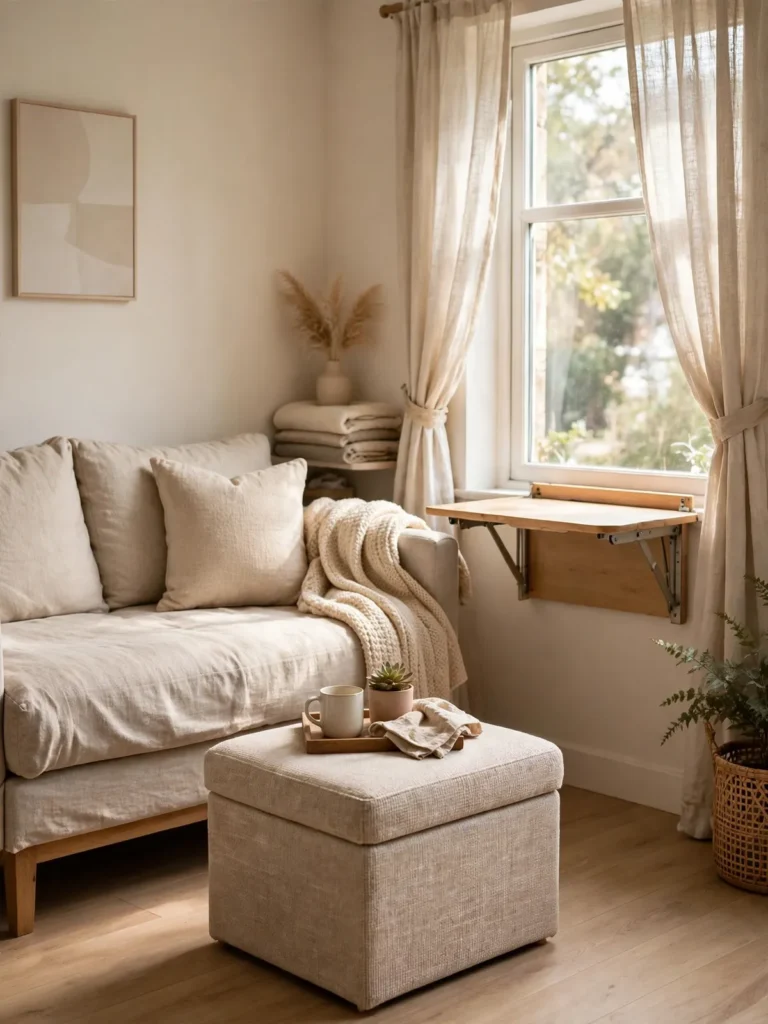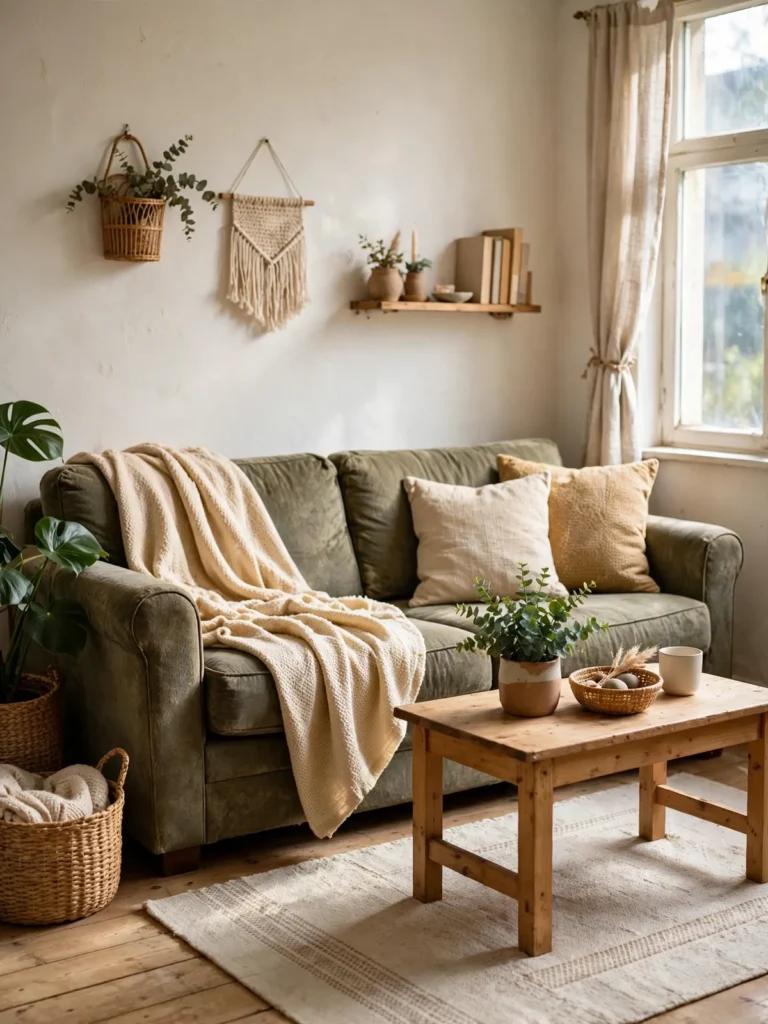
How to Create Storage Without Making a Room Feel Crowded
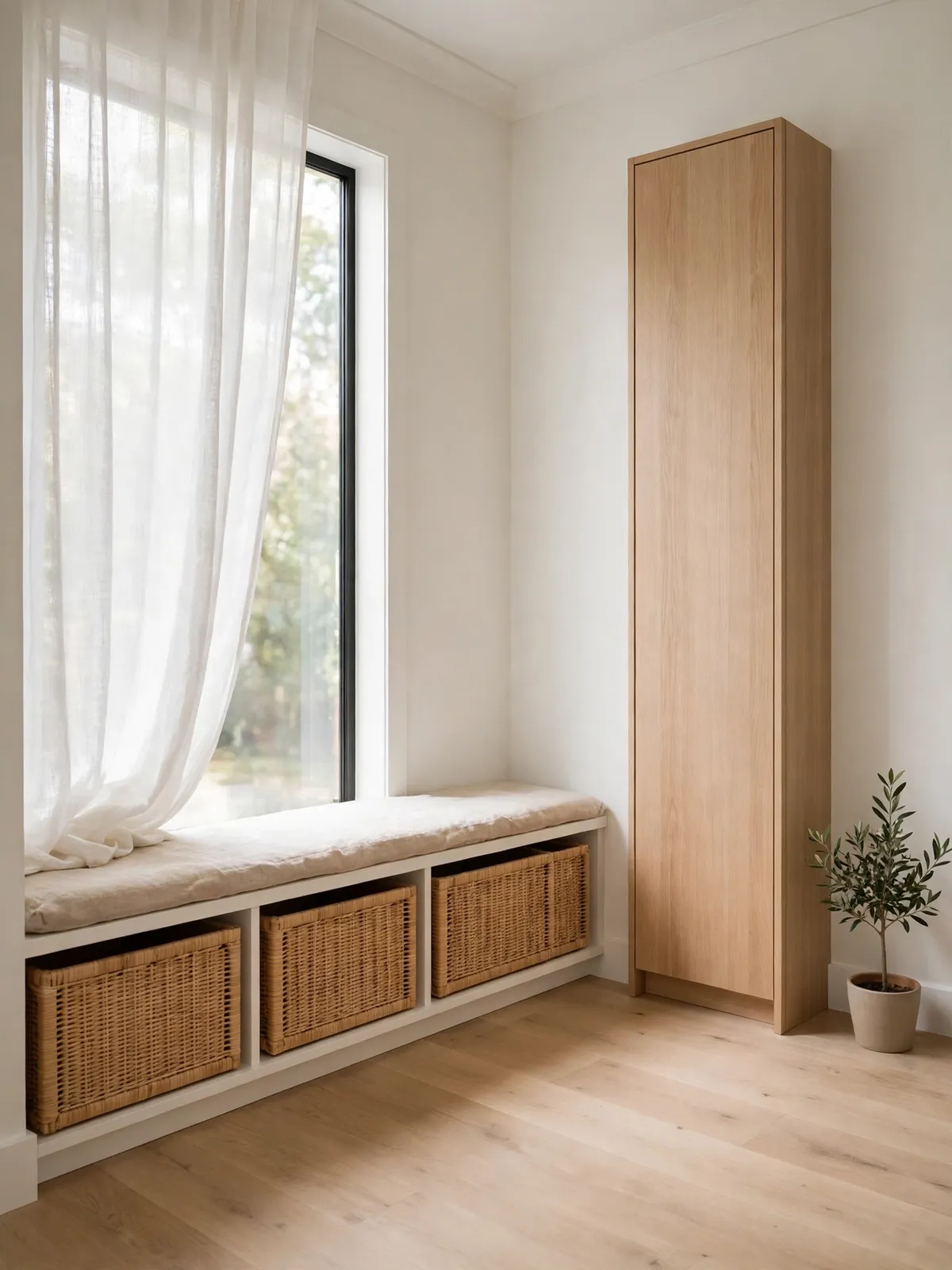
A small room can hold plenty of stuff and still feel open. The trick is not to add more furniture — it is to use the space you already have in smarter ways. A few hidden spots, the right kind of furniture, and a little editing can give you room for everything without the walls closing in.
The mistake most people make is buying a big storage unit first and then trying to fit their life around it. Start the other way around. Figure out what you actually need to store, find the quiet corners that are going unused, and pick storage that blends in instead of standing out.
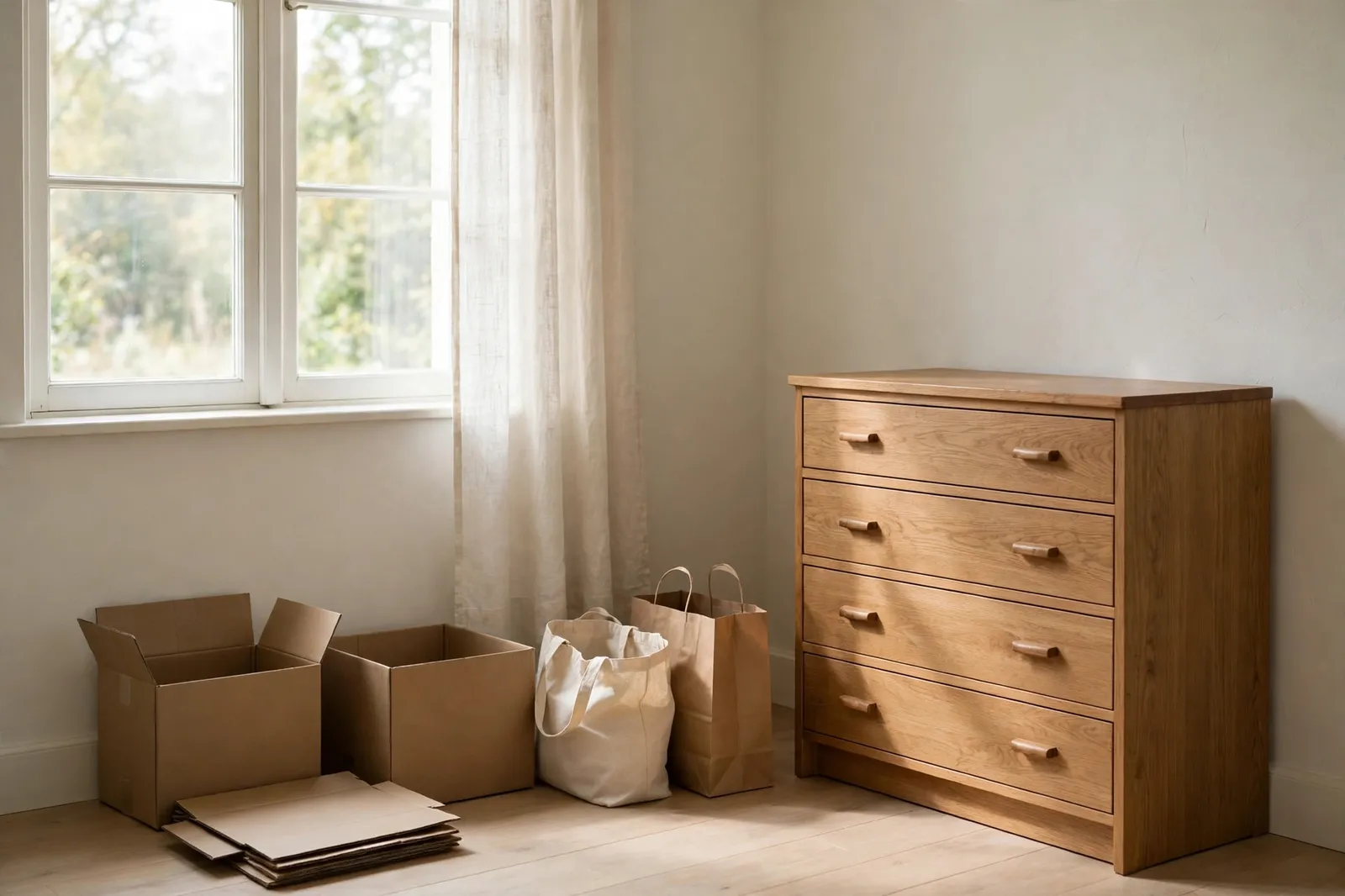
1. Start by Clearing What You Don’t Need
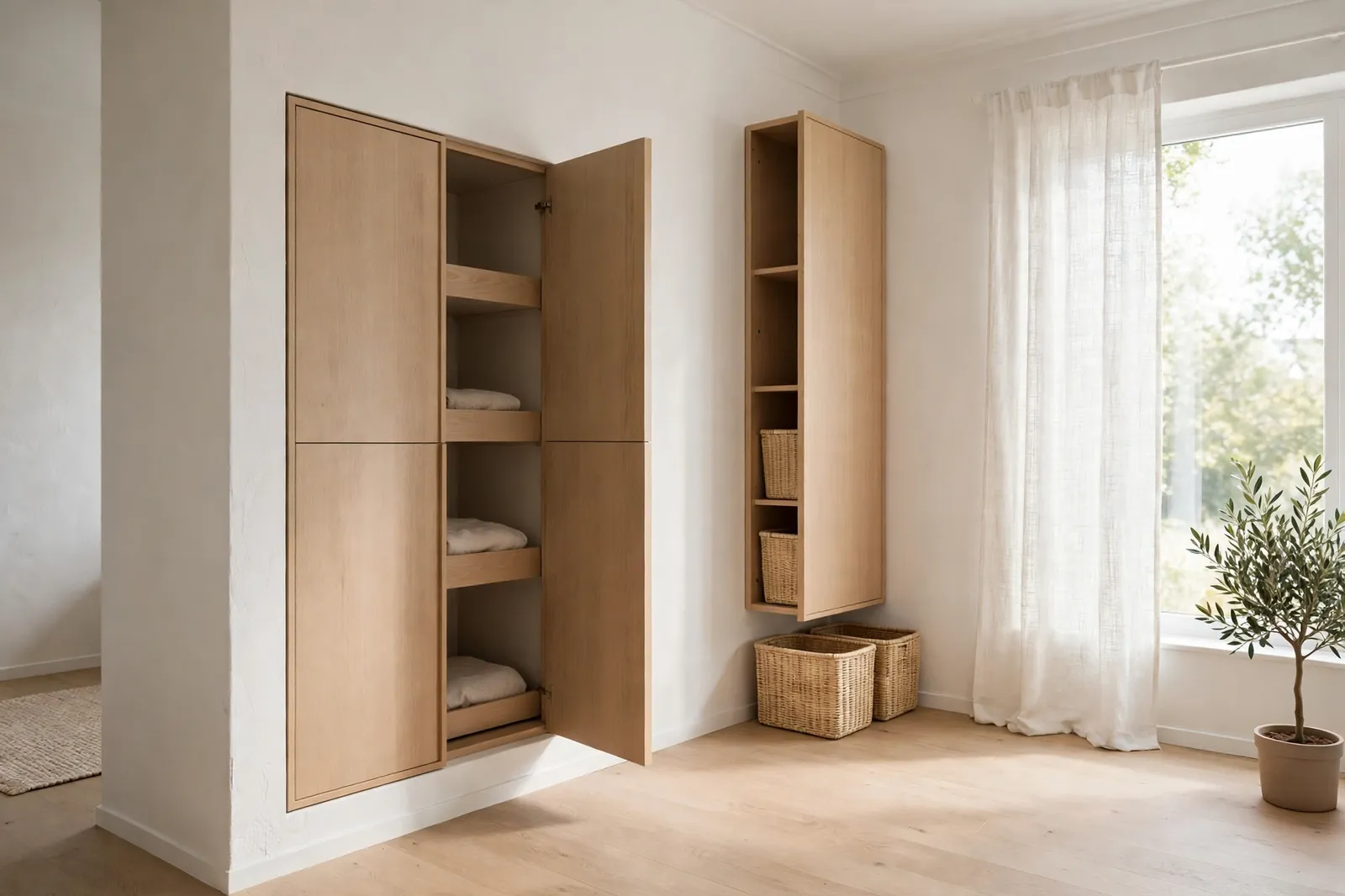
Before you add any storage, take a good look at what is already in the room. Most crowded rooms are not short on storage — they are full of things nobody uses anymore. Old magazines, clothes that do not fit, cables for gadgets you no longer own. Clear those out first and you might find you need less storage than you thought.
Go through the room one small area at a time so it does not feel like a huge job. A drawer, a shelf, one corner of the closet. Keep what you use, put the good extras aside to give away, and let the rest go. Every item you remove is one less thing that needs a home.
2. Use the Walls, Not the Floor
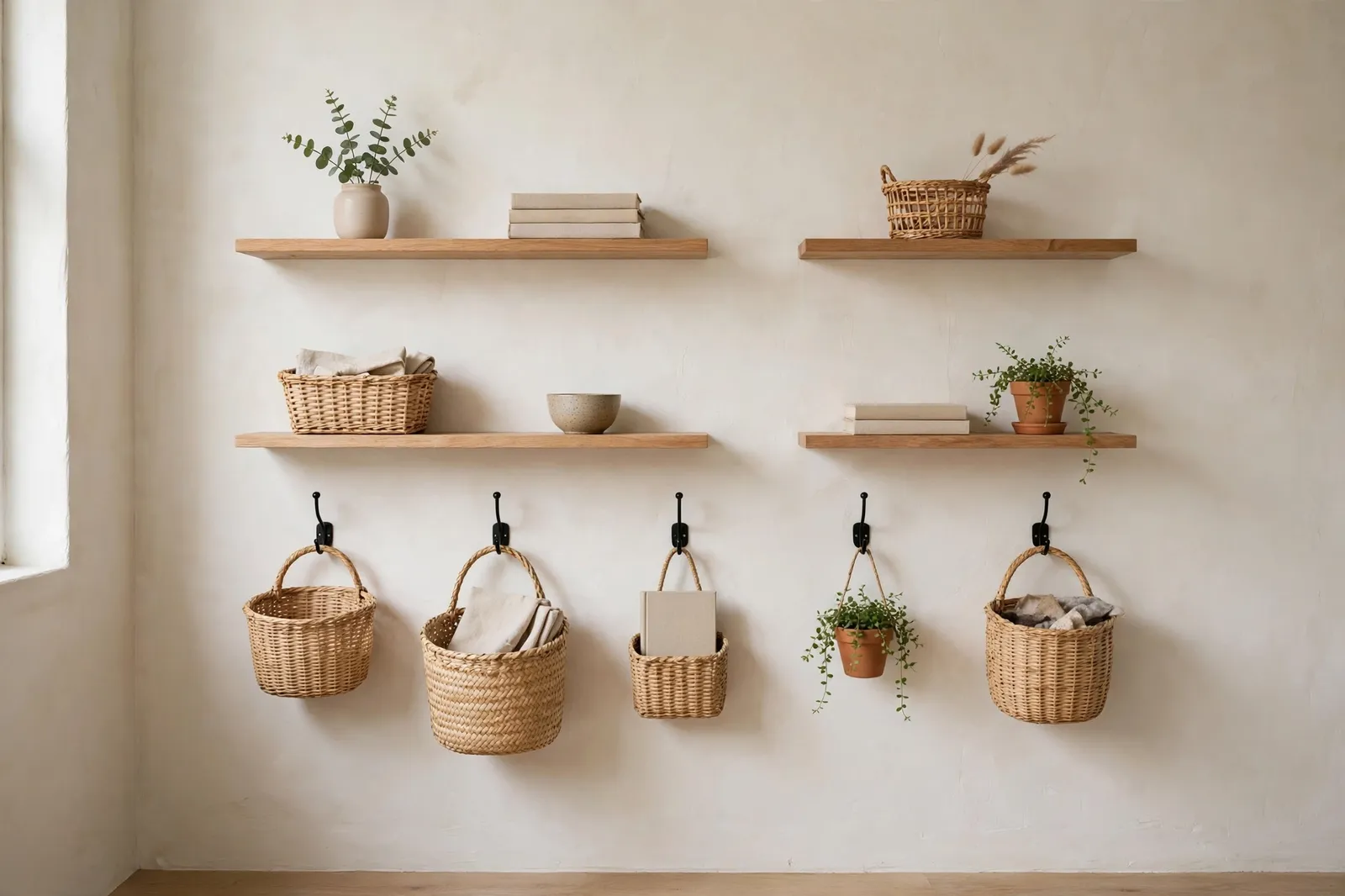
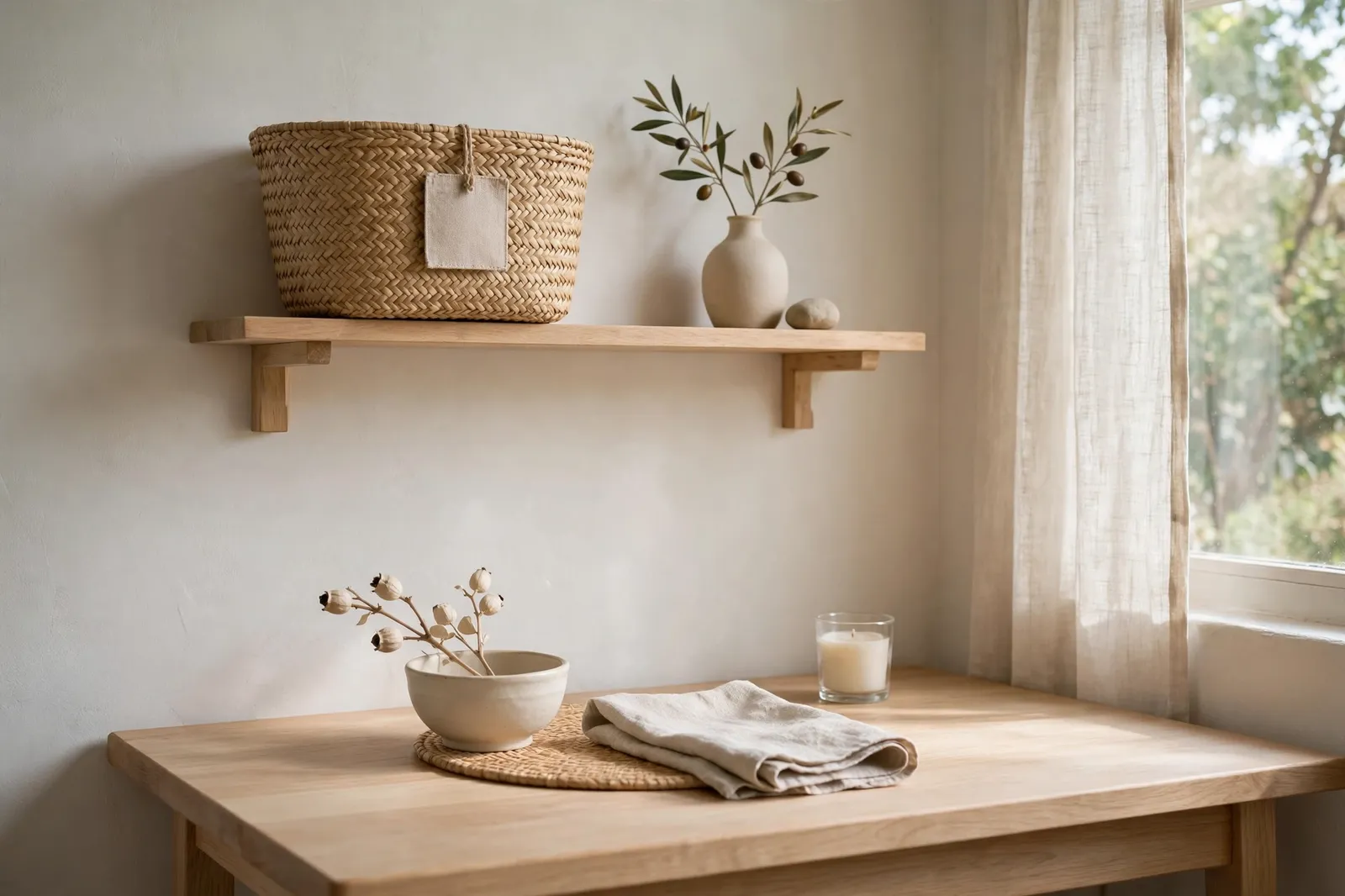
Floor space is the scarcest thing in a small room, so keep it as clear as you can. The walls, on the other hand, are mostly empty. A couple of floating shelves, a row of hooks behind the door, or a slim rail in the kitchen can hold a surprising amount without taking up a single inch of floor.
The key is to keep wall storage shallow and simple. A shelf that is six inches deep holds books and baskets just fine, and it does not stick out into the room the way a deep cabinet does. Leave a little empty space on each shelf so it looks calm instead of packed, and the room will still feel open.
3. Pick Slim Furniture That Fits the Room
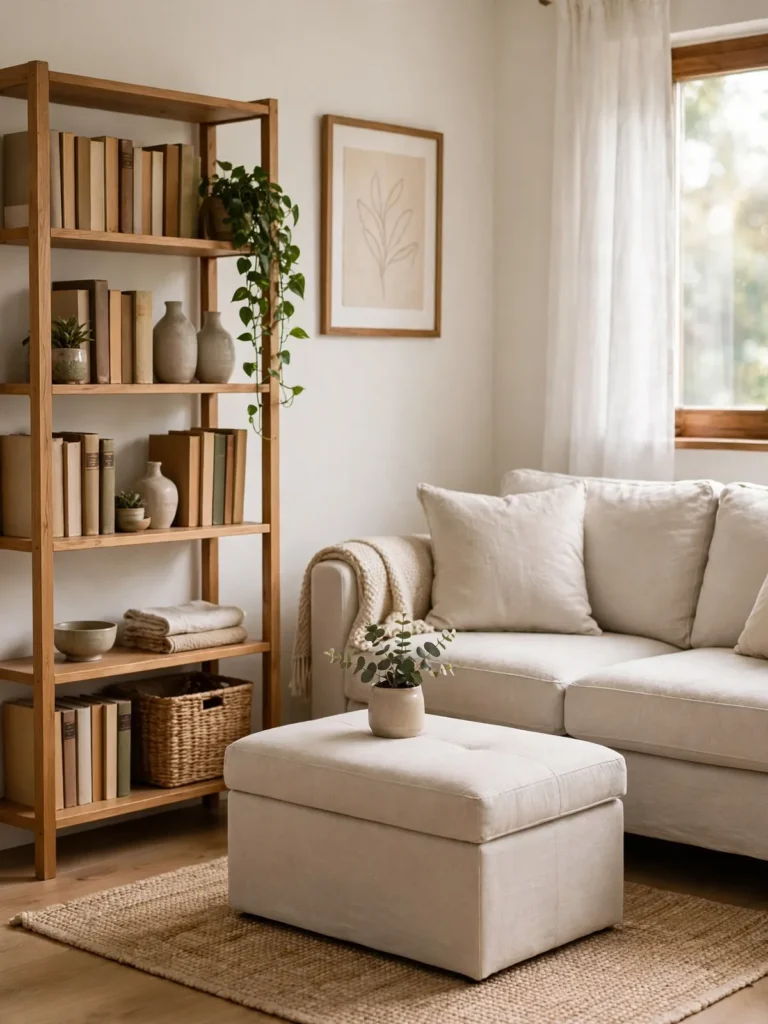
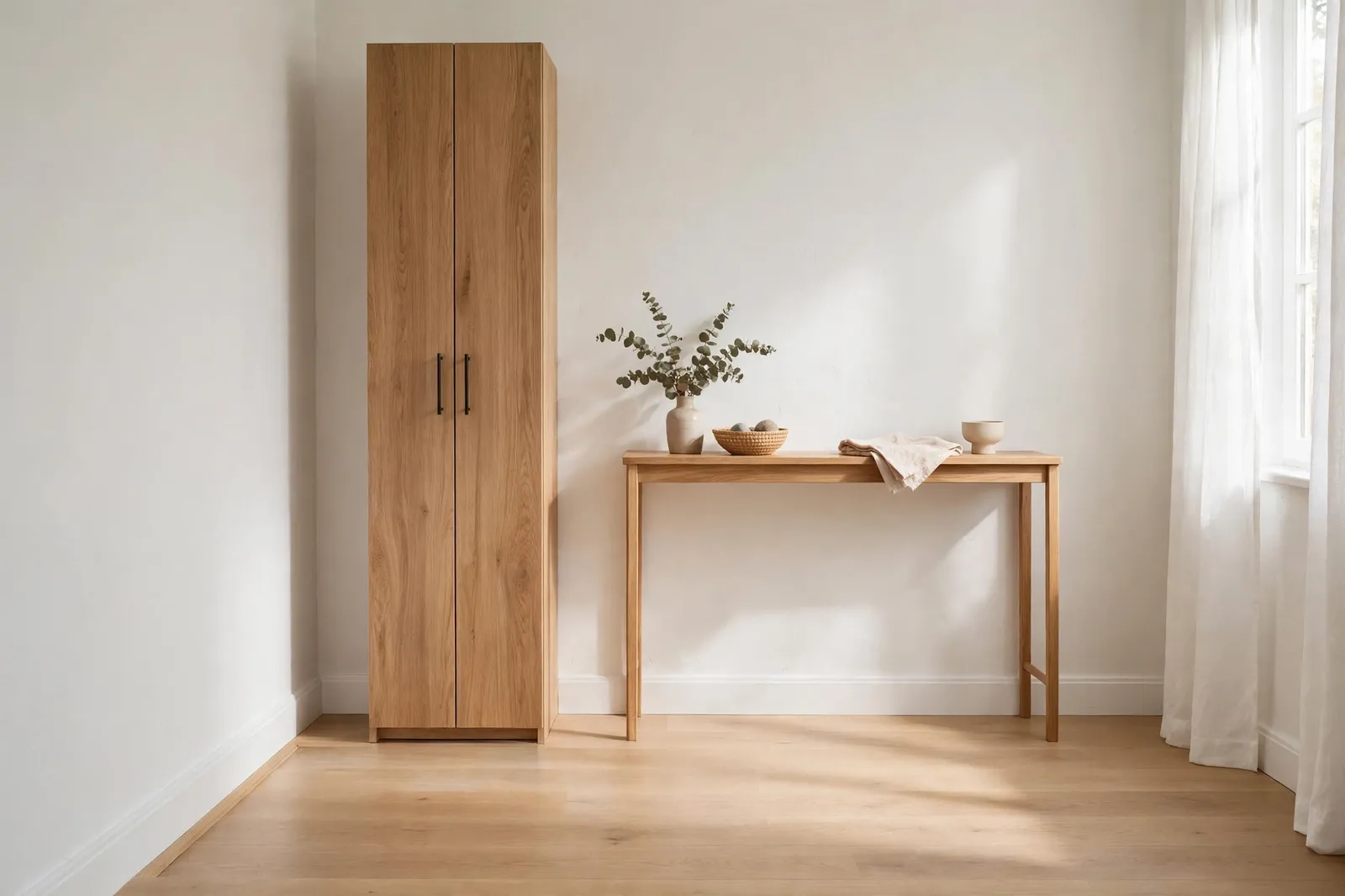
Big, deep furniture eats up a small room fast. A shallow console, a narrow bookshelf, or a slim dresser can hold just as much of what you use every day, and it leaves the walkways clear. Measure the space first, then shop for pieces that fit it — not the other way around.
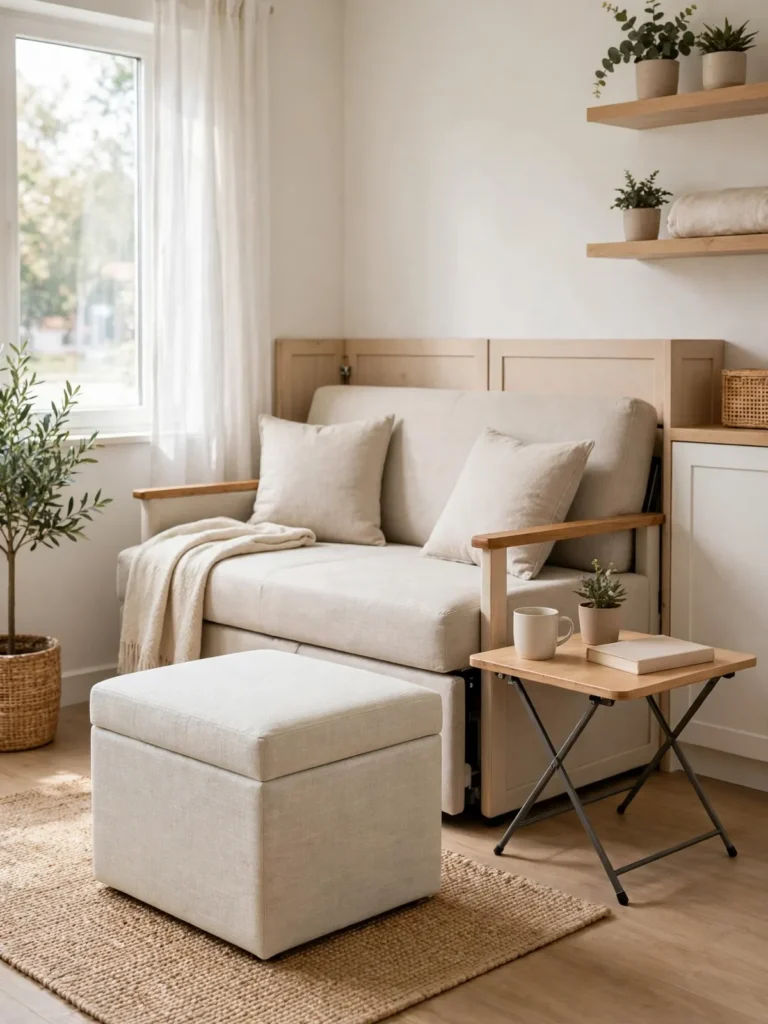
Look for furniture that sits close to the wall and does not stick out into the room. A tall, narrow cabinet uses the height of the room instead of the floor, and a bench with a lift-up seat gives you a place to sit and a place to store. When furniture fits the room, the room feels bigger.
4. Hide Storage Behind Closed Doors
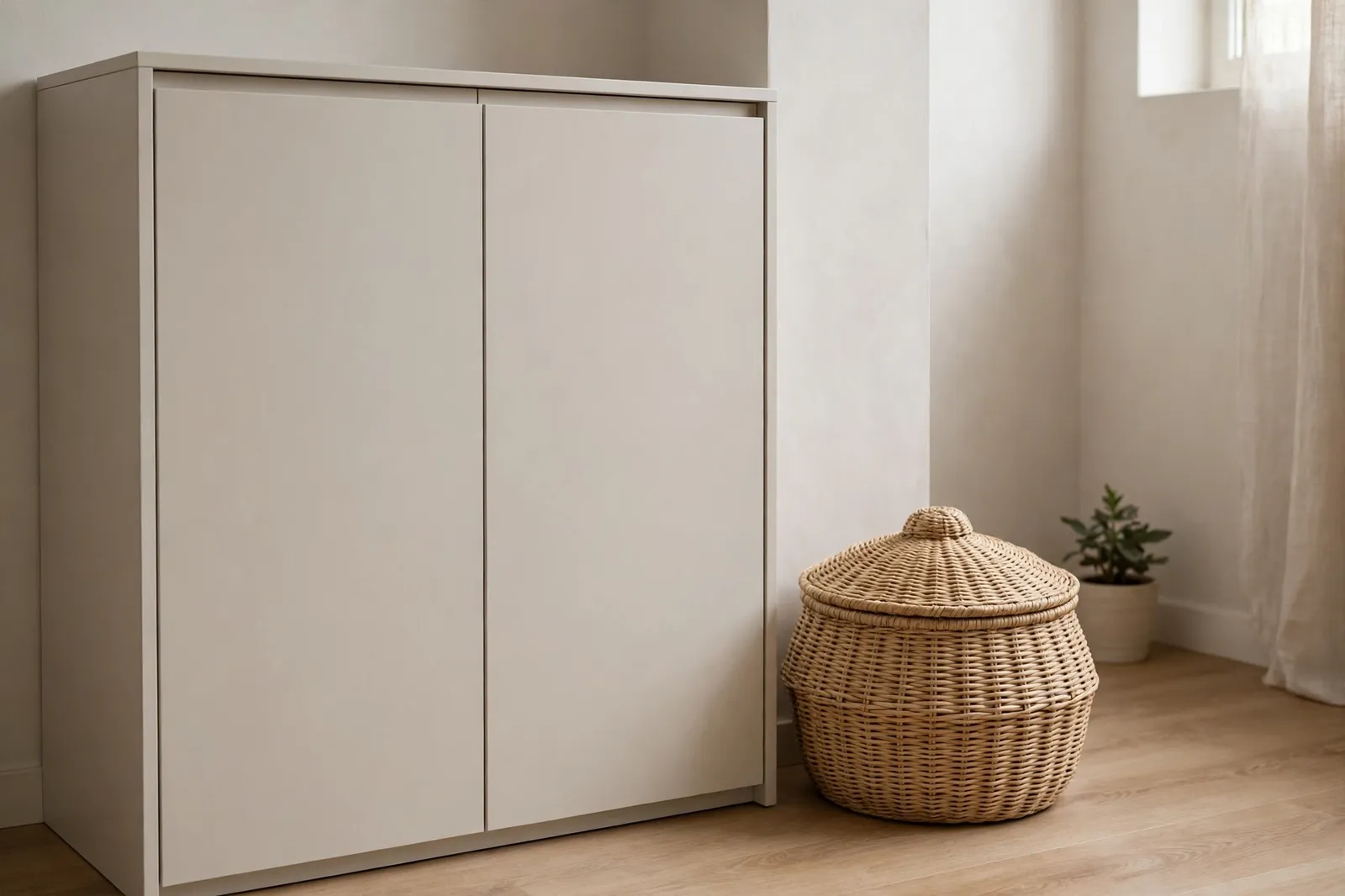
Open shelves are nice for a few pretty things, but a whole wall of open storage makes a room look busy. Closed doors, drawers, and baskets with lids hide the everyday mess and give your eyes a calm surface to rest on. The room feels tidier even when it holds exactly the same amount of stuff.
This does not mean everything has to be hidden away. Keep one or two open shelves for the things you love to look at, and put the rest behind doors. A cabinet with plain fronts, a chest with a lid, or a wardrobe that reaches the ceiling can swallow a lot of clutter without making the room feel full.
5. Use the Space Under Beds and Sofas
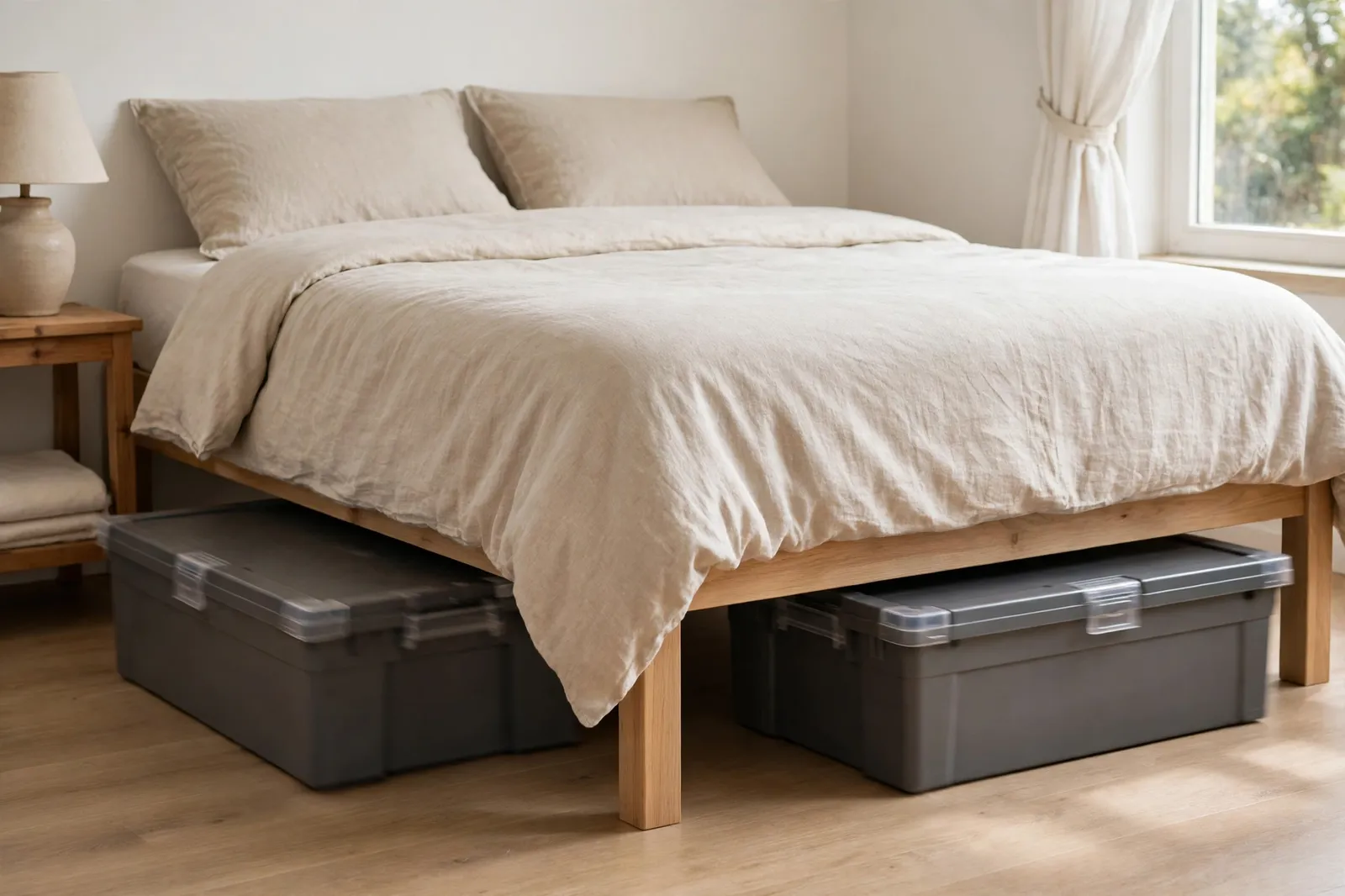
The space under the bed is some of the best storage in the house, and most people barely use it. Flat boxes, shallow bins, or a rolling drawer can hold out-of-season clothes, spare bedding, or shoes without taking up any visible space at all. The same goes for the space under a sofa or a bench.
Keep it simple and keep it tidy. One or two matching boxes that slide out easily are better than a jumble of bags stuffed underneath. Label them if it helps, and pull them out once in a while to check what is still worth keeping. Hidden storage only works if you can actually find things in it.
6. Let Light and Color Do the Heavy Lifting
Storage does not have to look like storage. A cabinet painted the same color as the wall almost disappears, and a basket in a soft, light tone blends in instead of drawing the eye. When storage matches the room, your brain reads it as part of the wall, not as another piece of furniture.
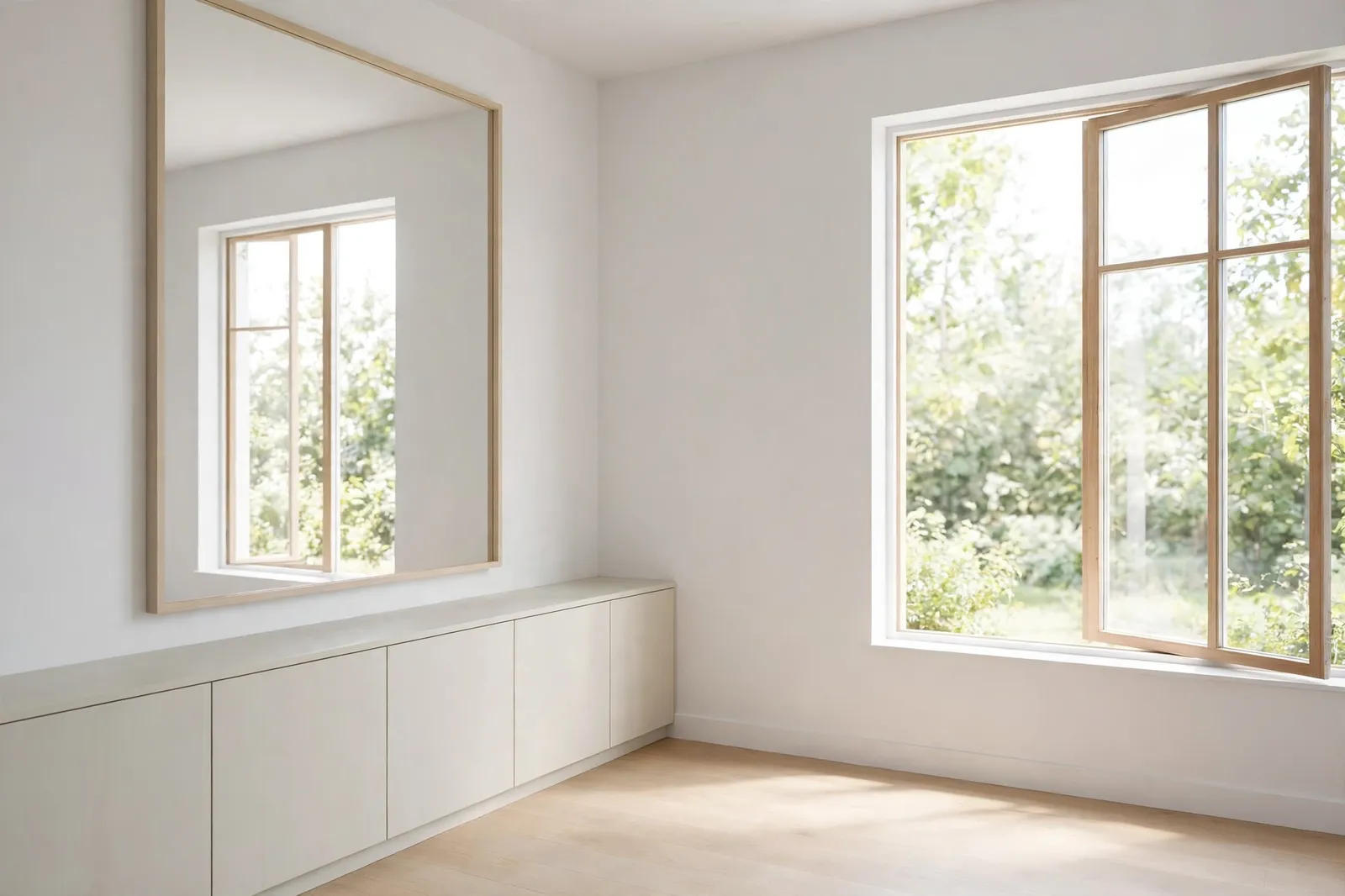
Light helps too. A mirror across from a window bounces daylight around the room, and light walls keep the space feeling open even with a full closet. If a storage piece is dark or bulky, move it to the least visible wall and keep the lighter pieces where your eye lands first.
7. Keep One Open Spot in Every Corner
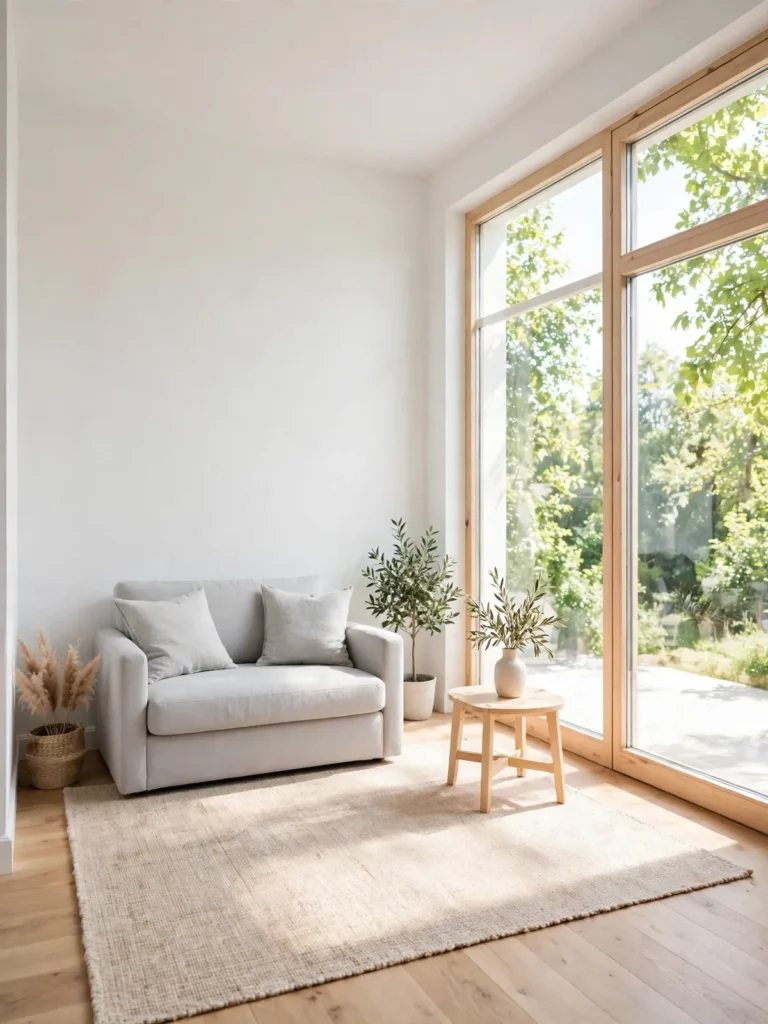
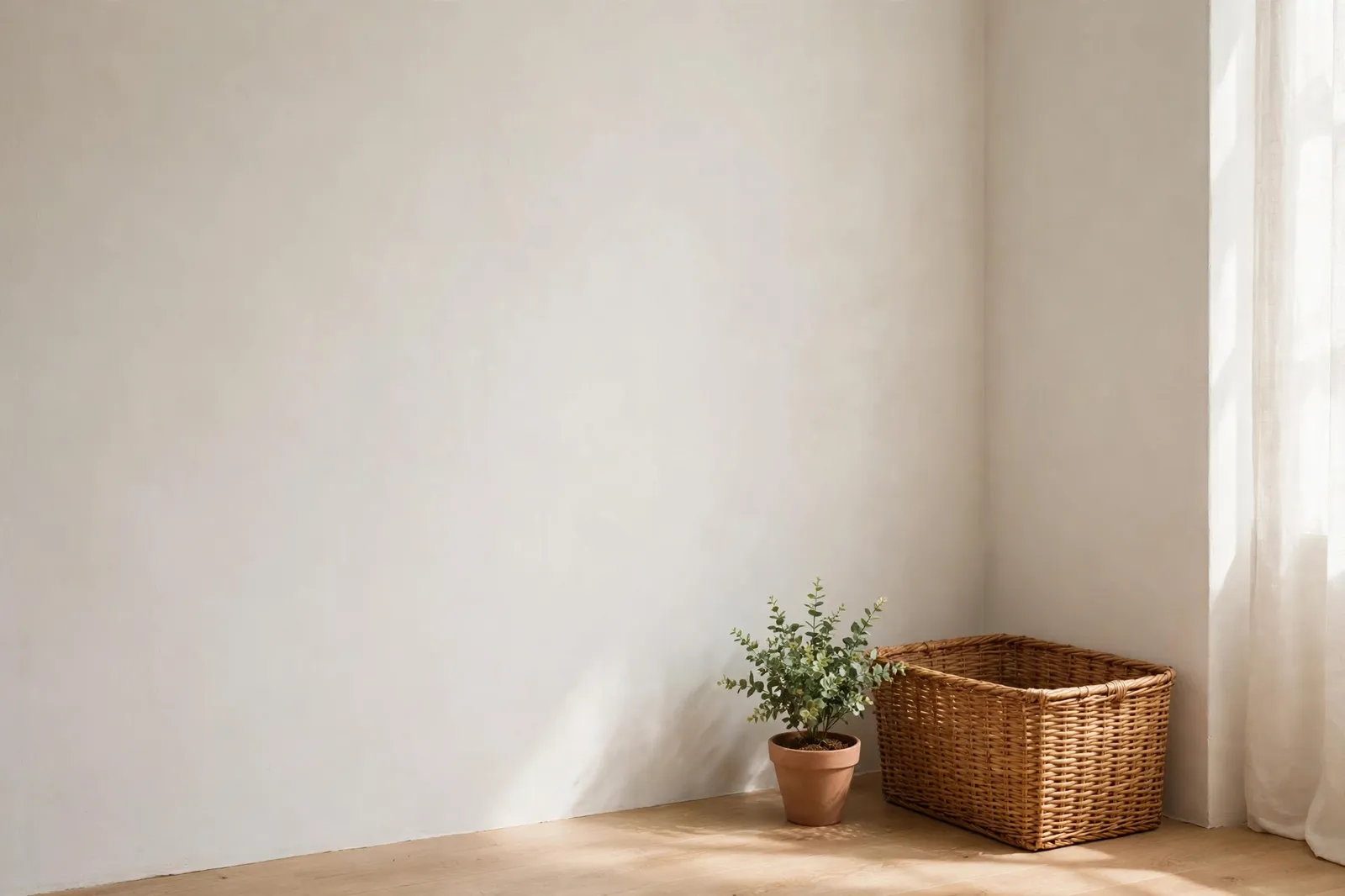
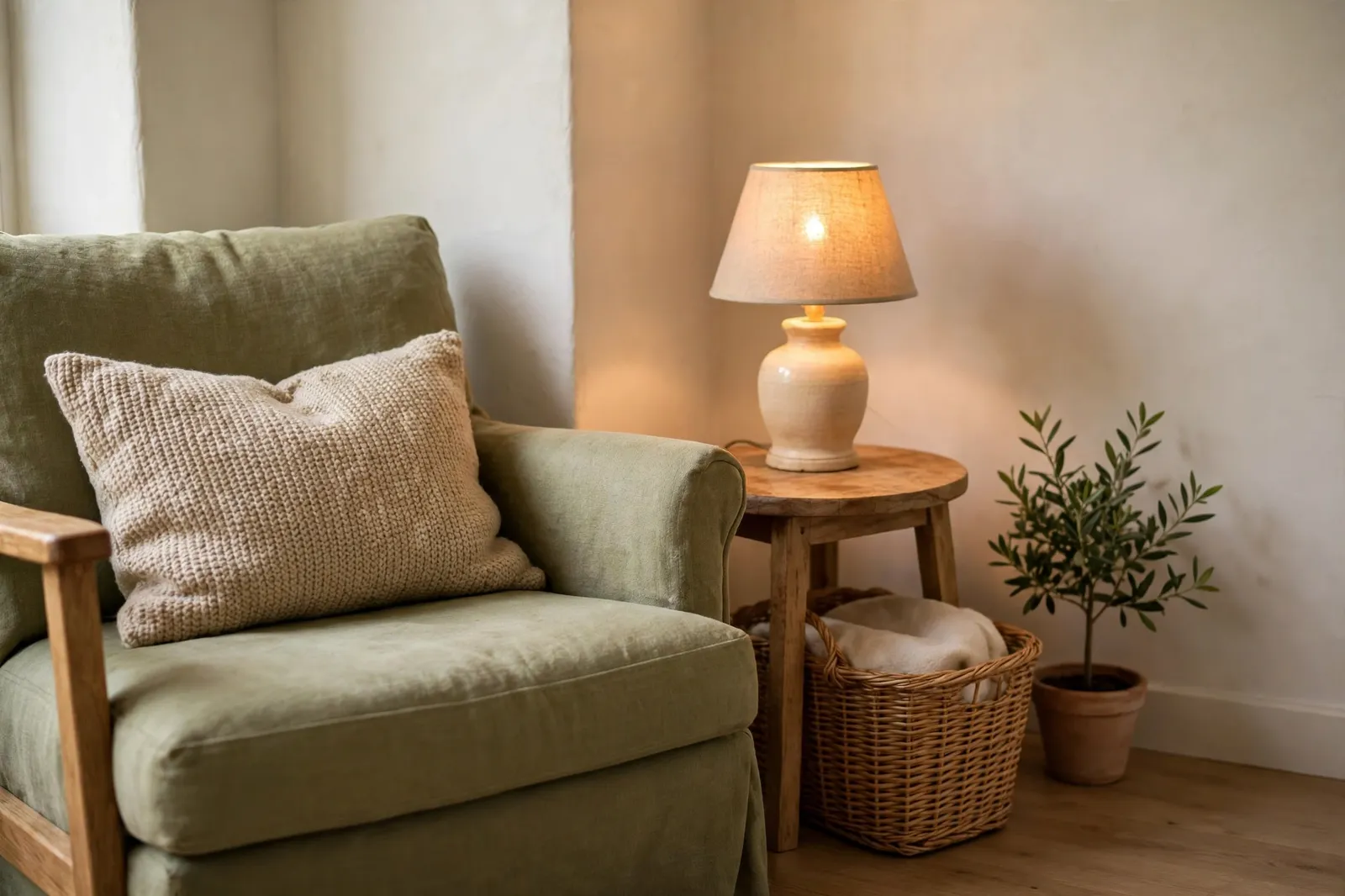
Every room needs a little breathing room. If every wall, corner, and surface holds something, the room will feel crowded no matter how tidy it is. Leave one corner, one stretch of wall, or one surface deliberately empty. That empty spot is what makes the rest of the room feel calm.
This is the hardest part, because an empty shelf feels like wasted space. But a little emptiness is what lets the room feel bigger than it is. When you are tempted to fill the last free spot, ask whether the thing really needs to live there, or whether it could go in a box, a drawer, or another room.
8. Choose Baskets and Boxes That Blend In
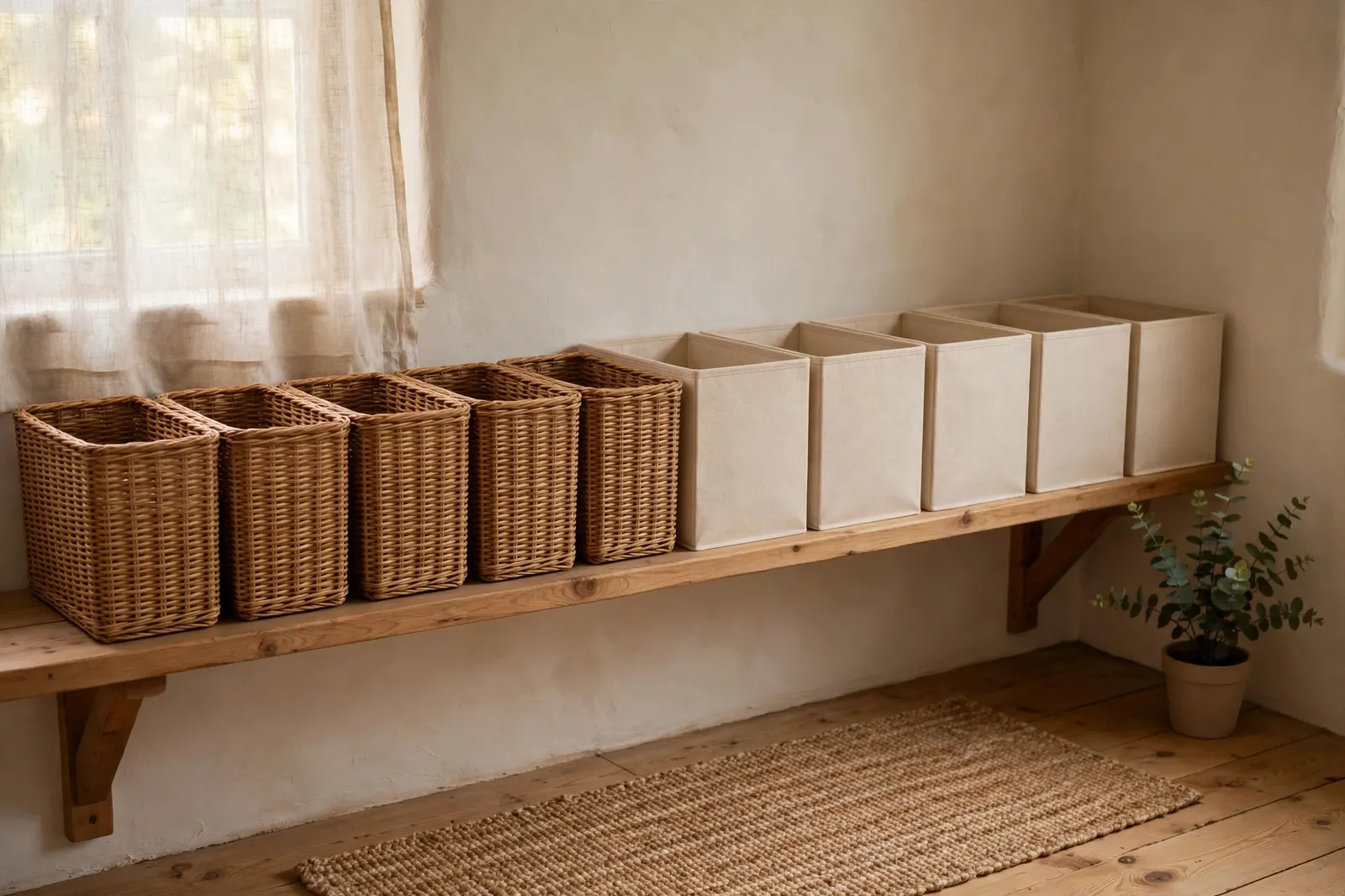
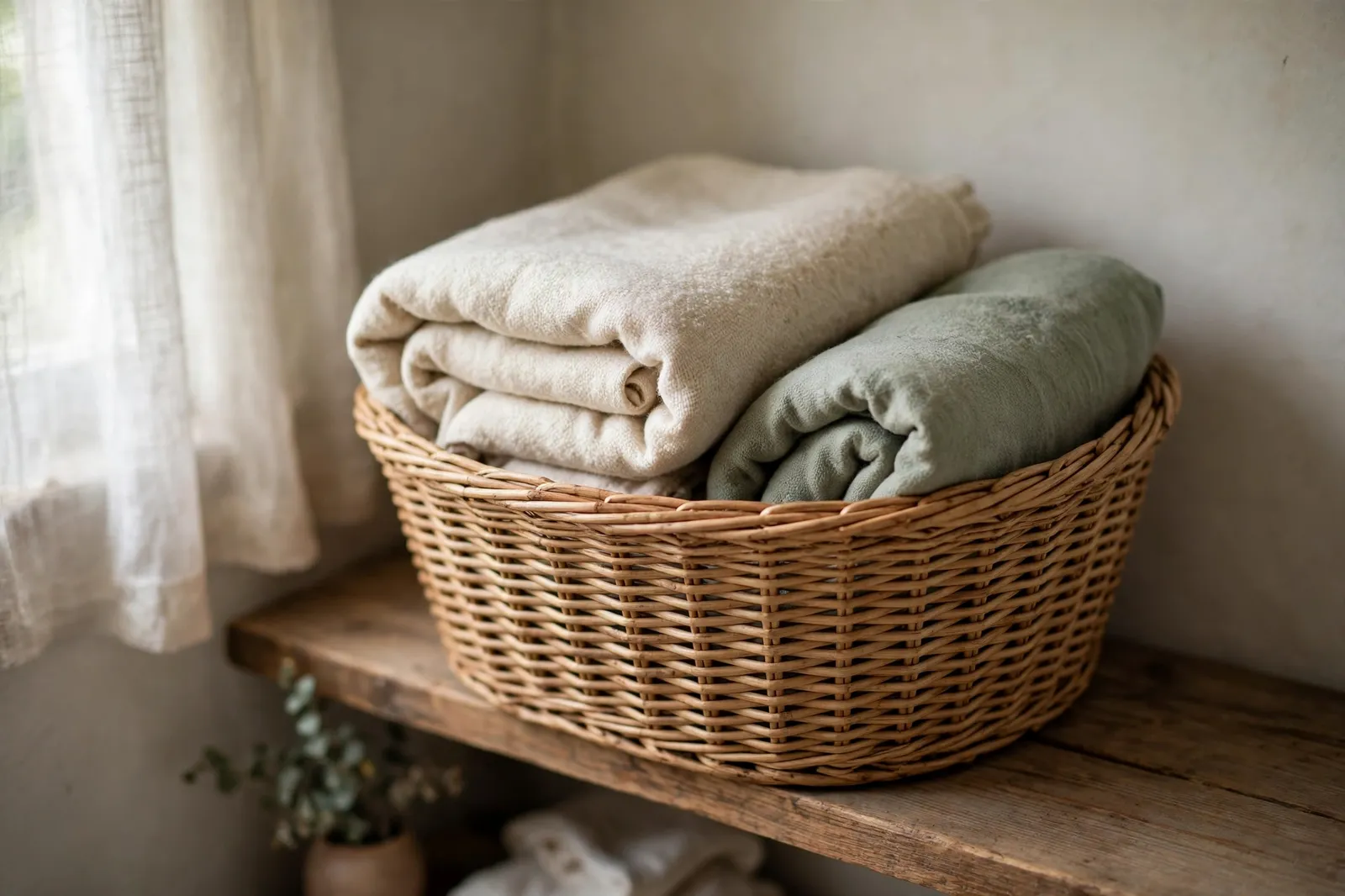
Baskets and boxes are the easiest storage to add, but a mix of random colors and sizes can make a room look messy even when everything has a place. Pick one material and one color family — woven baskets, plain fabric boxes, or simple wooden crates — and use the same look throughout the room.
Matching storage looks calm and intentional, almost like part of the furniture. Put a label on the front if you need to, and keep the lids on so the contents do not spill into view. A row of matching baskets on a shelf looks neat; a pile of different ones looks like a jumble.
9. Store Less, But Store It Better
The best storage trick is to own a little less. A small room does not need ten blankets, six spare pillows, and a drawer full of cables you will never use. When you keep only what you actually use, the storage you have is plenty, and the room stays easy to live in.
That does not mean living with nothing. It means choosing the good version of each thing and letting the extras go. A tidy closet with a few things you love is easier to use than a stuffed one, and a room with clear surfaces is easier to relax in. Less stuff, stored well, is the whole secret.
Frequently Asked Questions
How can I add storage to a small room without it feeling crowded?
Start by clearing out what you do not use, then use the walls and the space under the bed before you buy any new furniture. Pick slim pieces that sit close to the wall, hide most things behind closed doors, and leave one open spot in the room so it can breathe. Matching baskets and light colors help the storage blend in instead of standing out.
What is the best hidden storage for a small bedroom?
The space under the bed is the best hidden storage in a small bedroom — flat boxes or shallow bins can hold out-of-season clothes, spare bedding, and shoes out of sight. A tall, narrow wardrobe that reaches the ceiling and a bedside table with a drawer are good too. Keep the boxes matching and labeled so you can actually find things when you need them.
How do I keep a small room tidy without lots of furniture?
Give everything a home and keep the floor as clear as you can. Use wall shelves, hooks behind the door, and the space under the bed, and put daily clutter in one basket with a lid. A quick five-minute tidy at the end of the day keeps it from piling up, and fewer pieces of furniture means fewer surfaces to collect clutter.
What color storage works best in a small room?
Storage that matches the wall color works best, because it blends in and almost disappears. Light, soft tones like white, cream, pale gray, or natural wood keep a small room feeling open, while dark or bright storage draws the eye and makes the room feel fuller. If you love a bold color, use it on one small basket, not on the biggest cabinet in the room.
Related ideas
Small Entryway Ideas With Smart Storage shows how to squeeze storage into the trickiest spot in the house, and How to Decorate a Small Apartment on a Budget has smart ideas for small rooms that cost very little. For more ways to make a tight space work harder, see Small Space Decorating Ideas That Make Every Inch Count. You might also like Multifunctional Furniture Ideas for Small Homes and Modern Home Decor Ideas for a Clean, Stylish Look.