Traditional vs. Modern Home Decor: Key Differences
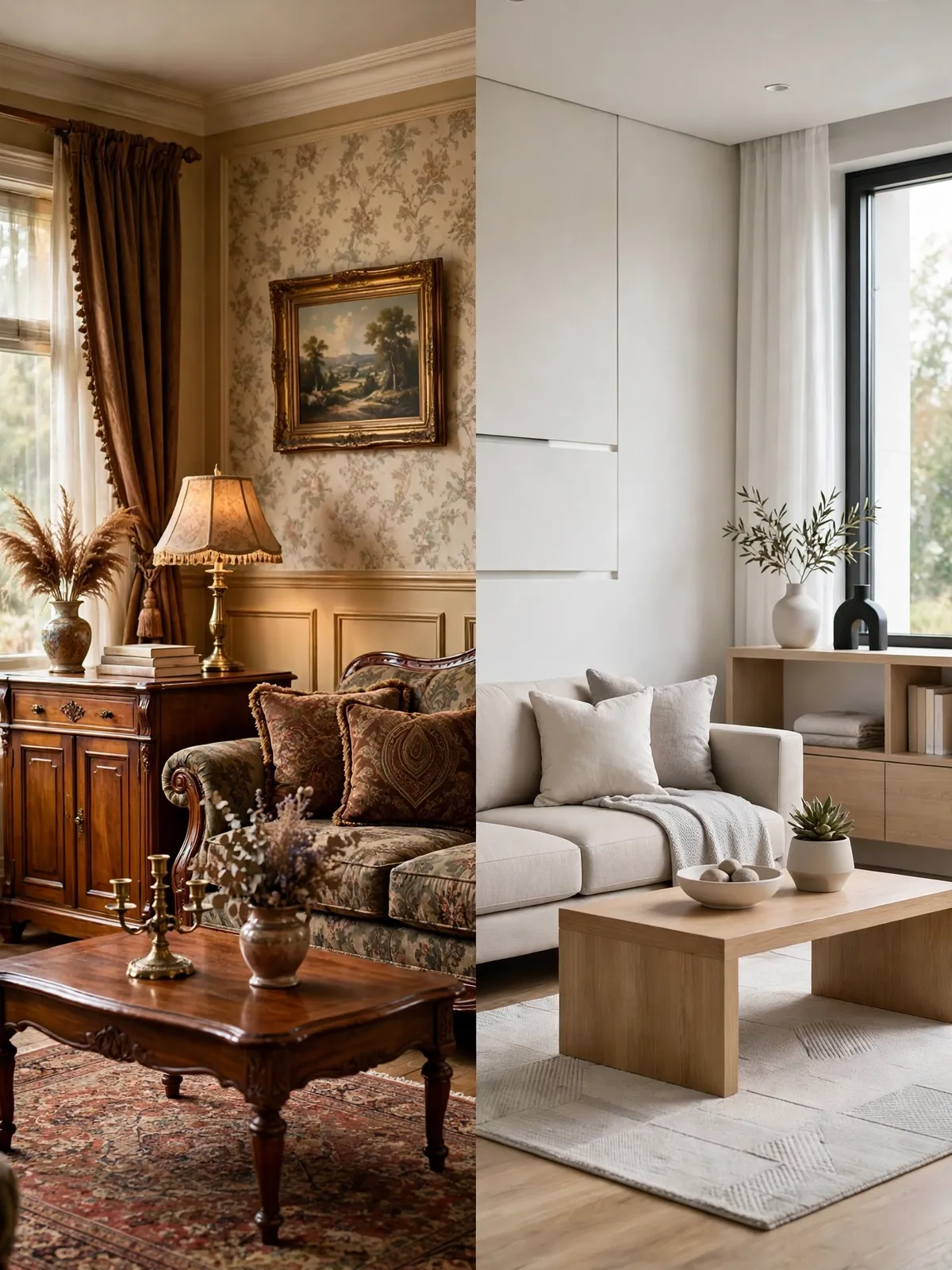
Walk into a traditional home and a modern home, and you can feel the difference right away. One feels warm, layered, and full of history. The other feels clean, open, and calm. Both can look beautiful — they just get there in very different ways.
If you are trying to figure out which style fits you, it helps to compare them side by side. Here are the key differences between traditional and modern home decor, in plain terms, so you can spot what you love and build a home that feels like yours.
1. The Overall Look and Feel
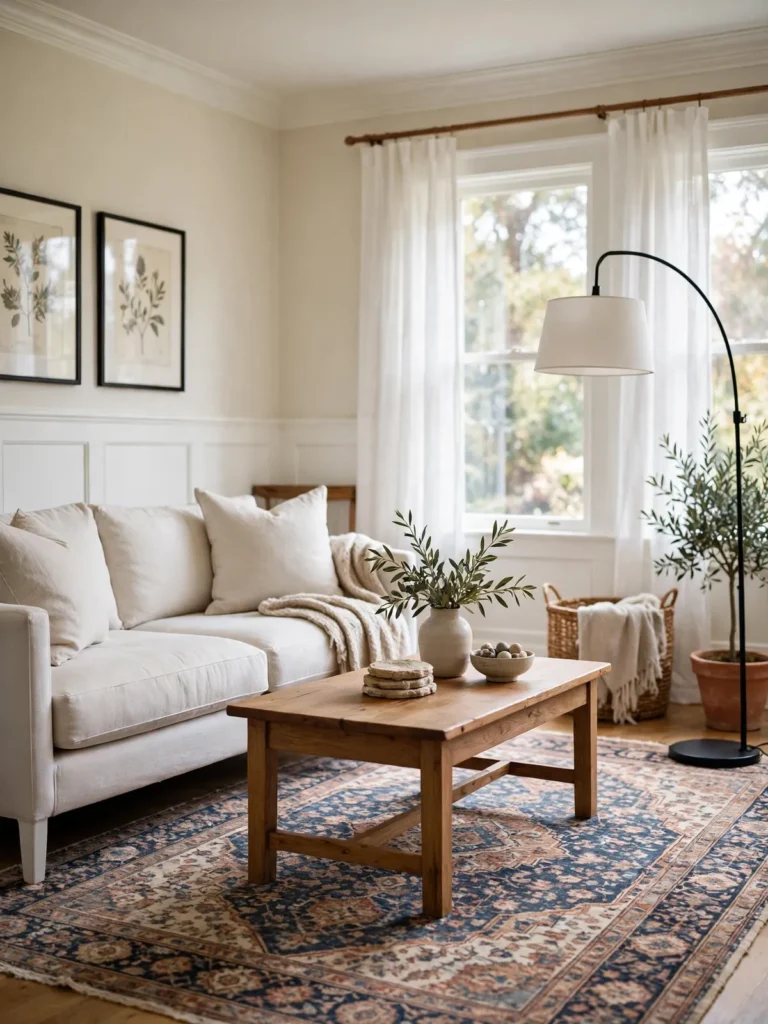
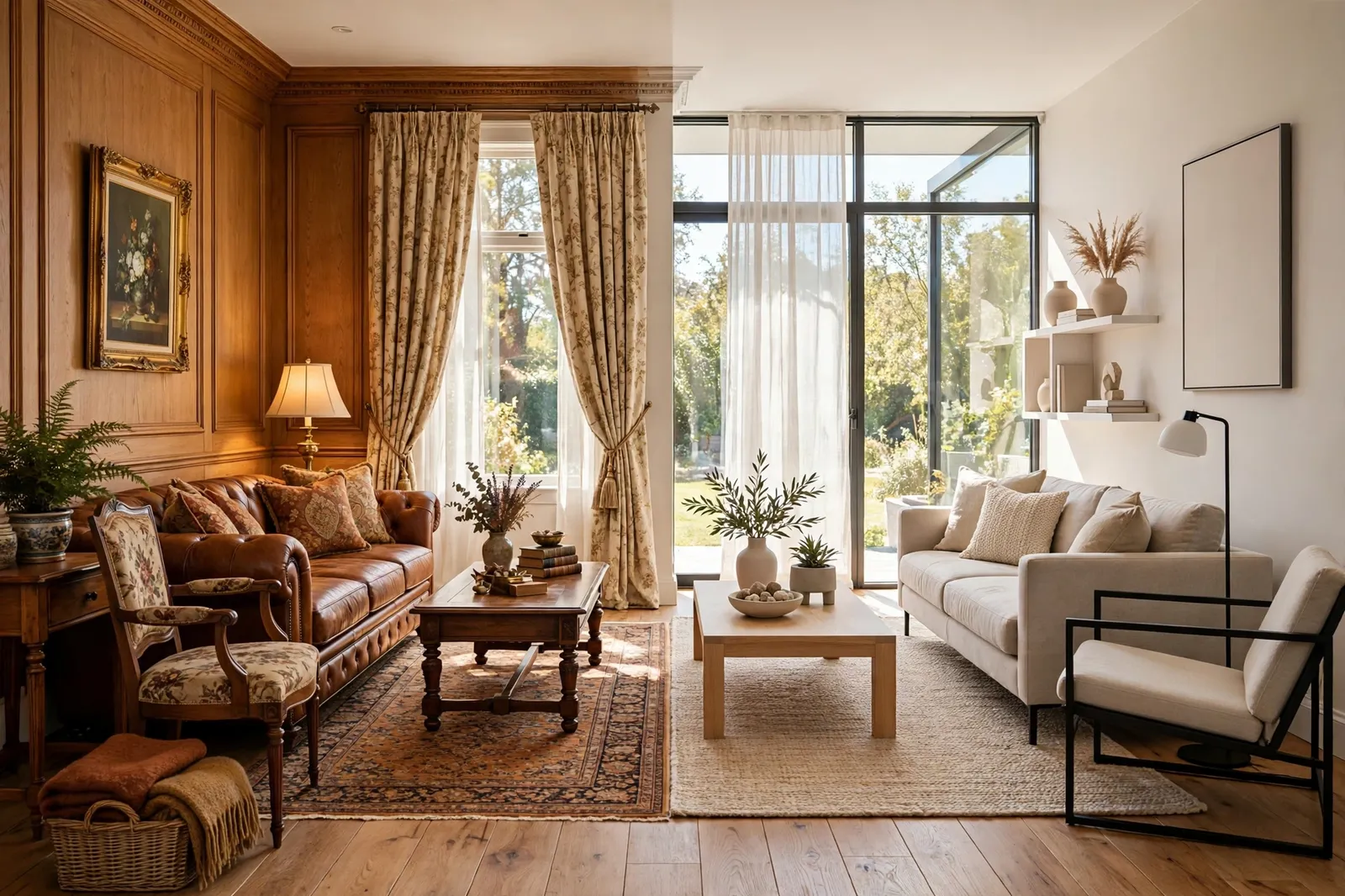
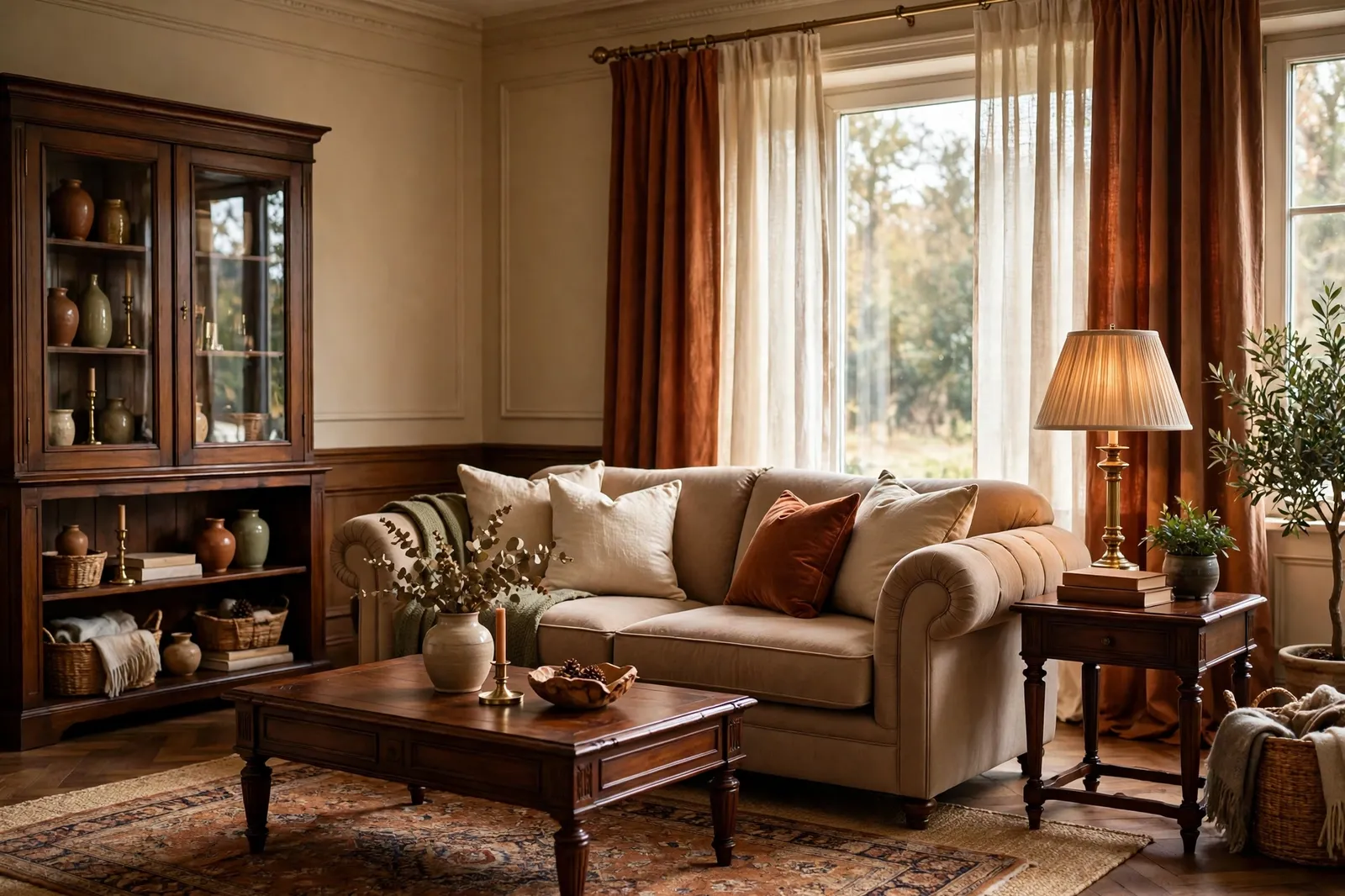
Traditional decor feels warm and collected, like a home that has been loved for years. Rooms are filled with rich colors, classic furniture, and pieces that tell a story. It feels cozy, formal in a friendly way, and a little bit grand — think of a beautiful old house with curtains, antiques, and family photos.
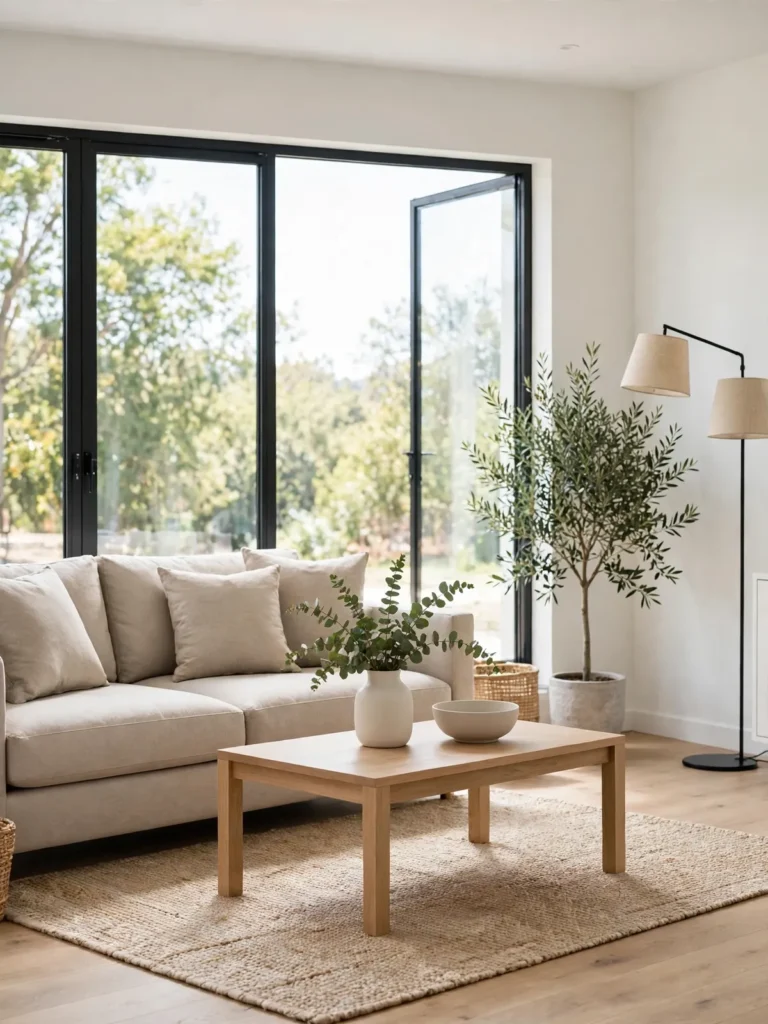
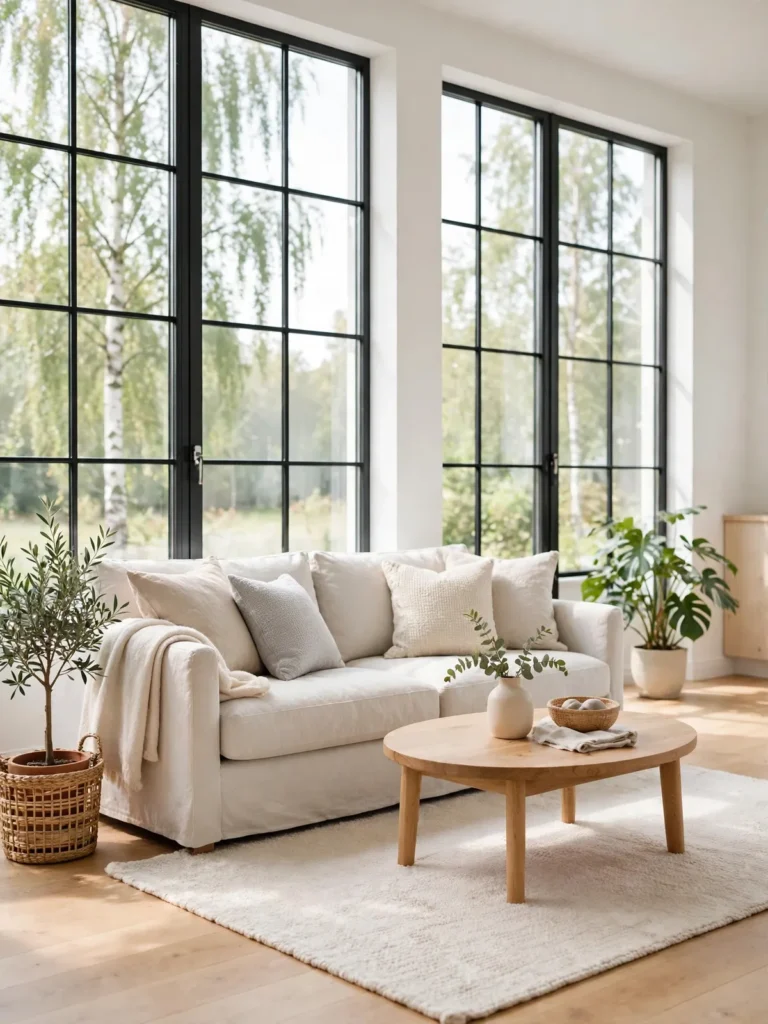
Modern decor feels fresh and open. Rooms have lots of breathing space, clean lines, and very little clutter. The mood is calm and simple, and the furniture looks like it belongs in this decade. Nothing feels fussy, and every piece has a clear purpose.
Neither style is better than the other. It really comes down to what feels like home to you. Some people love the warmth of traditional rooms, while others feel more relaxed in a simple modern space.
2. Colors and Patterns
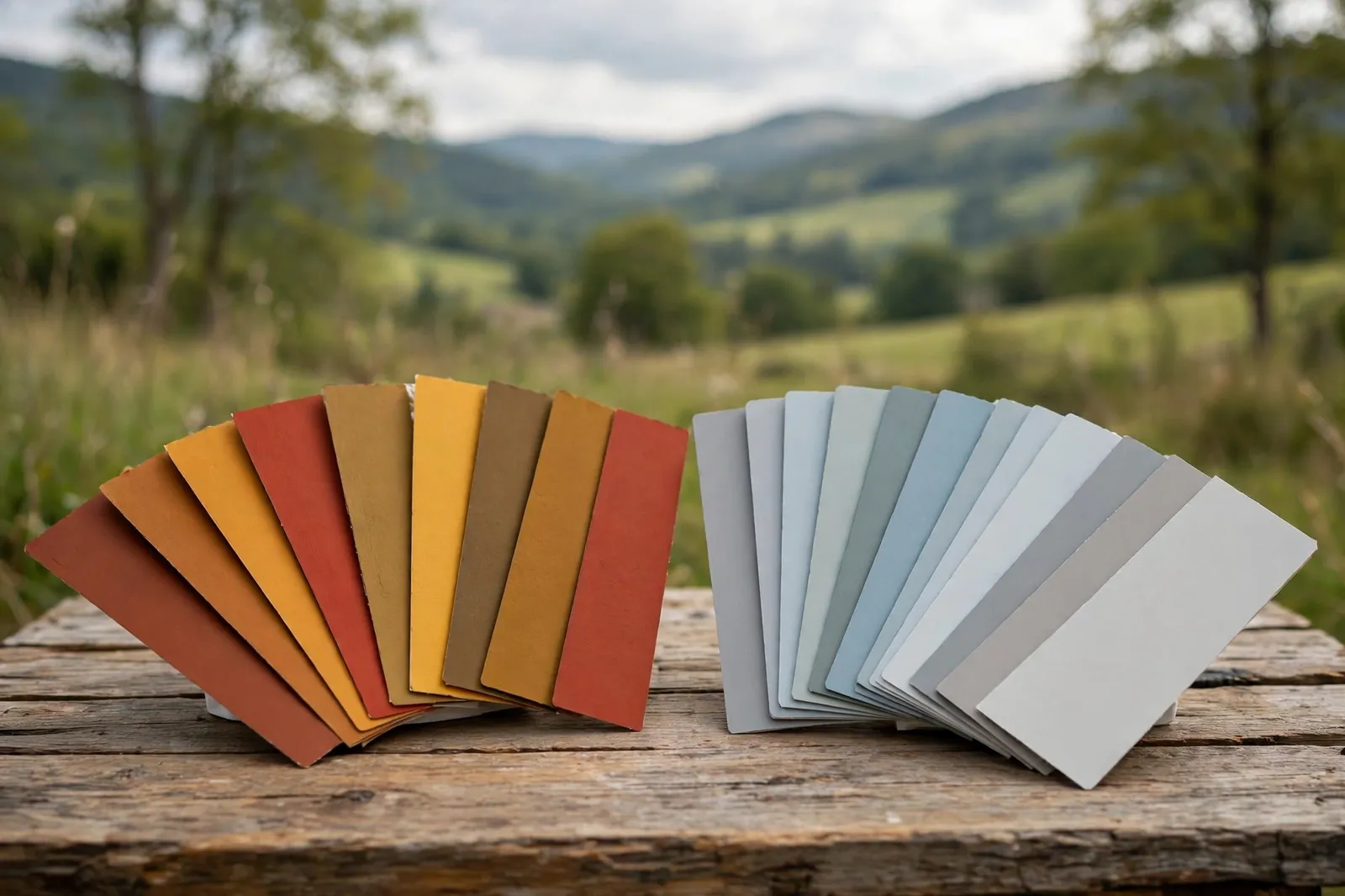
Traditional homes use warm, rich colors. Think deep reds, warm golds, forest green, navy blue, and creamy whites. Walls often have bold wallpaper or warm paint, and patterns like florals, stripes, and damask show up on curtains, cushions, and rugs.
Modern homes lean on a much simpler palette. White, black, gray, and beige do most of the work, with one or two bold accent colors for a pop. Patterns are rare, and when they do appear, they are usually simple shapes or clean geometric lines.
The color choice sets the whole mood of the room. Warm and rich colors make a space feel snug and lived in, while light neutrals make it feel bigger and airier. If you love color, traditional style gives you more room to play. If you like things calm and simple, modern colors will suit you better.
3. Furniture Shapes and Materials
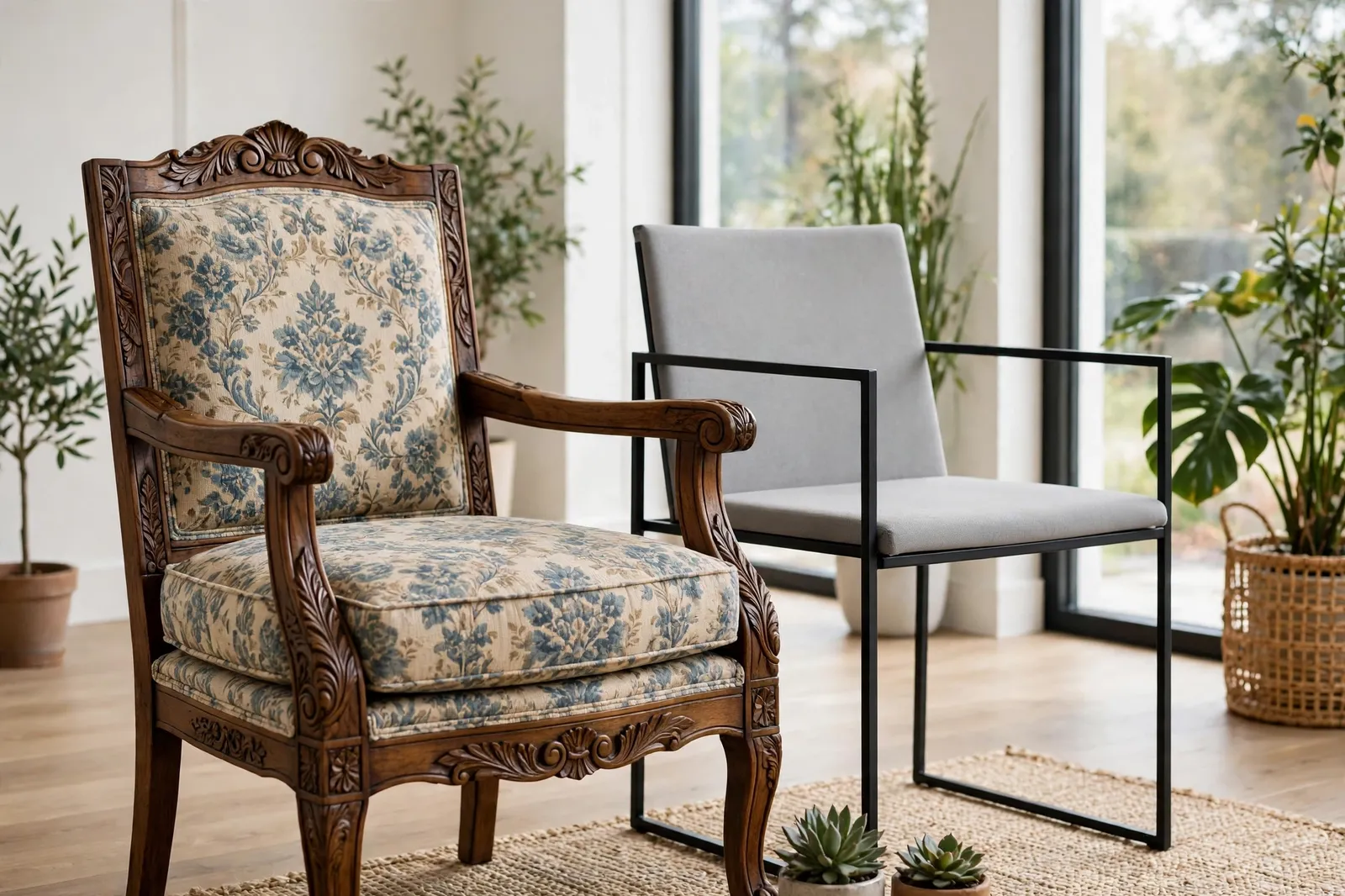
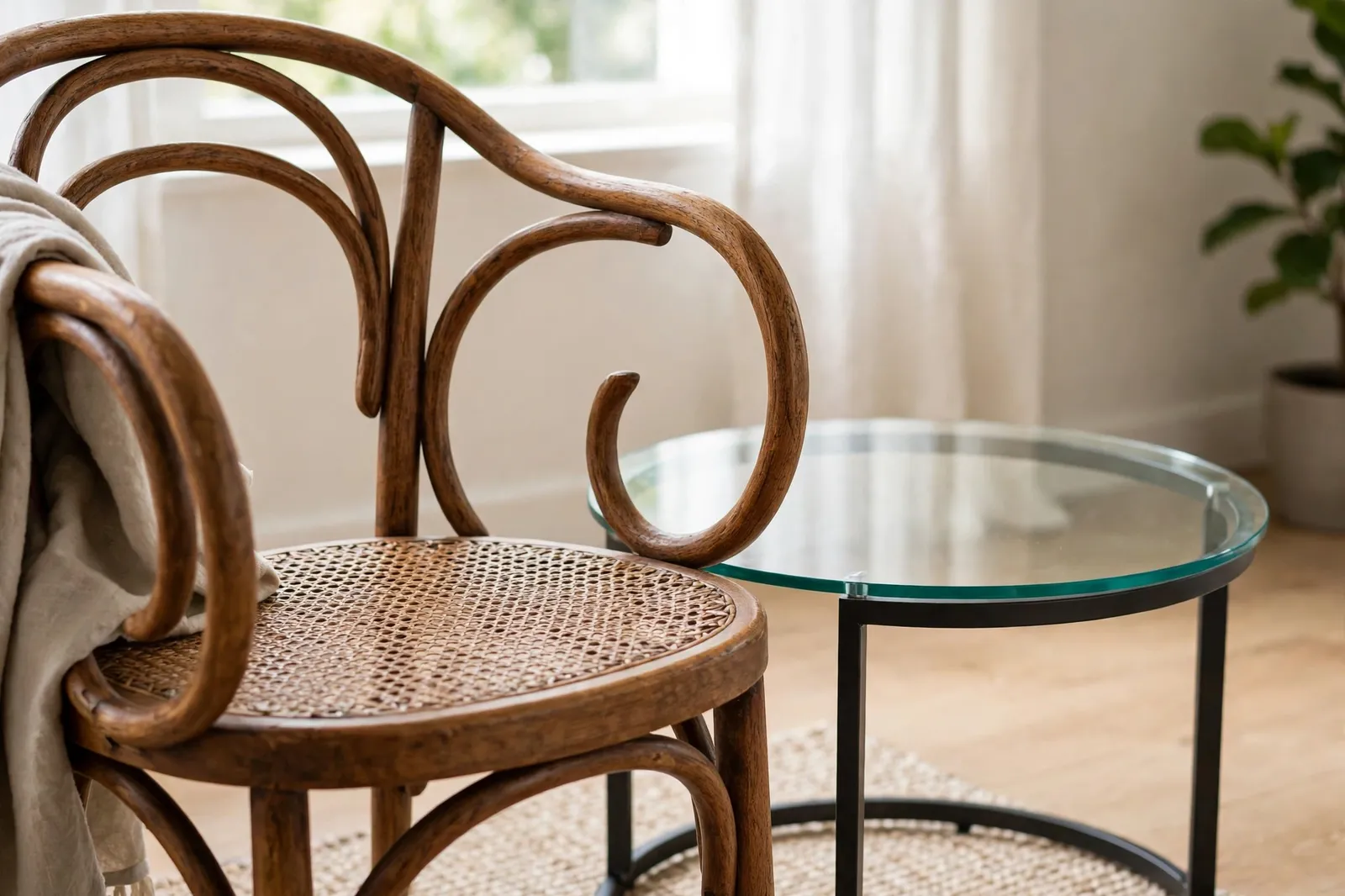
Traditional furniture has curves, carvings, and detail. Sofas have rolled arms and turned wooden legs, chairs have carved backs, and tables often have ornate edges. The wood is usually dark and rich, like mahogany or cherry, and pieces are built to look solid and timeless.
Modern furniture is the opposite: straight lines, smooth surfaces, and simple shapes. Sofas sit low with square arms, tables have thin metal or glass tops, and you will see a lot of light wood, chrome, and leather. The pieces look light and simple, even when they are big.
When you sit down, the difference is easy to feel. Traditional furniture feels plush and cushy, made for long evenings by the fire. Modern furniture feels sleek and firm, made for clean lines and easy living. Both can be comfortable — they just offer comfort in different ways.
4. Decor, Details, and Accessories
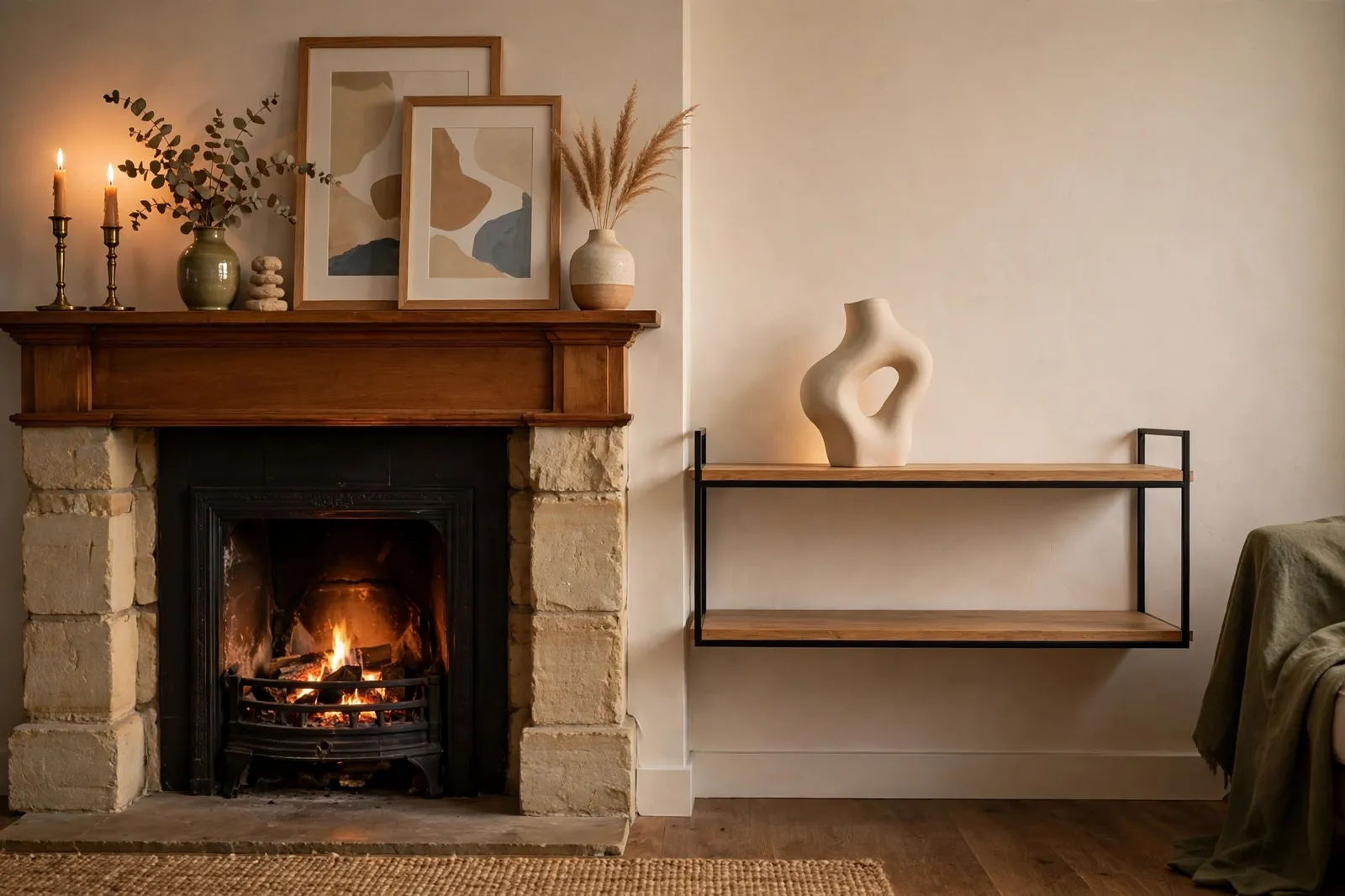
In a traditional home, the details are part of the charm. You will see framed art in gold frames, candlesticks, vases, collections of books, and decorative plates. Surfaces are dressed up, and each piece adds to the layered, collected feel of the room.
Modern decor keeps accessories to a minimum. One large piece of art on a bare wall, a single sculptural vase, or a simple bowl on a coffee table is often enough. The idea is that a few strong pieces say more than a shelf full of small ones.
This is one of the easiest differences to spot. If a room feels full of pretty things to look at, it leans traditional. If it feels like there is space to breathe and only a few things catch your eye, it leans modern. Neither is wrong — it is just a different way of making a room feel finished.
5. Lighting and How Rooms Feel
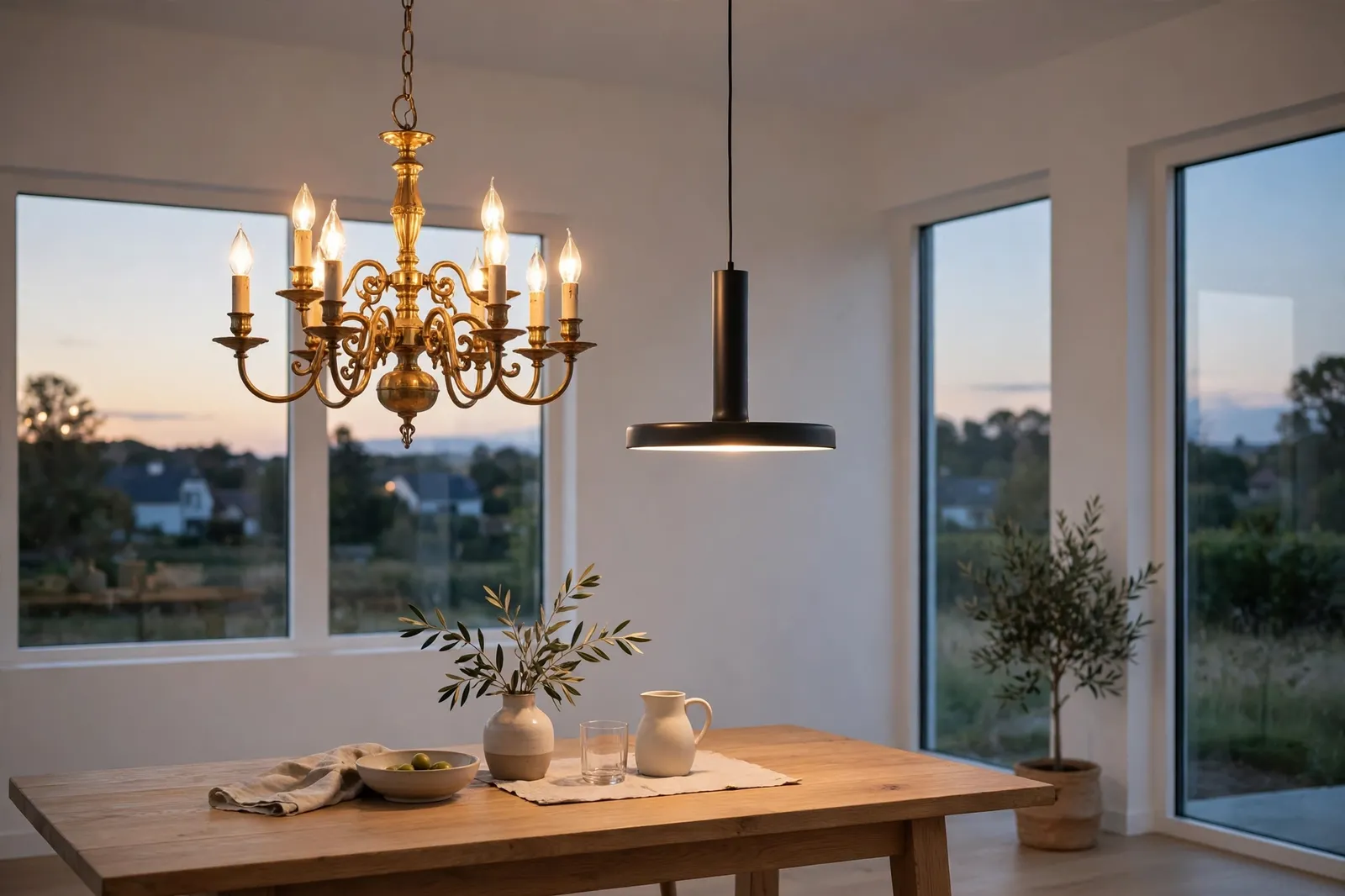
Traditional lighting feels warm and soft. Chandeliers, table lamps with fabric shades, and wall sconces give rooms a golden glow. The light is layered and gentle, which adds to that cozy, old-home feeling, especially in the evening.
Modern lighting is cleaner and brighter. Recessed lights, track lighting, and simple pendant lamps with bare bulbs or glass shades are common. The light feels crisp and even, and big windows with no heavy curtains let in lots of daylight.
Lighting changes how a room feels more than almost anything else. Warm, layered light makes a room feel intimate and welcoming. Bright, even light makes it feel open and fresh. Try standing in both kinds of rooms at night and you will notice the difference right away.
6. Floors, Walls, and Windows
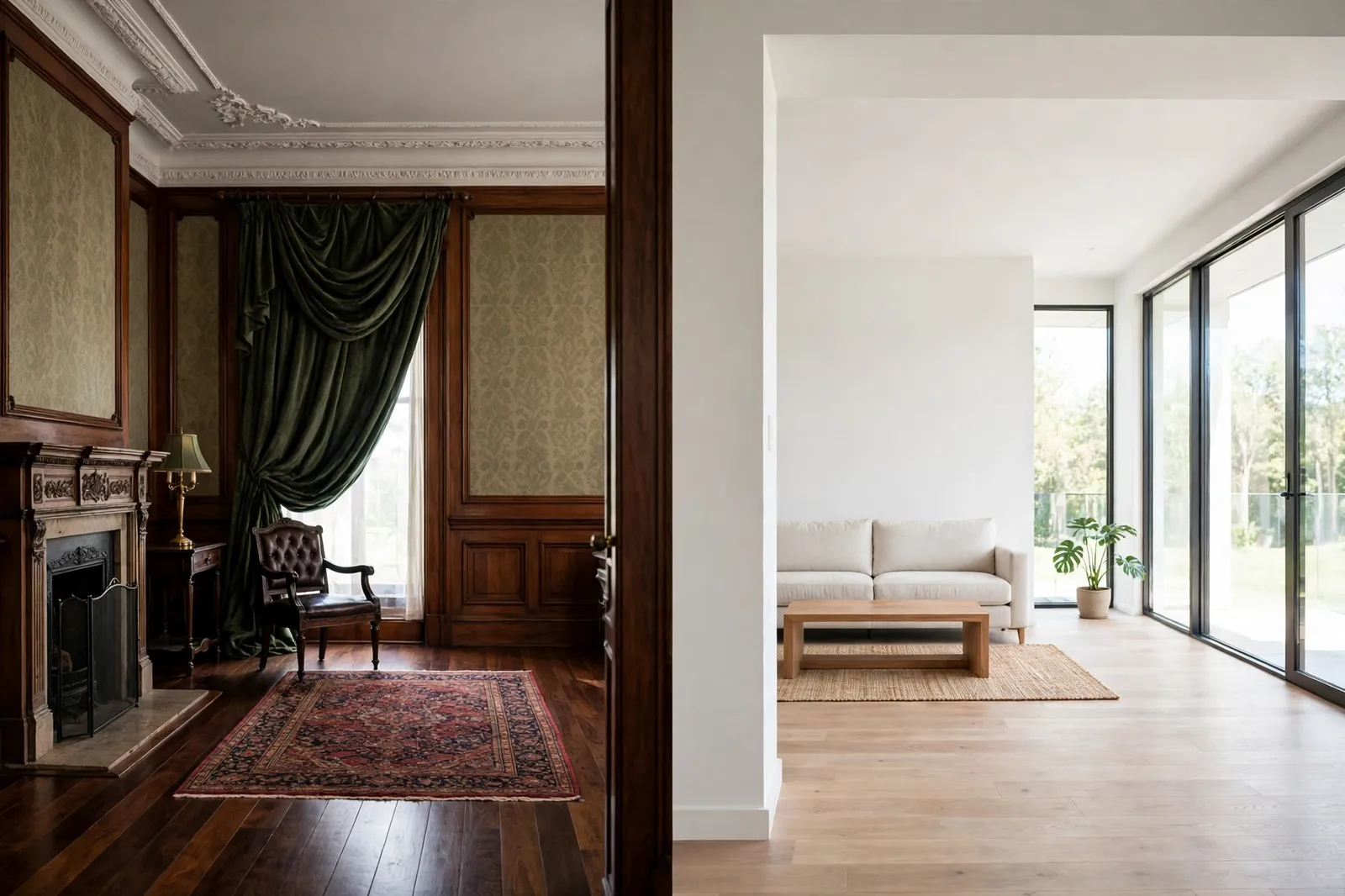
Traditional rooms often have dark hardwood floors, sometimes with a large patterned rug on top. Walls may have wainscoting, crown molding, or wallpaper with a classic print. Windows are dressed up with heavy curtains, valances, and tiebacks that frame the view.
Modern rooms usually have light wood or polished concrete floors, often left bare or with a plain rug in a solid color. Walls are smooth and painted in a single light shade, with little or no molding. Windows are left simple — sheer panels, roller blinds, or nothing at all — so the daylight pours in.
These background choices shape everything else in the room. Ornate walls and dark floors make a room feel rich and grounded. Plain walls and light floors make it feel open and airy. When you are choosing a style, the walls and floors are a good place to start.
7. How Each Style Handles Clutter and Space
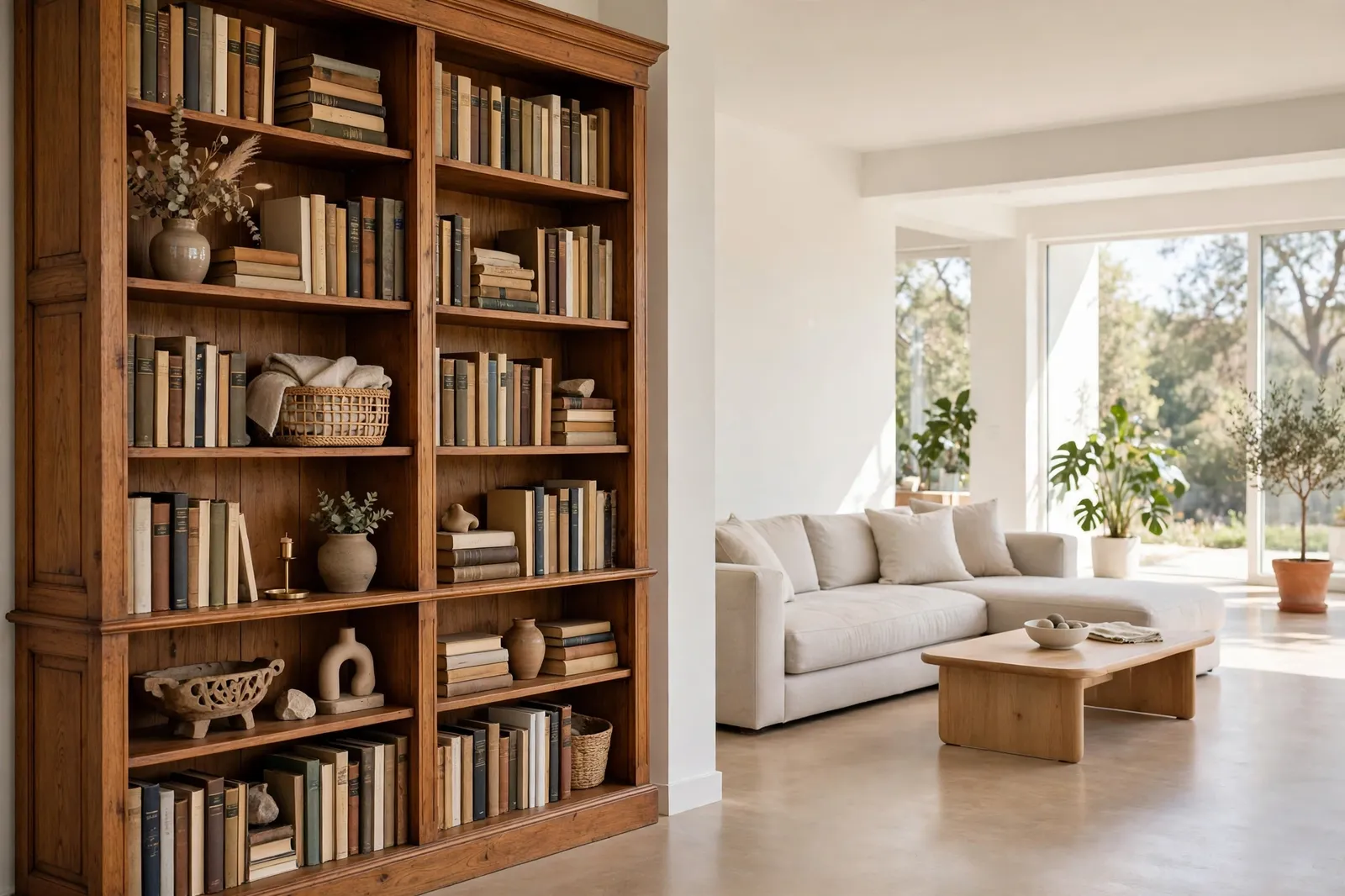
Traditional style is comfortable with fullness. Shelves hold books and collections, side tables hold lamps and photos, and rooms feel lived in. The space is used up, but in a warm and intentional way — everything has a place, even if there is a lot of it.
Modern style is all about open space. Surfaces stay clear, storage is hidden behind smooth cabinet doors, and rooms feel uncluttered. The empty space is part of the design, not something to fill. A modern room can feel almost too bare if you are used to a fuller look.
Think about how you live day to day. If you love having your things around you and enjoy a full, cozy room, traditional style will feel natural. If clutter stresses you out and you love a clear counter and an open floor, modern style will make you feel calmer.
8. Cost and How Long It Lasts
Traditional pieces are often built to last. Solid wood furniture, quality fabrics, and classic designs can stay in a home for decades and still look good. The upfront cost can be higher, but the pieces age well and rarely go out of style because the style itself is timeless.
Modern furniture varies more in price. You can find affordable modern pieces almost anywhere, but cheaper ones made from thin materials may not last long. Well-made modern furniture can be pricey too, and trends change faster, so a very trendy piece might look dated in a few years.
In the long run, both styles can be a good investment if you choose quality over trend. Buy the best pieces you can afford, pick classic shapes over flashy ones, and your home will look good for years no matter which style you choose.
9. Can You Mix Traditional and Modern?
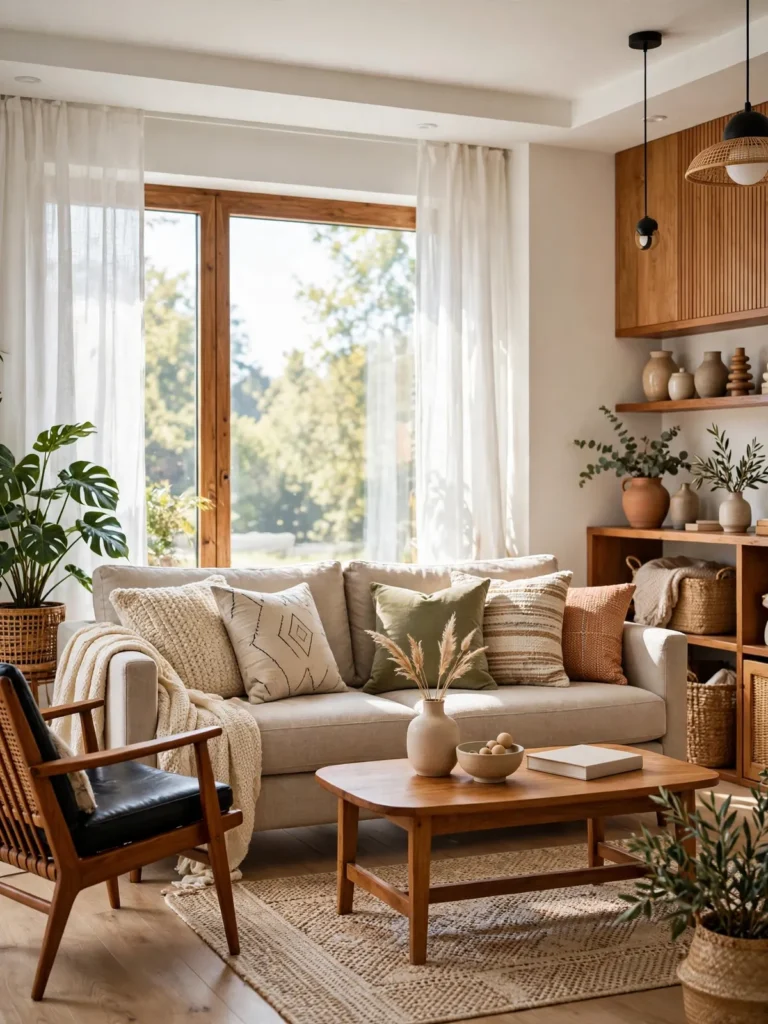
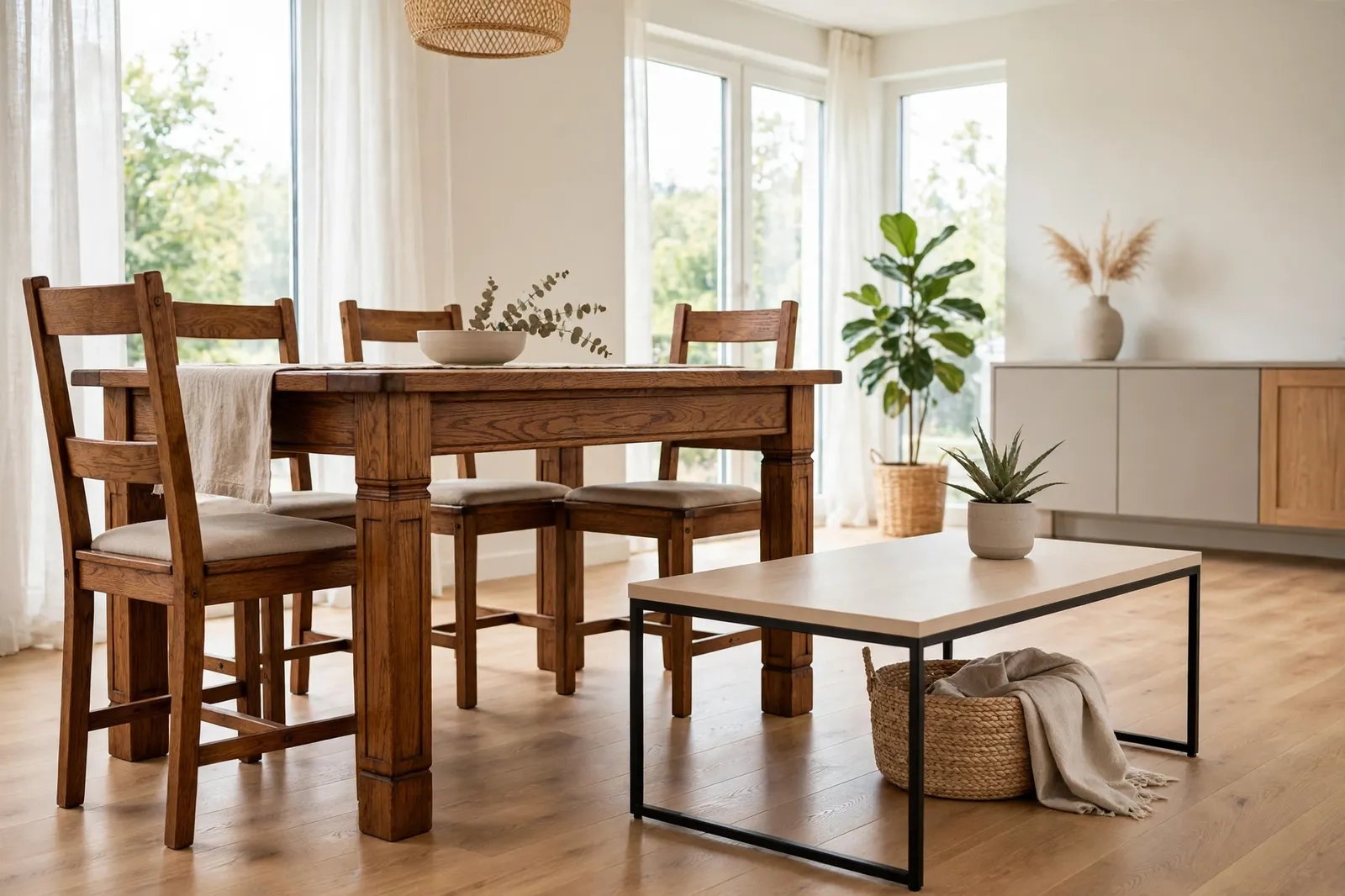
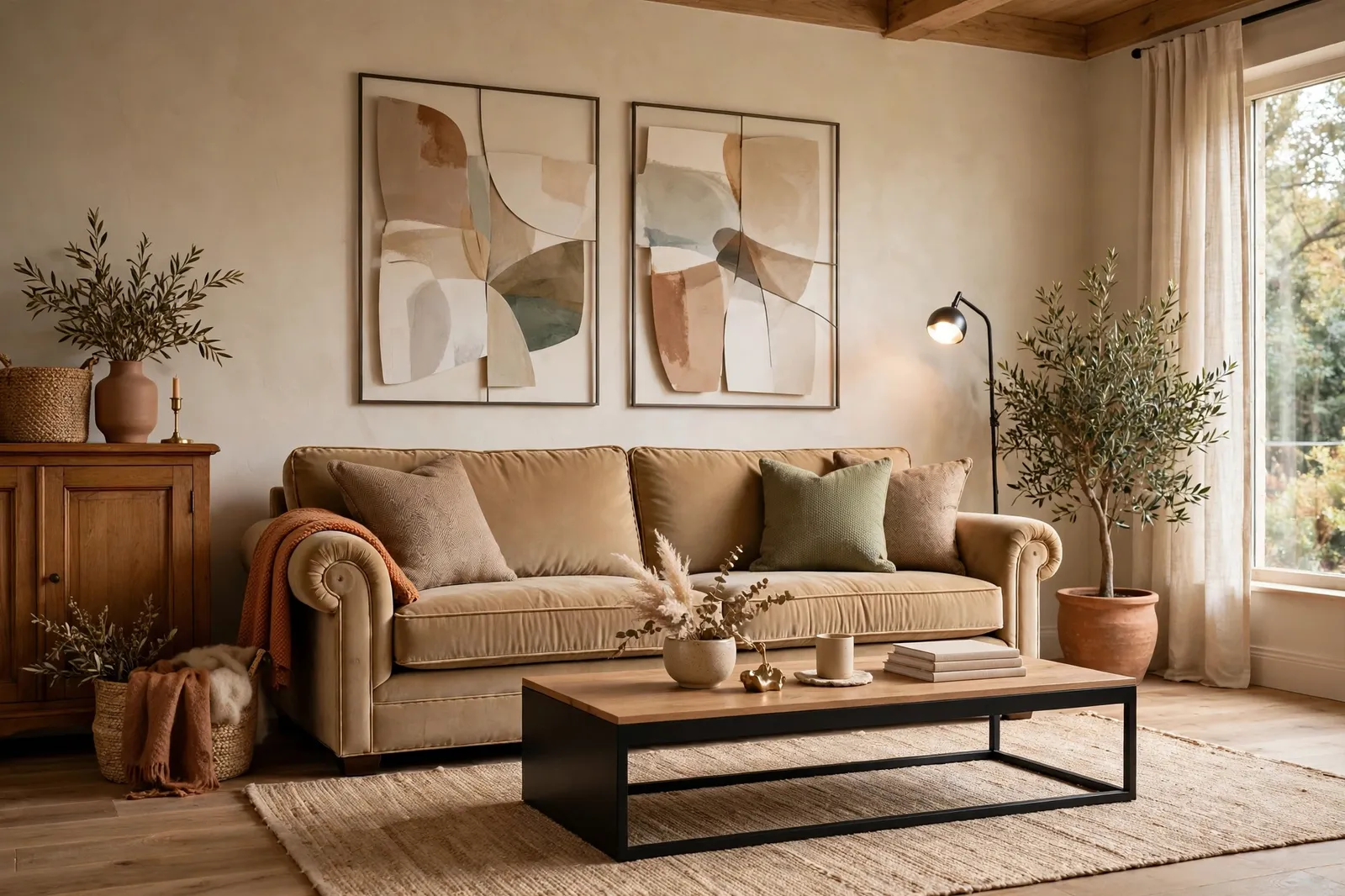
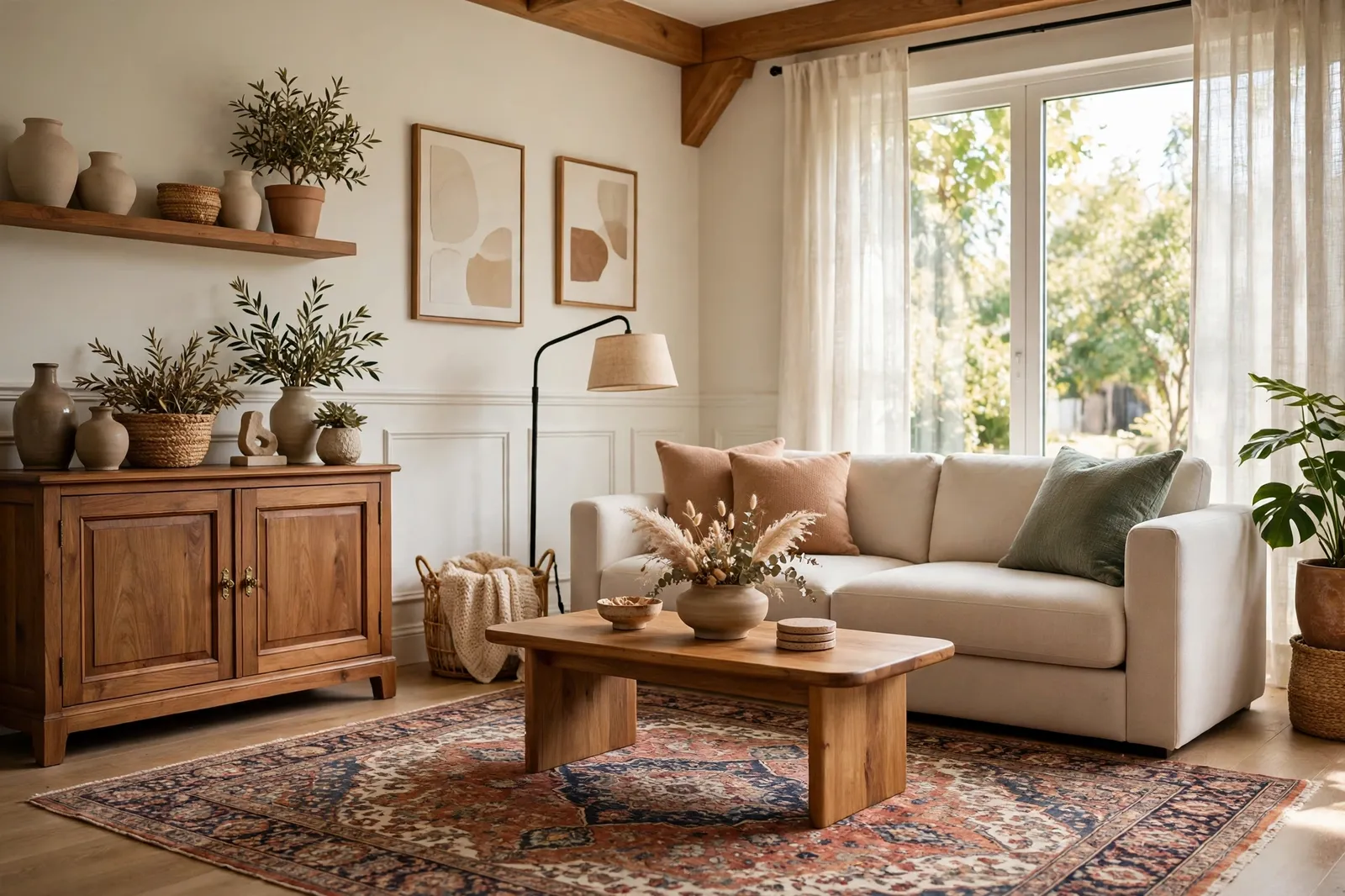
Yes, and a lot of people do. Mixing the two styles is called transitional decor, and it is one of the most popular looks right now. The trick is to pick one style as the base and add touches of the other, so the room still feels pulled together.
A good way to start is with a traditional sofa and modern art on the wall, or a sleek modern dining table with classic wooden chairs. Keep the colors connected — for example, warm wood tones with neutral walls — so the two styles talk to each other instead of fighting.
Start small and see how it feels. Swap one piece at a time and live with it for a week before changing anything else. A mix that feels balanced and personal is better than a room that follows one style perfectly but does not feel like you.
Frequently Asked Questions
What is the main difference between traditional and modern home decor?
The main difference is the feel. Traditional decor is warm, detailed, and layered, with rich colors, classic furniture, and lots of accessories. Modern decor is clean, simple, and open, with neutral colors, straight lines, and very little clutter. One feels like a classic, lived-in home; the other feels fresh and calm.
Which style is better for a small home?
Modern style usually works better in a small home because light colors, clean lines, and open space make a room feel bigger. But traditional style can work too if you keep the colors light, pick furniture that fits the room, and avoid crowding the space with too many pieces. The best choice is the one that makes your small space feel comfortable.
Can I mix traditional and modern decor in one room?
Yes, mixing the two is very common and is called transitional style. Pick one style as your base and add a few pieces from the other. Keep the colors connected and the shapes balanced so the room feels pulled together. Start with one or two mixed pieces and add more slowly until it feels right.
Is modern decor more expensive than traditional decor?
Not always. Modern furniture comes in a wide range of prices, from budget flat-pack pieces to high-end designer items. Traditional furniture can cost more upfront because it is often solid wood and built to last, but it holds up well over time. In both styles, quality pieces cost more but last longer.
Related ideas
Popular Home Decor Styles and How to Choose Yours helps you figure out which style fits your home and your life, and Modern Home Decor Ideas for a Clean, Stylish Look shows how to bring a fresh modern feel into your space without making it cold. If you like the warmth of classic touches mixed with clean lines, Modern Farmhouse Decor Ideas for a Warm Home is a great next read. You might also like Transitional Interior Design Ideas for a Timeless Home and How to Mix Home Decor Styles Without Making a Room Feel Busy.