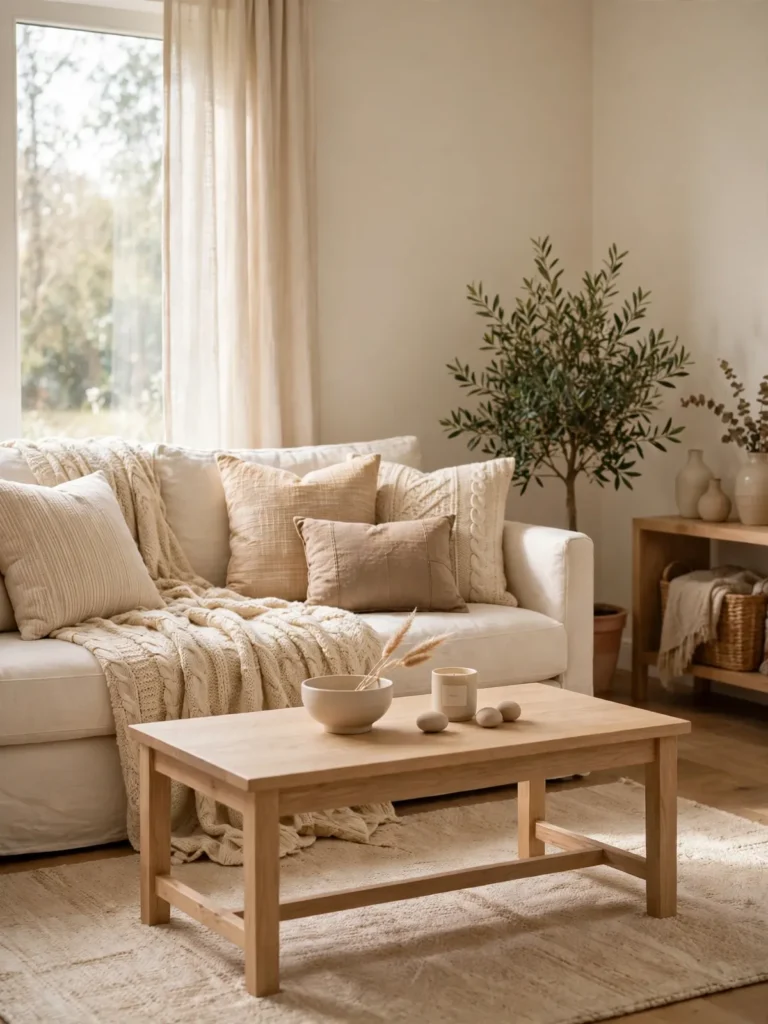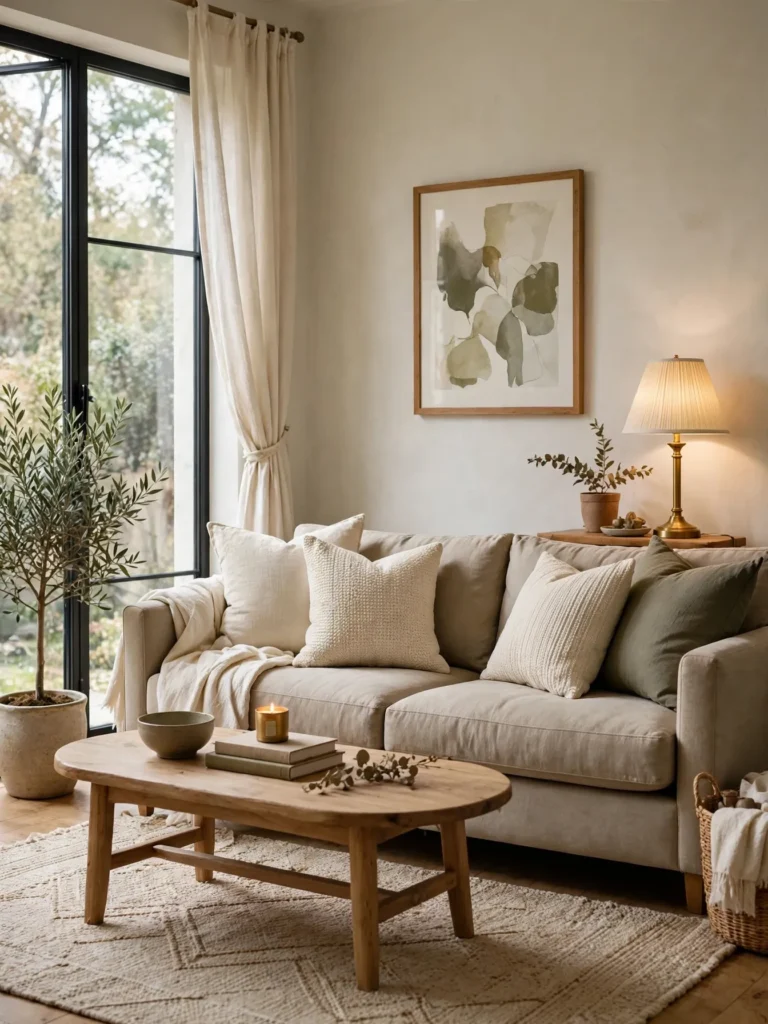
Living Room Wall Decor Ideas for Every Style
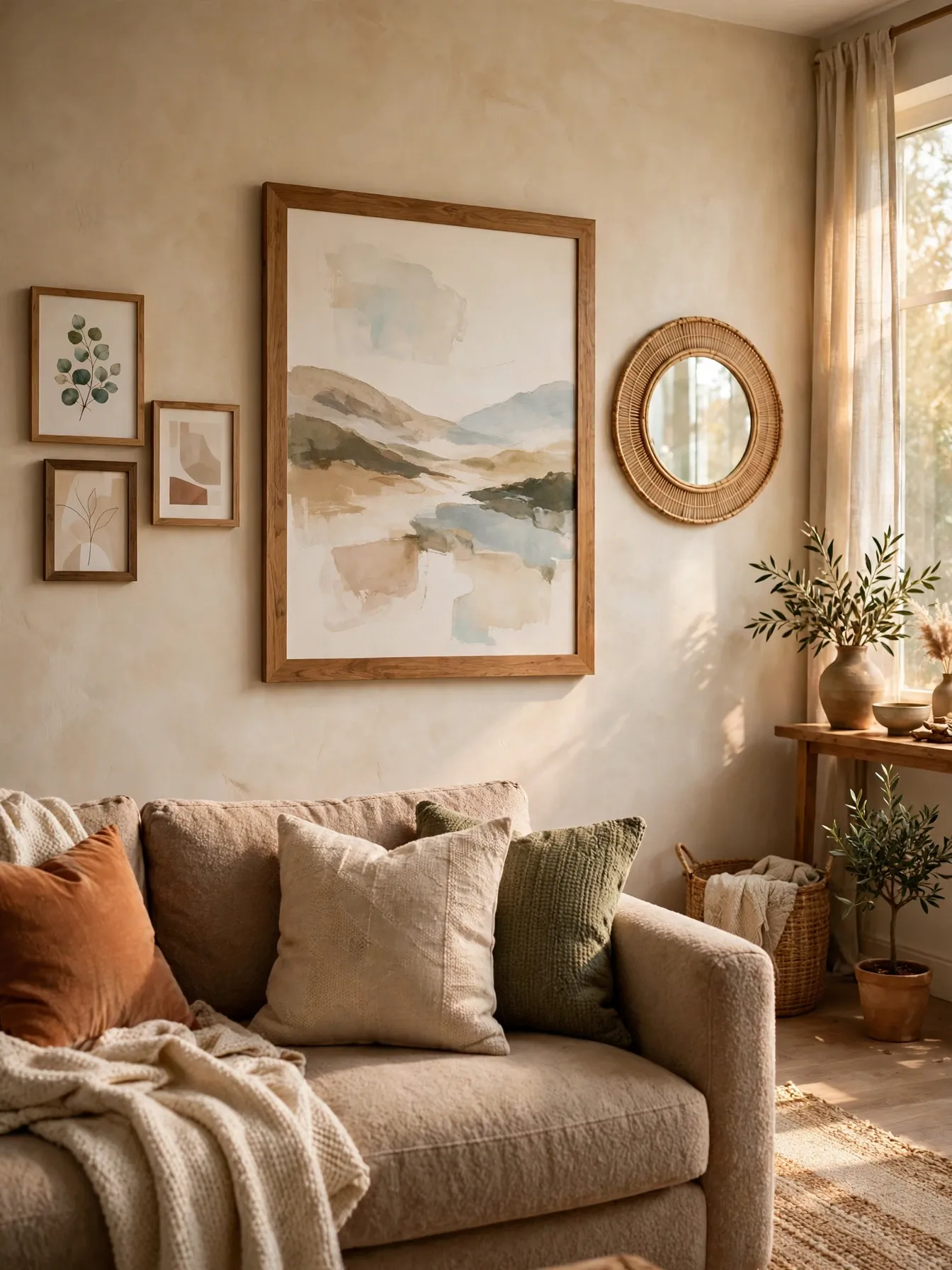
Blank walls can make even a nice living room feel unfinished. You do not need a big budget or a designer to fix that. A few well-chosen pieces, hung at the right height and in the right spot, can make the whole room feel warmer, calmer, and more like you.
The trick is to start with what you already have. Look at your sofa, your rug, and the light in the room, then pick wall decor that fits that feeling. Below are simple ideas that work in small apartments, family rooms, and larger open spaces alike, no matter what style you like best.
Start With One Focal Wall
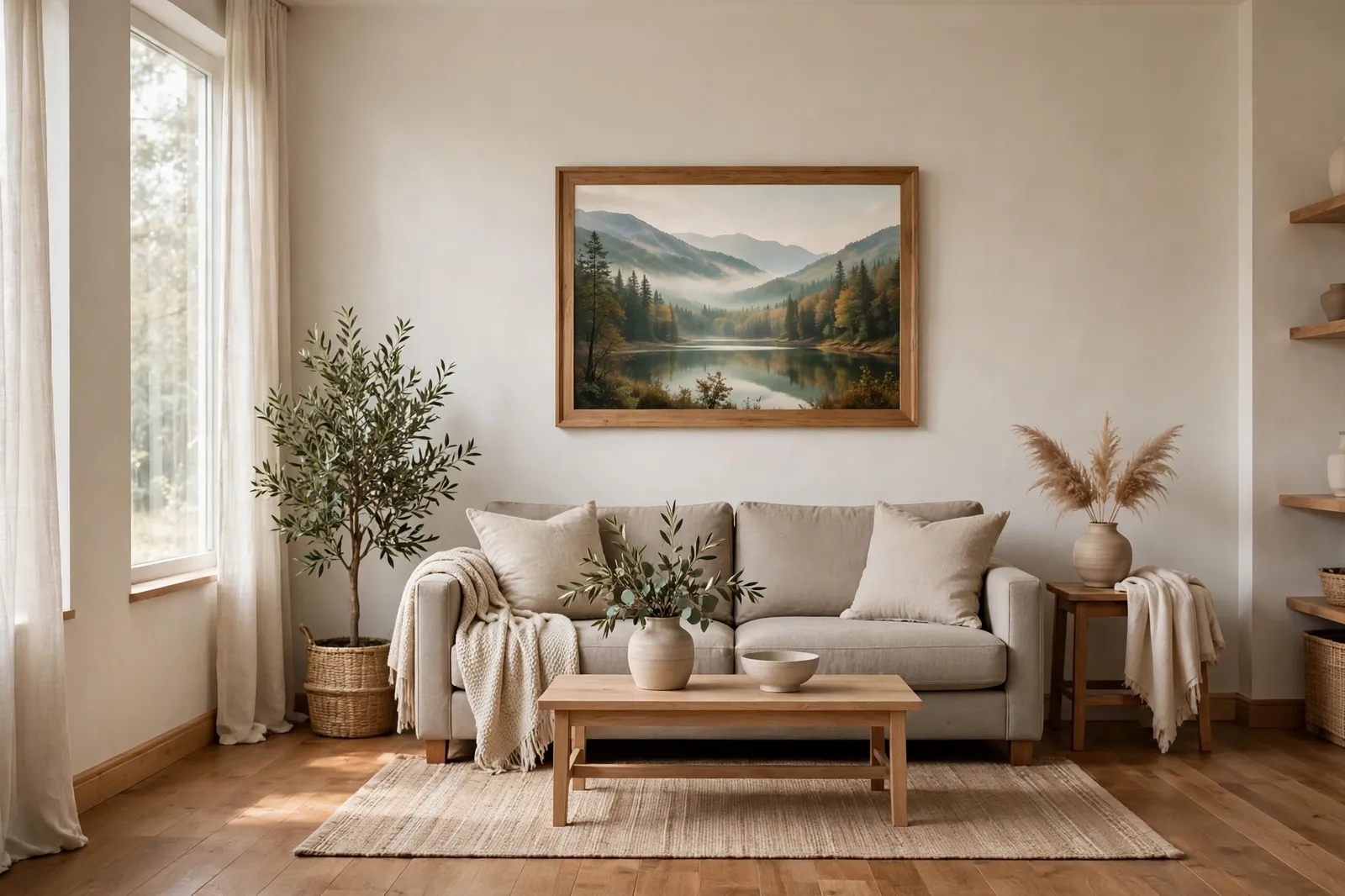
Pick one wall to be the star, usually the one behind the sofa or across from where you sit most. When one wall has a clear focus, the rest of the room feels calmer and less cluttered. It also saves you money, because you are not trying to fill every inch of every wall at once.
Stand back and look at that wall from the doorway. Notice its size, the furniture in front of it, and how much natural light it gets. A large, sunny wall can handle a big piece of art or a gallery grouping, while a smaller wall might just need one mirror or a pair of prints. Once that focal wall feels right, the other walls only need small touches to tie in.
Build a Gallery Wall That Actually Looks Planned
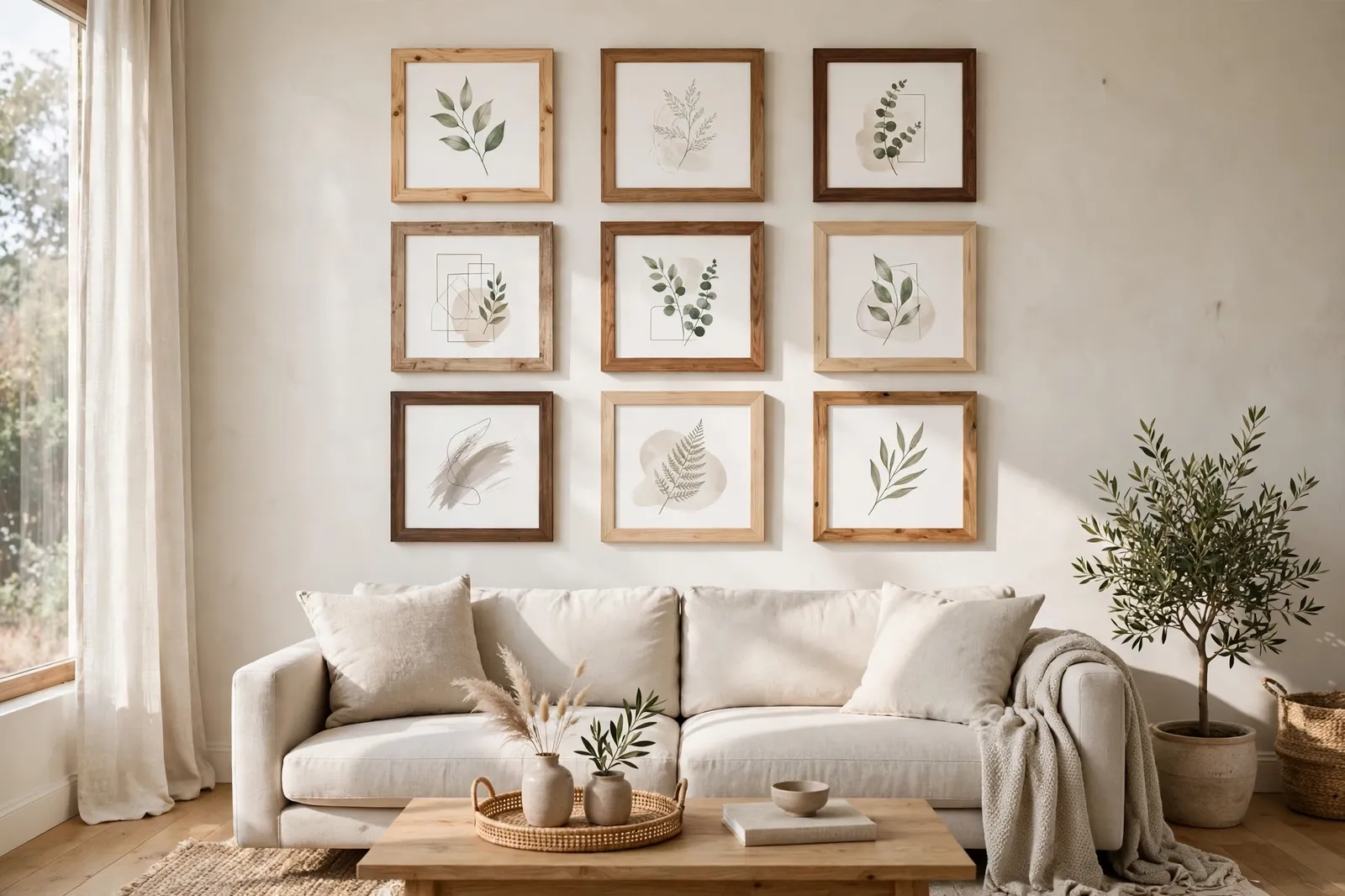
A gallery wall works best when it has a simple plan behind it. Start by laying your frames on the floor and moving them around until the grouping feels balanced. Keep the spacing even, about two to three inches apart, and let one larger piece anchor the whole arrangement.
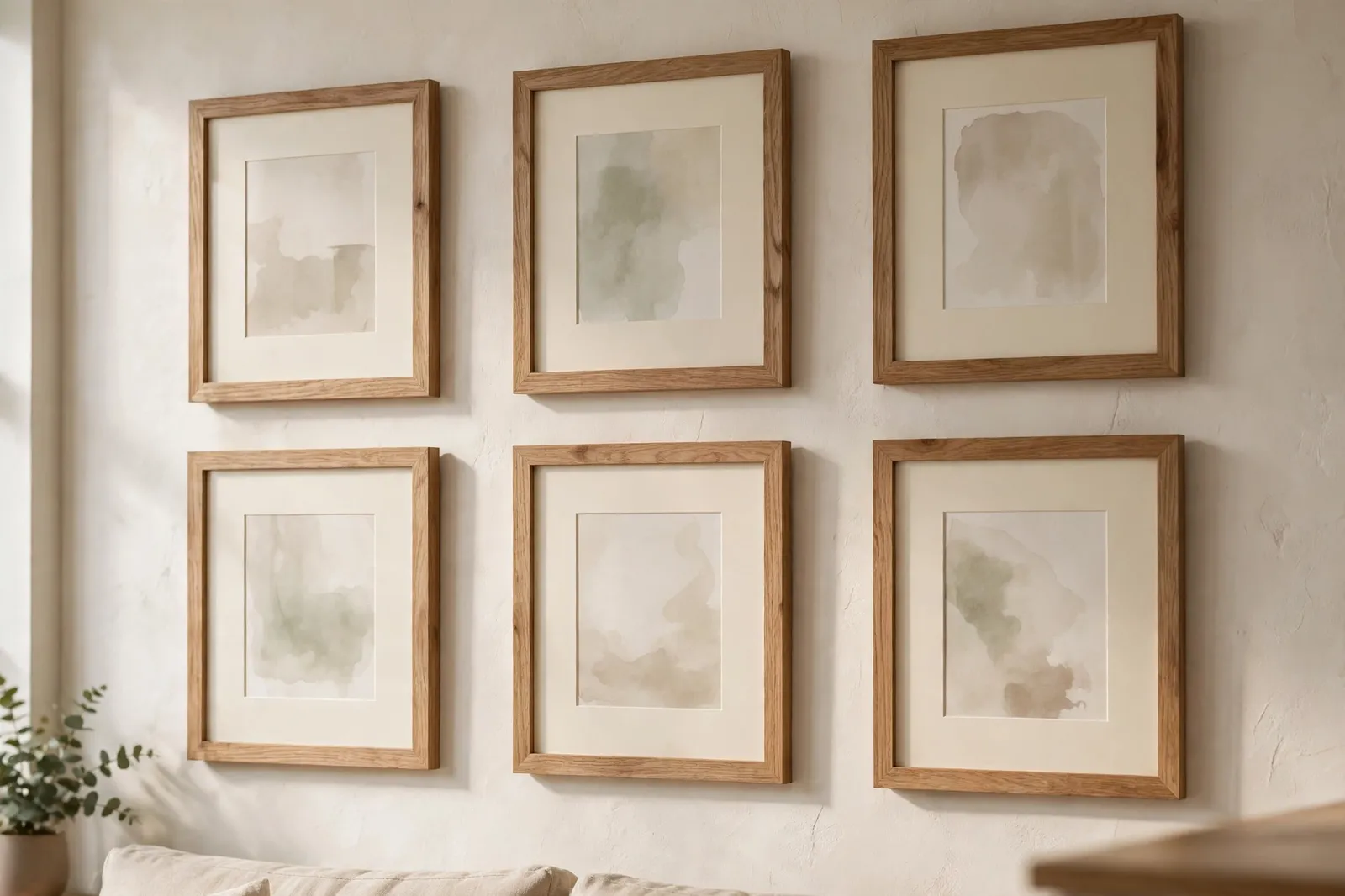
Mixing frame styles is fine, but try to keep one thing consistent, like the same frame color, the same mat color, or a similar subject. That one repeated detail is what keeps a mixed gallery from looking messy. If you are not sure where to start, a grid of same-size frames is an easy, tidy option that almost always looks good.
Go Big With Oversized Art
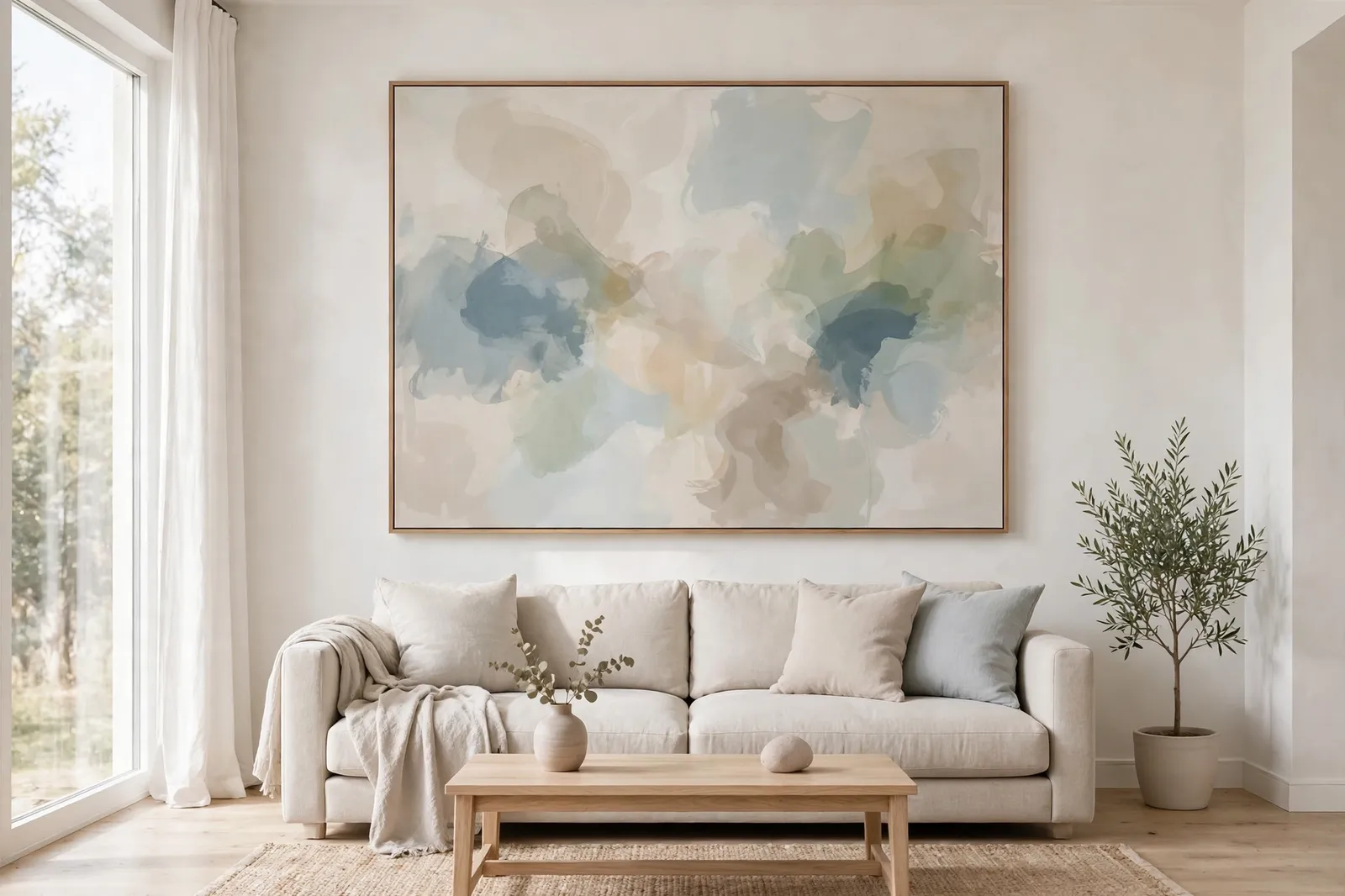
One large piece of art can do more than ten small ones. In a living room, oversized art above the sofa or on a long empty wall draws the eye right away and makes the room feel finished. Aim for art that is about two-thirds the width of the sofa below it, so it looks sized for the space rather than lost on the wall.
Keep the rest of the wall simple when you go big. A large landscape print, an abstract canvas in soft colors, or a framed textile can stand on its own without extra pieces crowding it. Hang it so the center sits at about eye level, around 57 to 60 inches from the floor, and step back to check it from your usual seat.
Use Mirrors to Open Up the Room
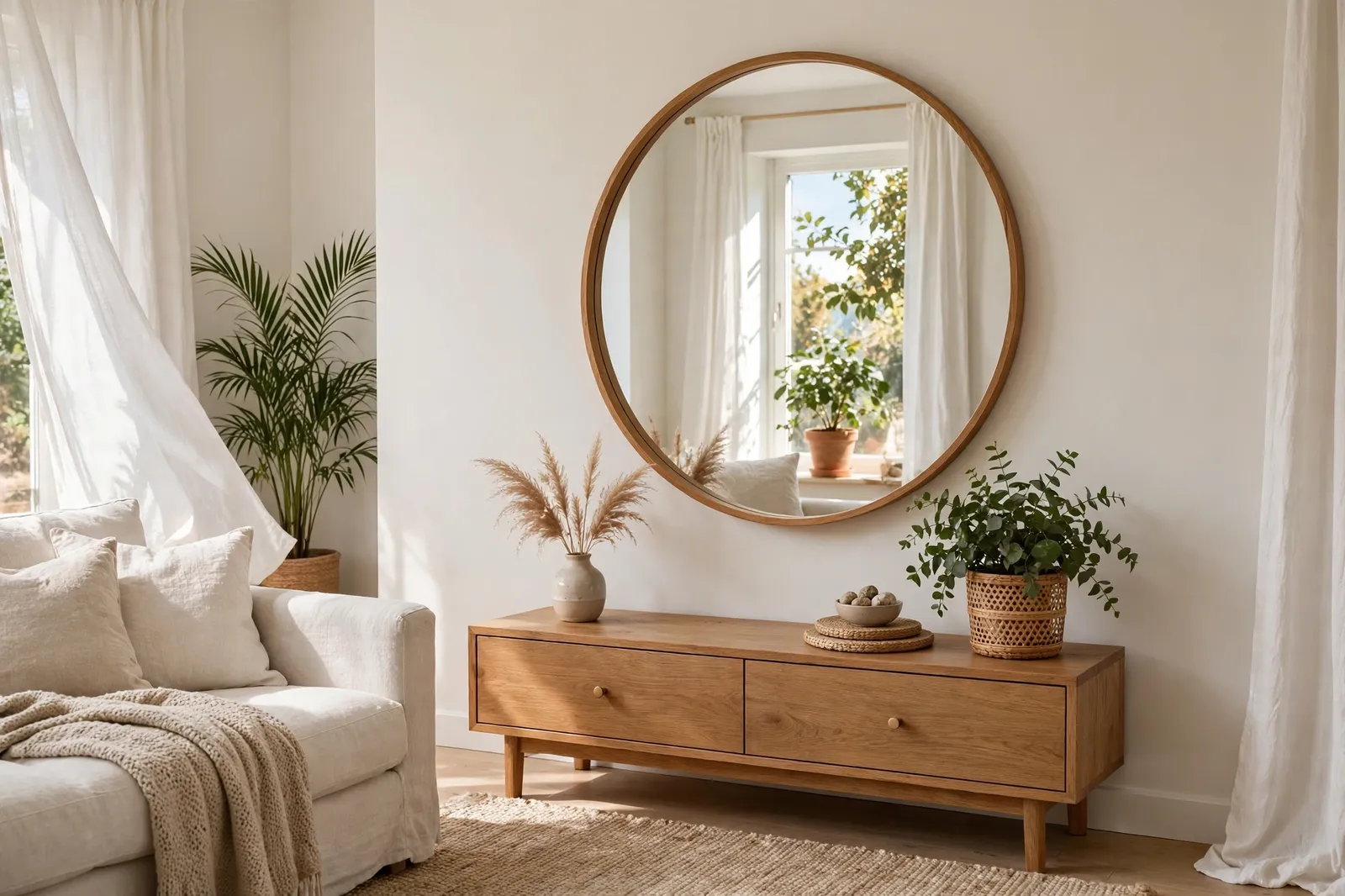
Mirrors are one of the easiest ways to make a living room feel brighter and bigger. A mirror across from a window bounces light around the room, while a mirror above a console or fireplace adds a soft glow in the evening. Round mirrors feel relaxed, arched mirrors feel a little more classic, and a large rectangular mirror feels clean and modern.
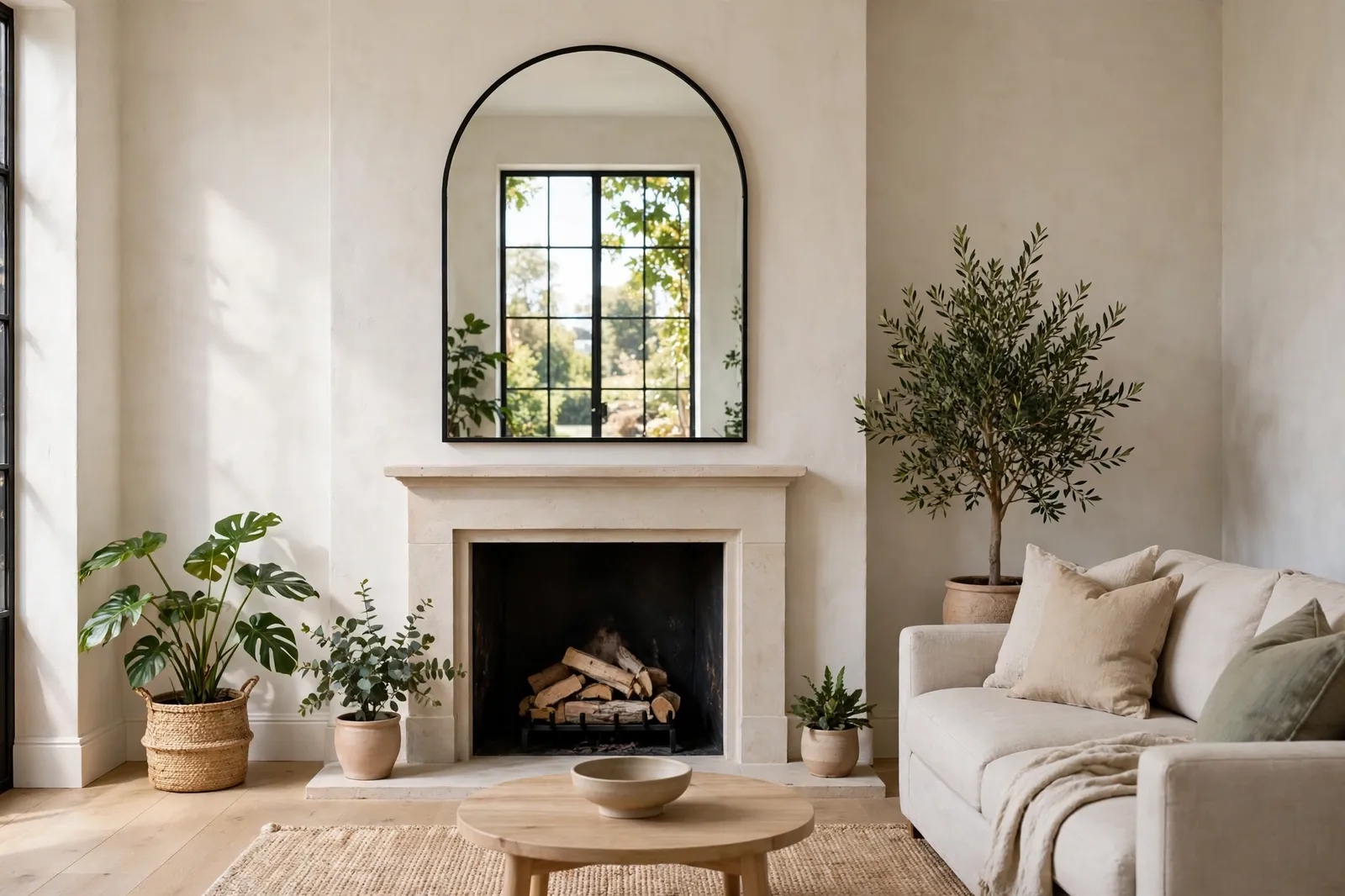
Hang a mirror the same way you would hang art, with its center near eye level, and make sure it reflects something nice, like a window, a plant, or a pretty corner, not a blank wall or a pile of clutter. In a small room, one good mirror often beats a whole wall of small decor.
Add Shelves for Art and Everyday Objects
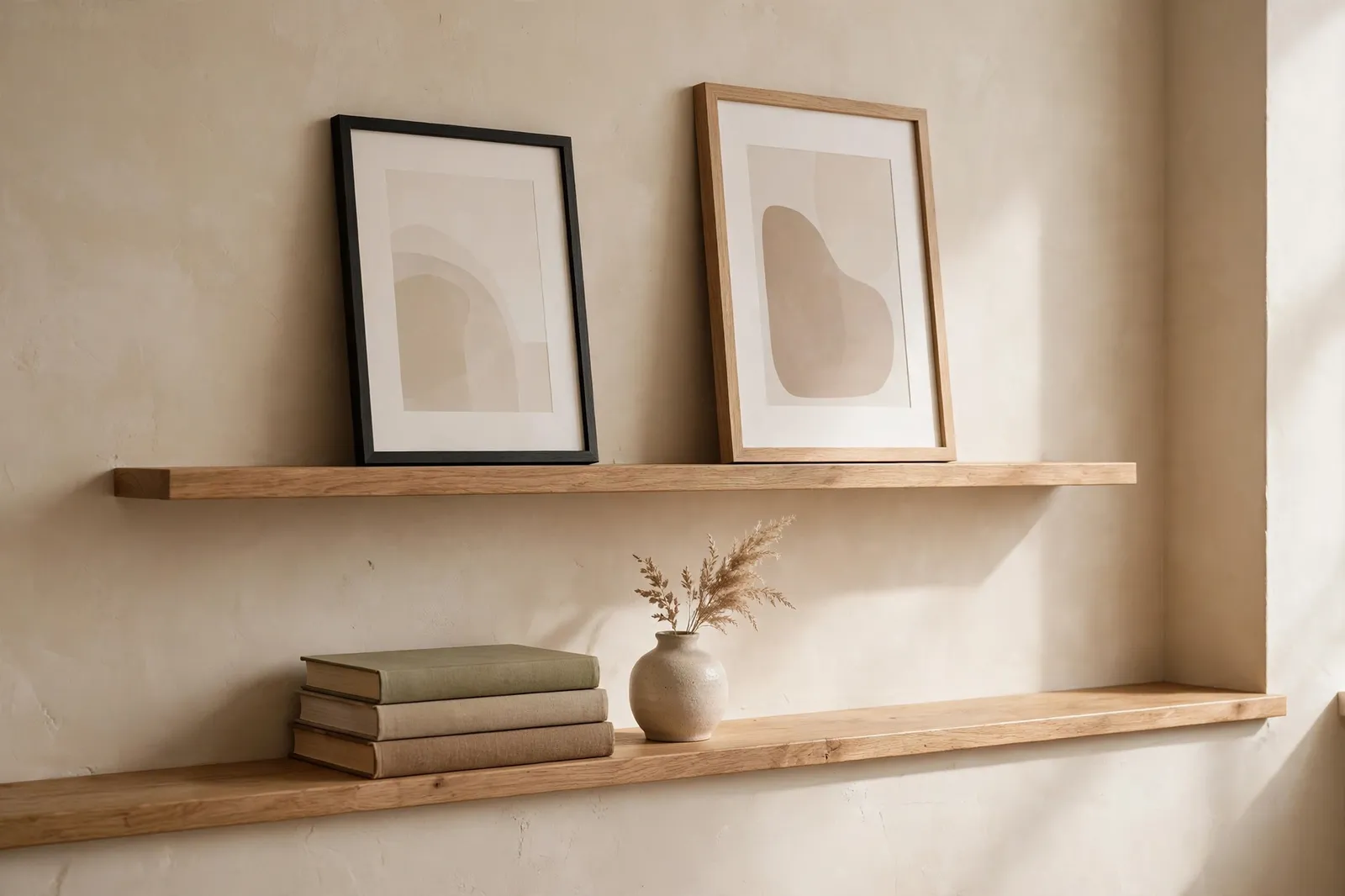
Picture ledges and floating shelves give you wall decor you can change without new holes every time. Lean a few framed prints on a ledge, add a small vase or a stack of books, and you have a display that feels collected rather than staged. Shelves also work well in spots where a big frame would feel too heavy, like a narrow hallway wall or beside a window.
Keep shelves from getting crowded. Leave some breathing room between objects, and repeat a color or material, like wood, brass, or ceramic, so the shelf feels connected to the rest of the room. When you want a fresh look, just swap one or two pieces instead of redoing the whole shelf.
Try Texture: Panels, Wood, and Wainscoting
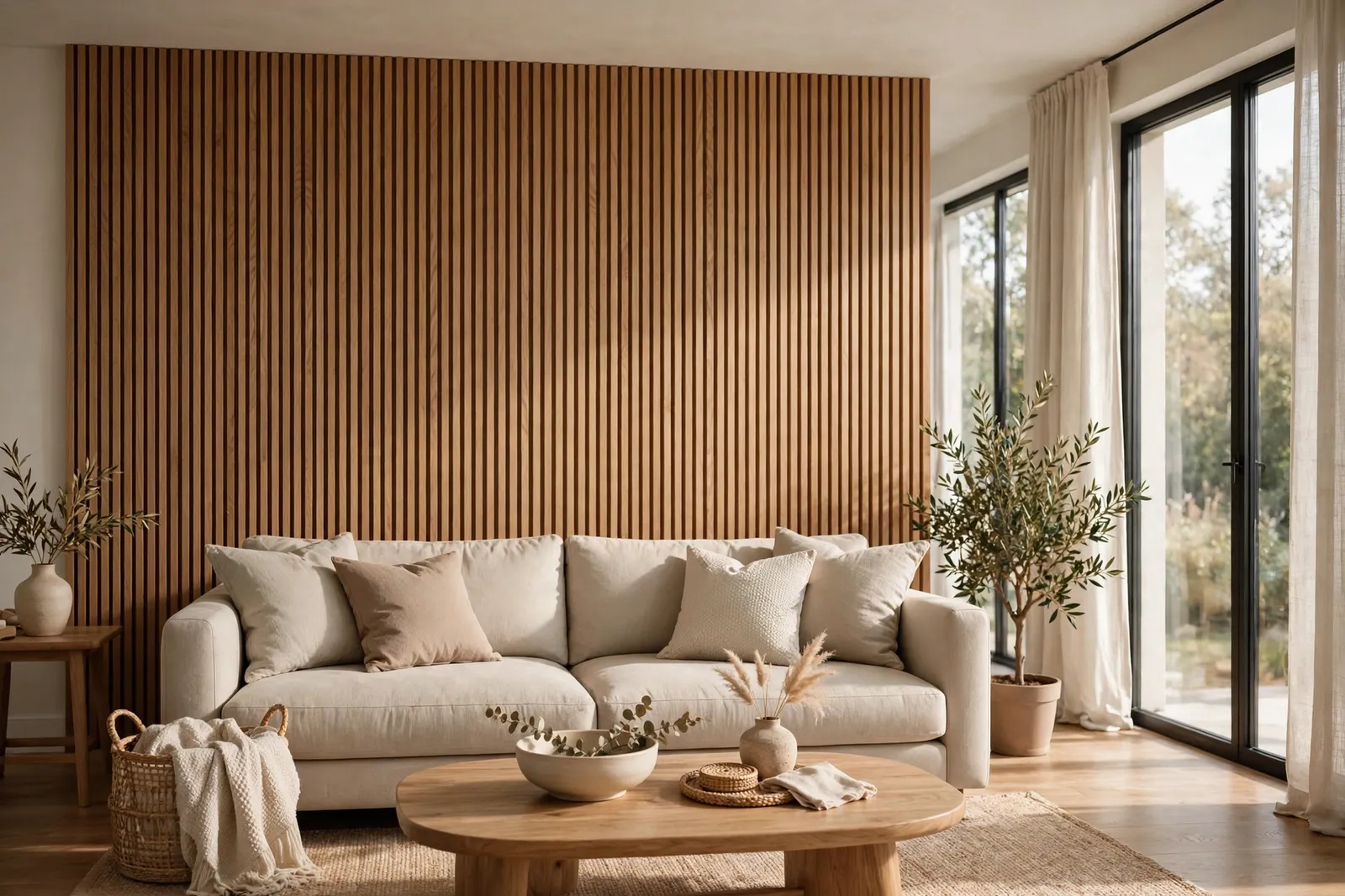
Not all wall decor has to hang on the wall. Wood slats, simple panel molding, beadboard, or a woven wall hanging can add warmth and depth that a flat print cannot. These textures work especially well in neutral rooms, where they add interest without adding a lot of color.
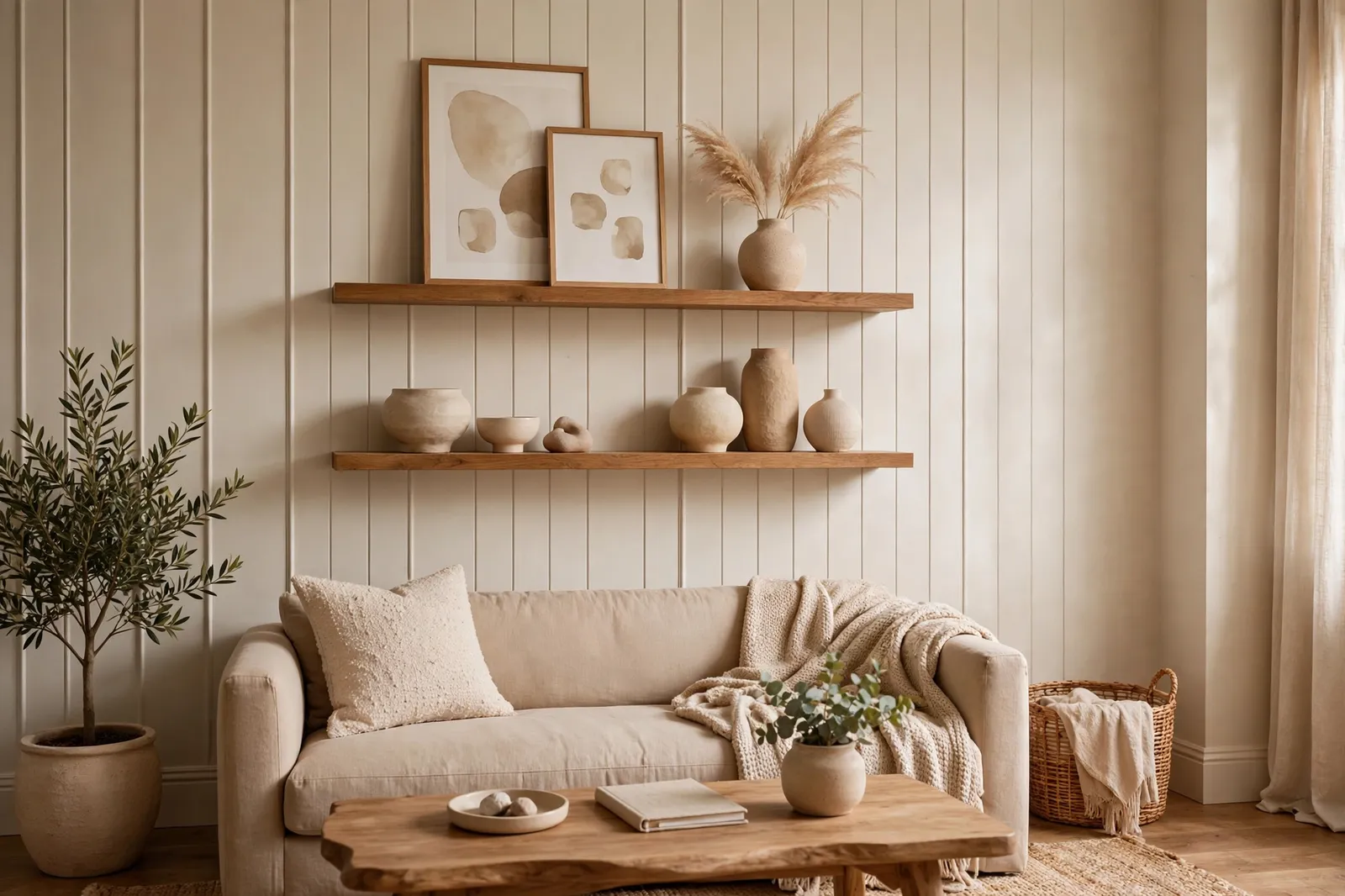
If you rent, look for peel-and-stick panels or lightweight woven pieces that come down cleanly. If you own your home, even one paneled accent wall behind the sofa can change how the whole room feels. Pair textured walls with simple art and soft fabrics so the room stays cozy, not busy.
Mix Prints, Photos, and Woven Pieces
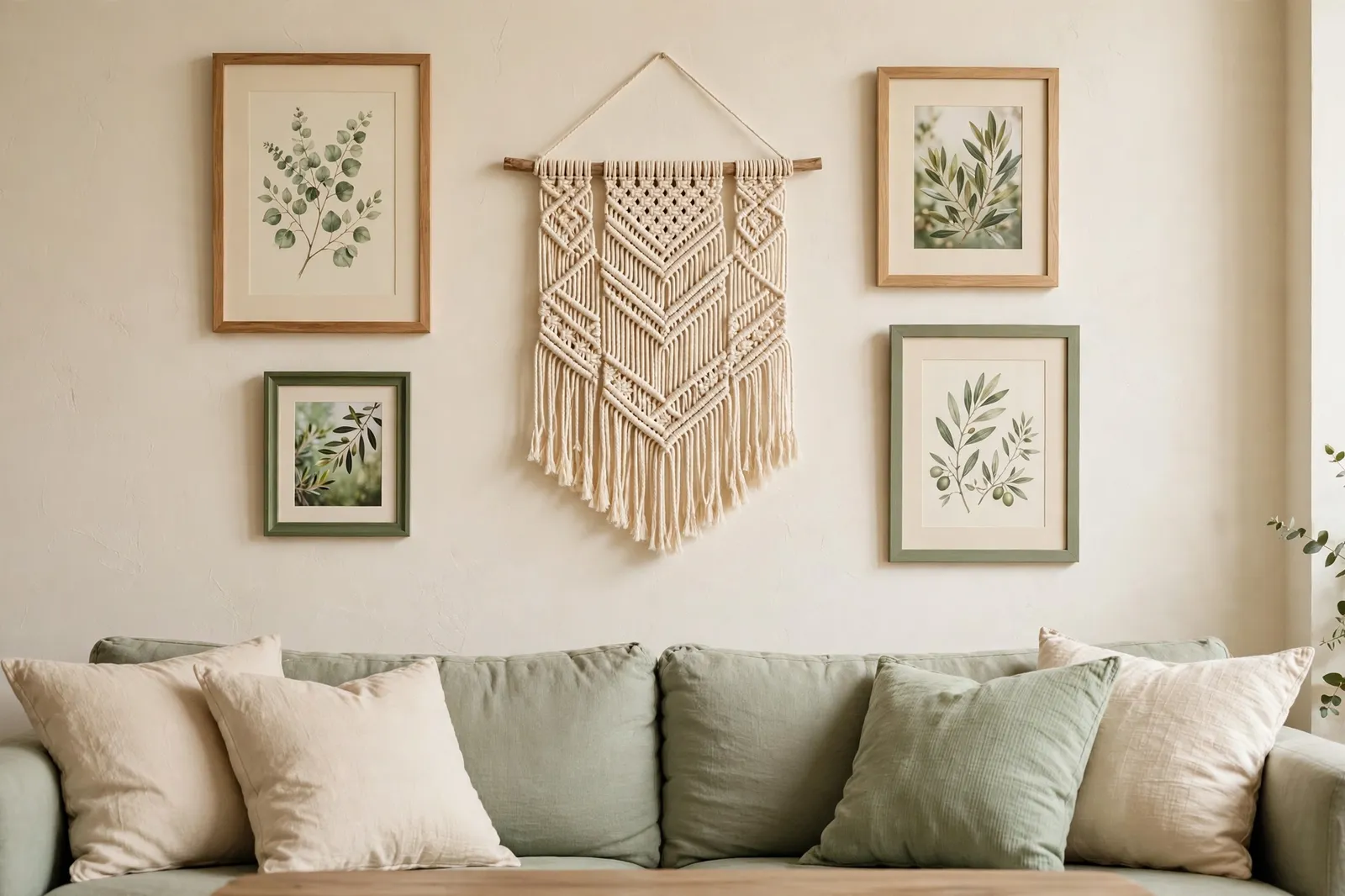
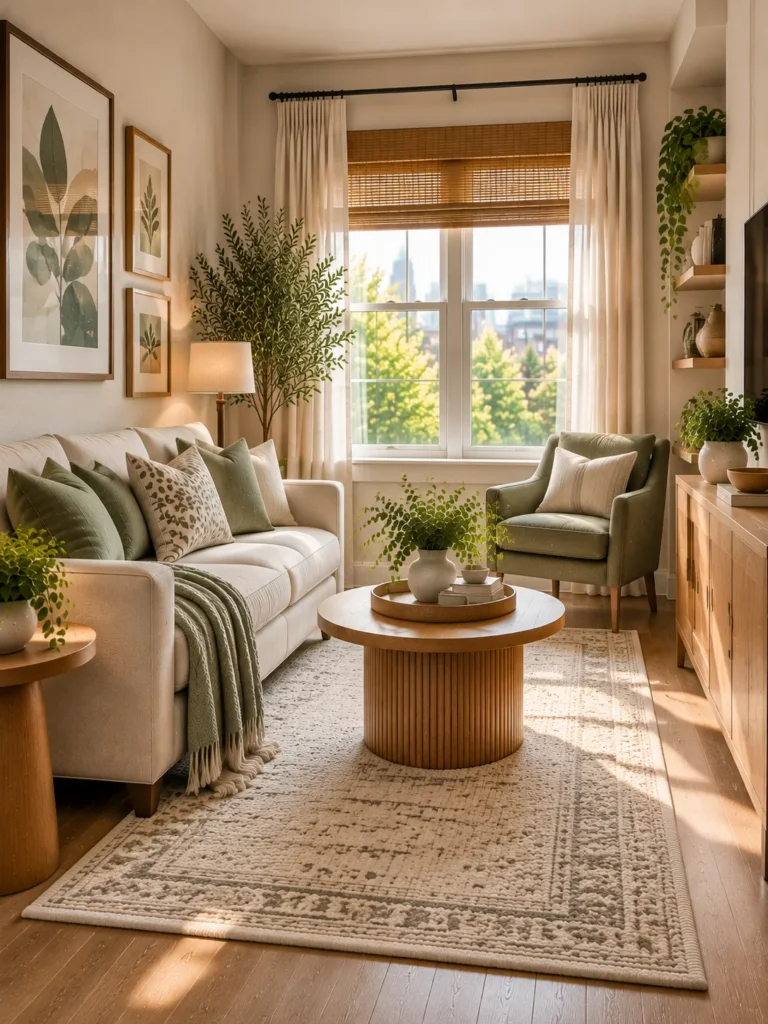
A living room wall feels more personal when it mixes different kinds of pieces. Botanical prints, family photos in simple frames, a woven wall hanging, and a small mirror can all live together if they share a calm color palette. The mix keeps the wall from looking like a store display and more like a home that grew over time.
Try grouping pieces by feeling rather than by exact match. Soft greens, warm wood tones, and cream can tie together prints from different places. Keep photo frames simple so the photos themselves stand out, and leave a little empty wall space around each grouping so the eye has somewhere to rest.
Style Small Walls and Awkward Corners
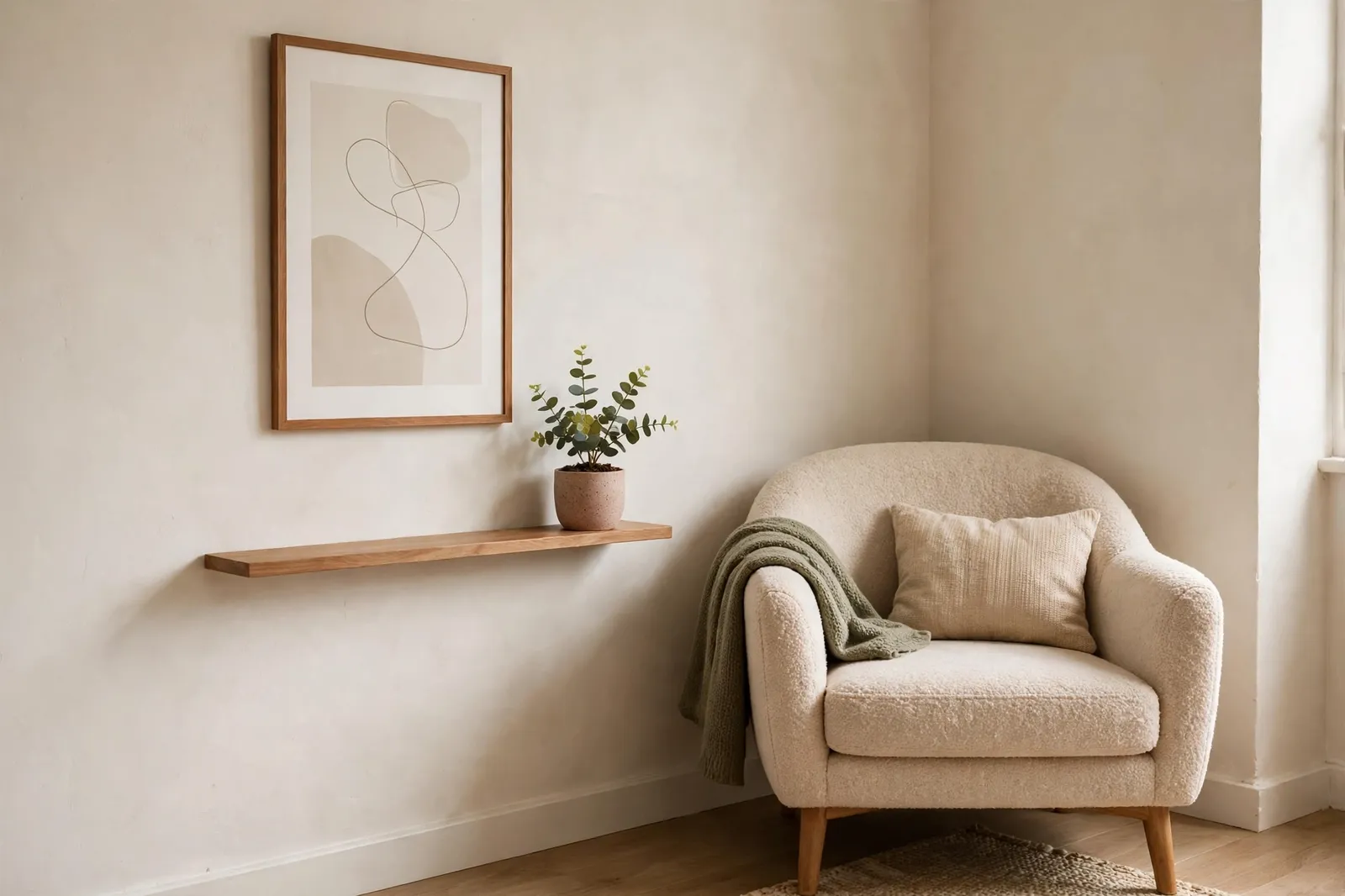
Small walls and awkward corners are easy to forget, but they are often where a room feels unfinished. A single vertical print, a narrow shelf with a plant, or a small round mirror can fill a tight spot without making it feel crowded. In a corner, two small pieces hung at the same height on each wall can pull the corner together.
Measure before you buy for these spots. A piece that is too large will crowd a small wall, while a piece that is too small will look lost. When in doubt, go a little larger than you think, and hang it a touch lower than usual so it connects with the furniture nearby.
Swap Pieces Seasonally Without Starting Over
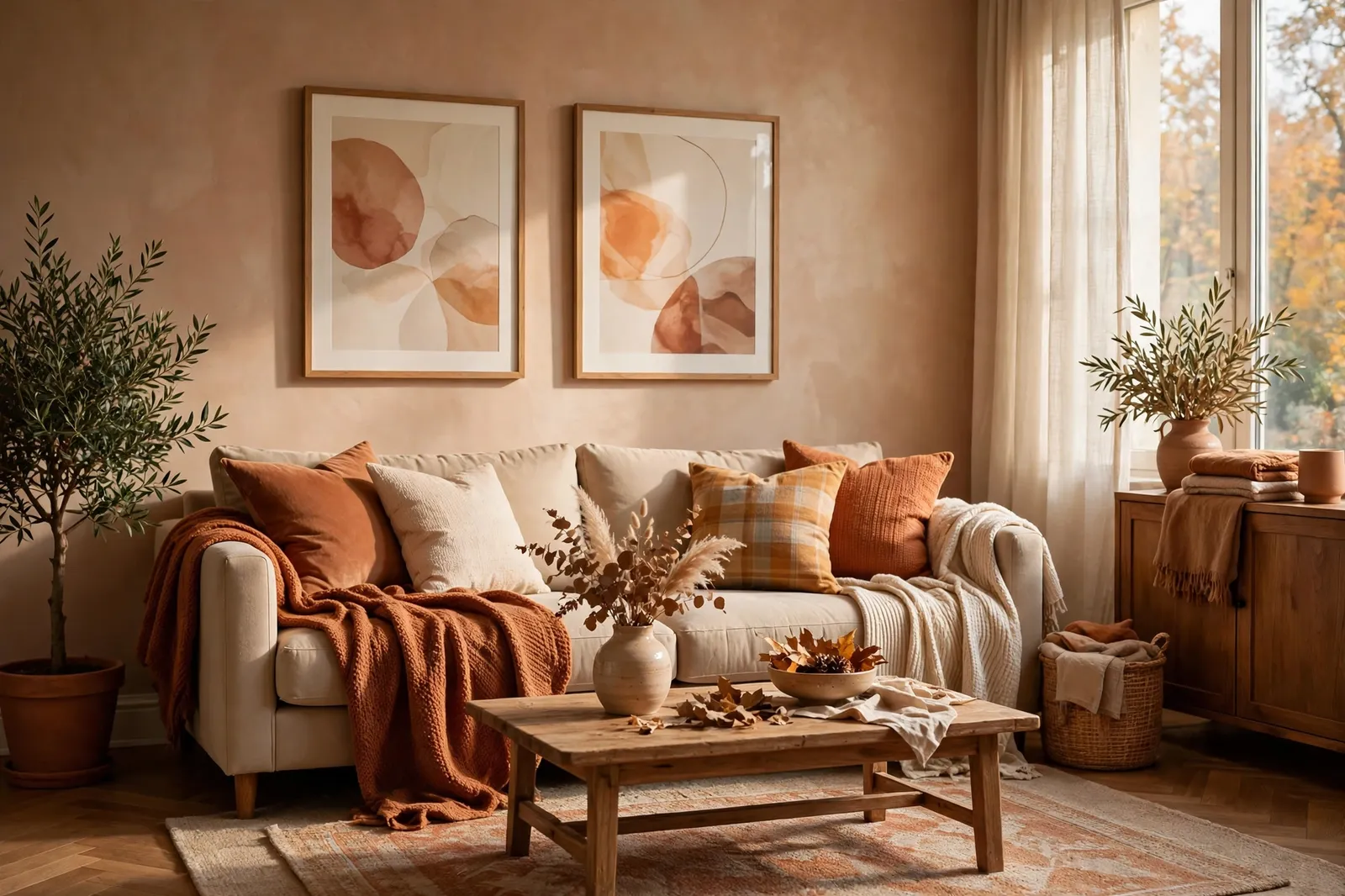
You do not need to redecorate the whole room to make it feel fresh. Keep your main frames and shelves in place, and just swap the art or objects inside them a few times a year. Lighter prints and airy greens feel right in spring and summer, while warmer tones and cozier textures suit fall and winter.
Store a few extra prints flat in a closet or under a bed, and rotate them in when you want a change. This keeps your wall decor feeling new without spending much, and it lets you try out a new color or style before committing to it for good.
Frequently Asked Questions
How high should I hang art in my living room?
Hang art so the center is about 57 to 60 inches from the floor, which is close to eye level for most people. Above a sofa, leave about six to eight inches between the bottom of the frame and the top of the sofa so the art feels connected to the furniture, not floating above it.
How do I choose the right size of art for my wall?
Measure the wall and the furniture below it first. For art above a sofa, aim for a piece or grouping about two-thirds the width of the sofa. For a long empty wall, one large piece usually looks better than several tiny ones scattered across it.
Can I mix different frame styles on one wall?
Yes, mixing frames works well as long as one detail stays consistent. Keep the frame color the same, use matching mats, or stick to a similar style of art. That one repeated detail keeps the whole grouping looking planned rather than random.
What wall decor works best if I rent?
Lean art on picture ledges, use adhesive hooks rated for the weight, and try peel-and-stick panels or woven hangings that come down cleanly. These options let you decorate fully without drilling lots of holes, and they are easy to take with you when you move.
If you are refreshing your walls, it helps to look at the room as a whole. These living room decorating ideas show how wall color, furniture, and layout work together, while these cozy living room ideas focus on soft textures and warm touches that pair well with simple wall art. For tighter spaces, these small living room decorating ideas show how to keep walls light and uncluttered without leaving them bare. Also explore how to arrange living room furniture for better flow and coffee table styling ideas.