Small Bedroom Ideas to Make a Room Feel Bigger
A small bedroom can feel cramped, or it can feel cozy and smart — and the difference is rarely about square footage. It is about how you use the walls, the light, and the furniture you already have. With a few changes, a small room can feel open, calm, and easy to live in.
You do not need to knock down walls or buy all new furniture. Most of the ideas below use what you already own, rearranged or simplified. Start with the ones that bother you most — usually light, storage, or the bed placement — and work from there.
1. Use Light Colors, and Keep Them Simple
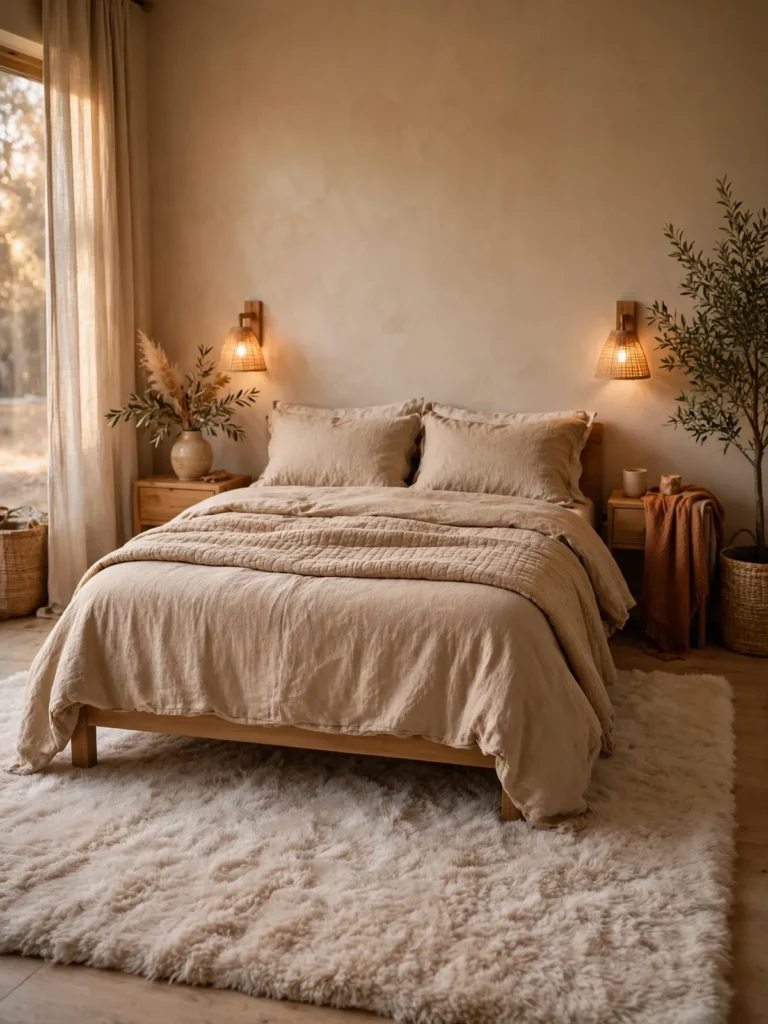
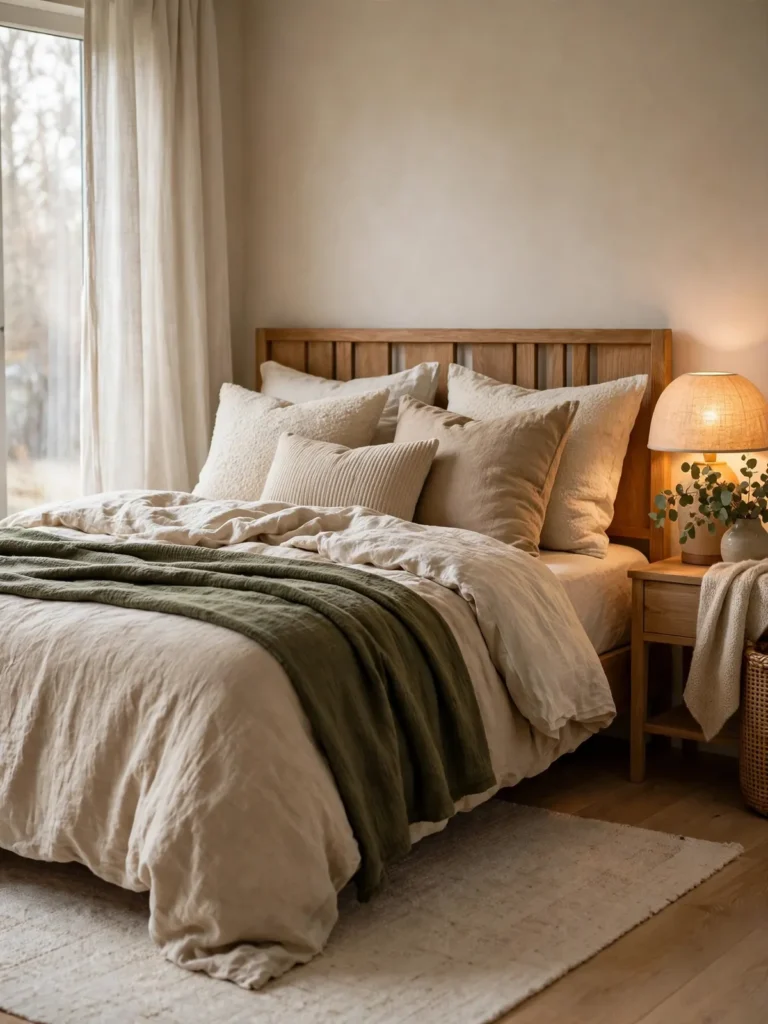
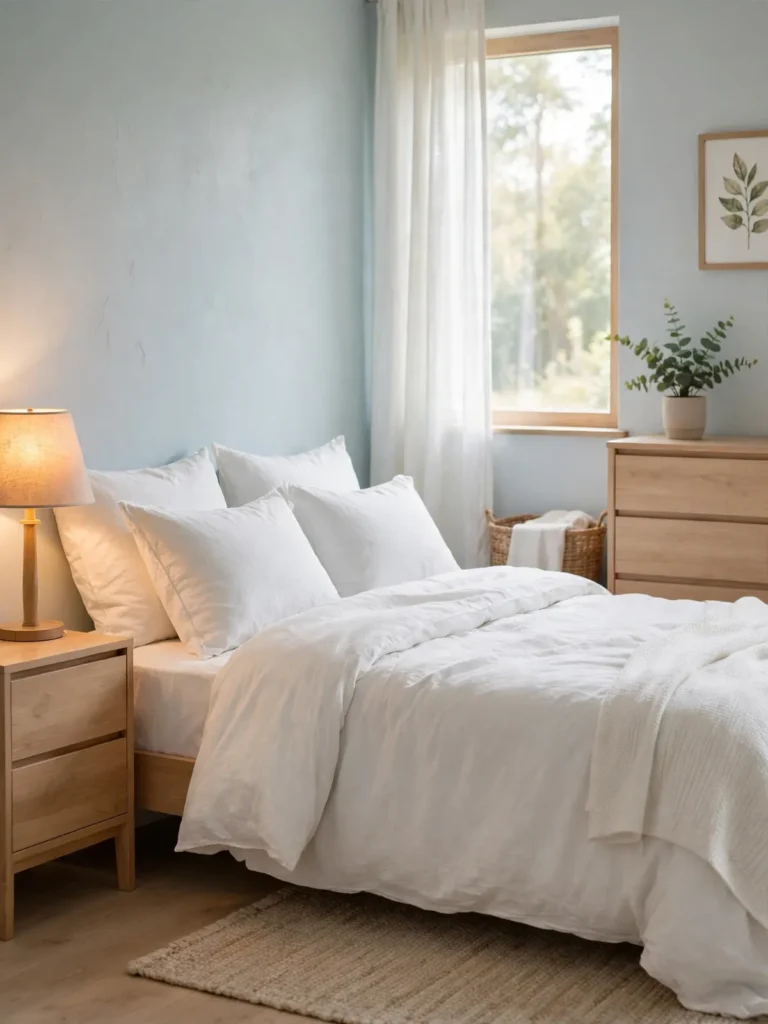
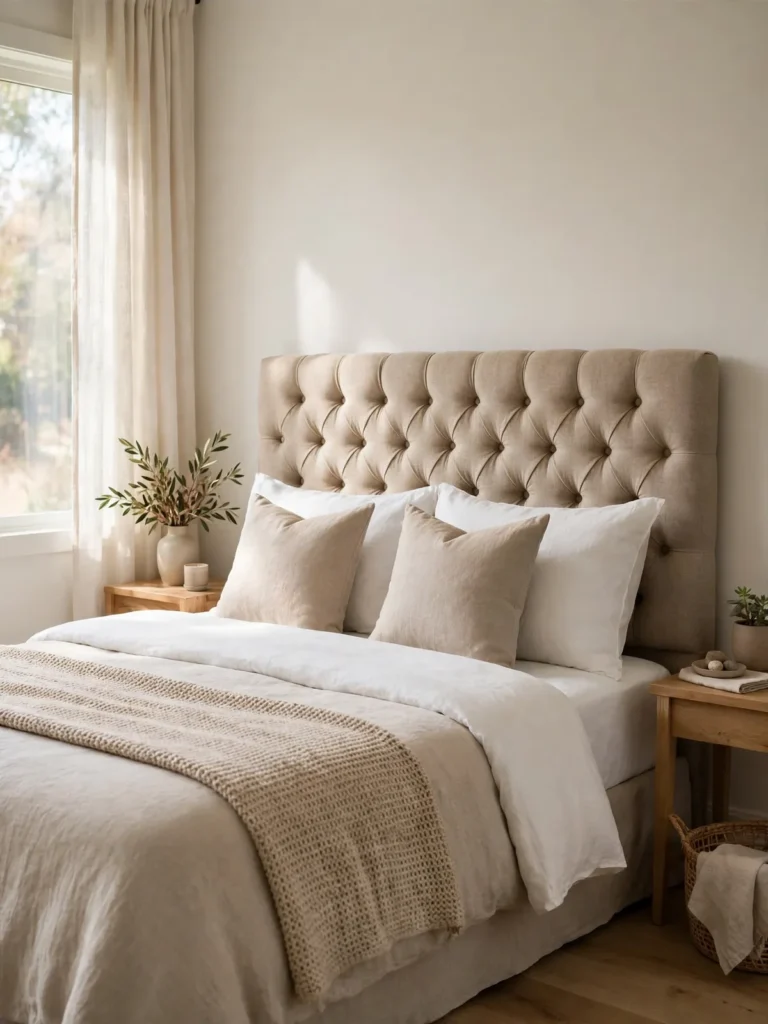
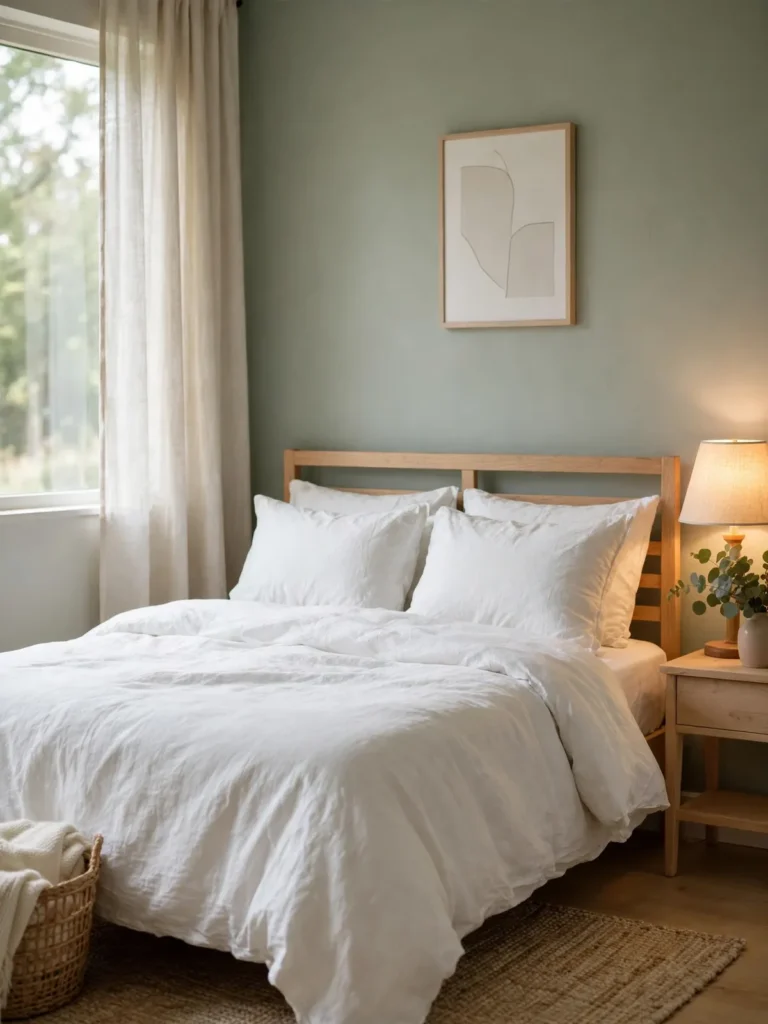
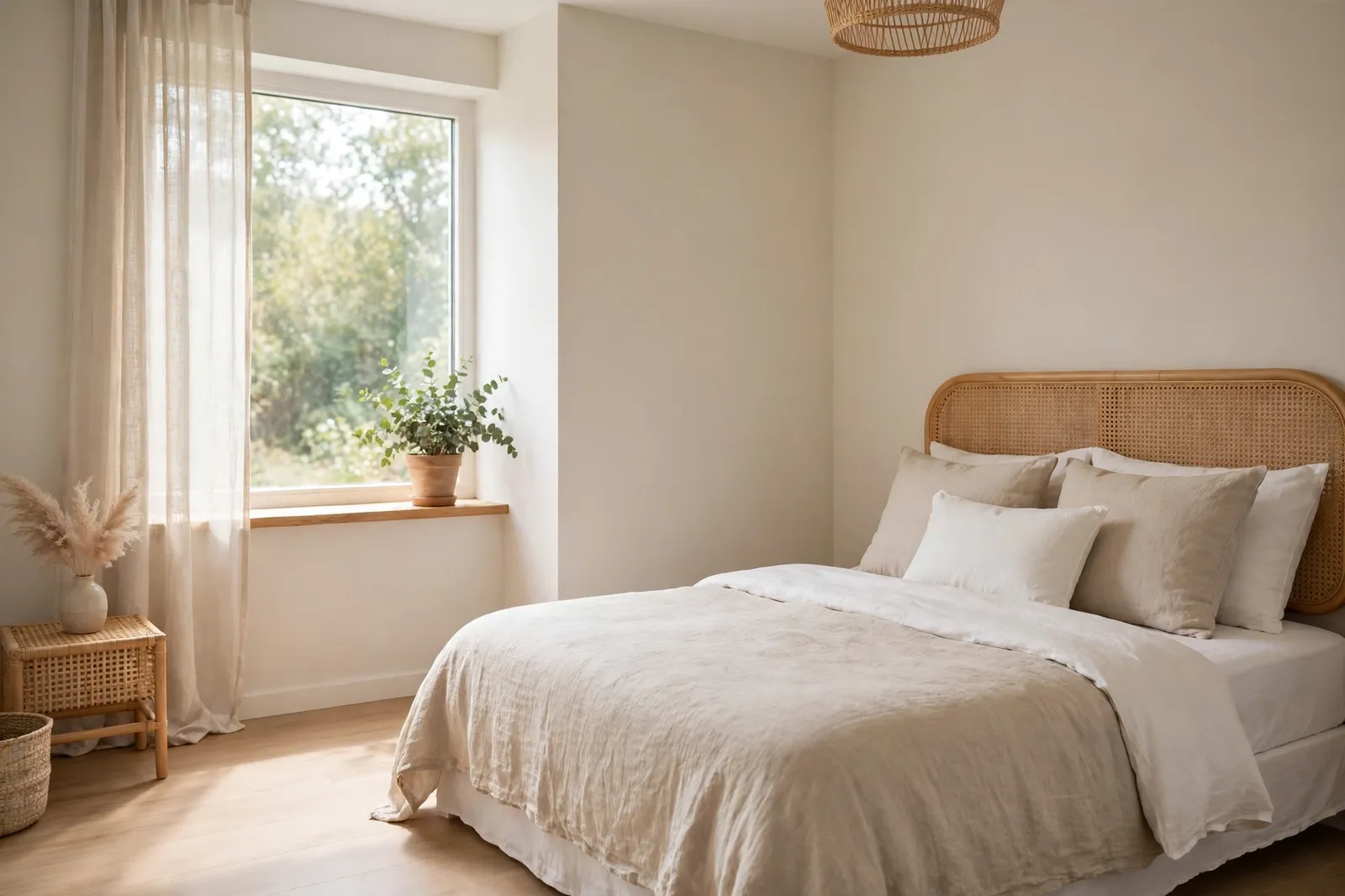
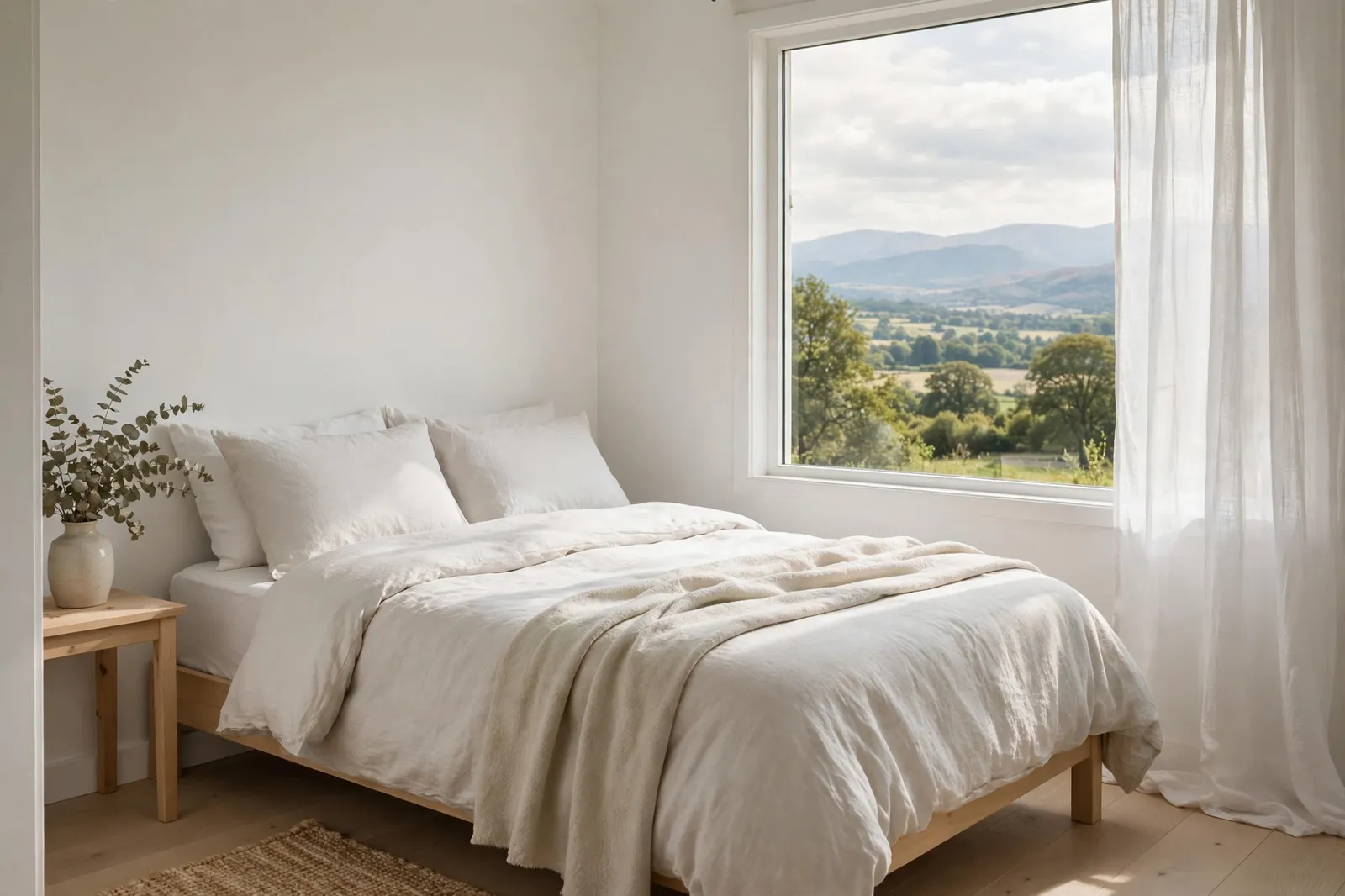
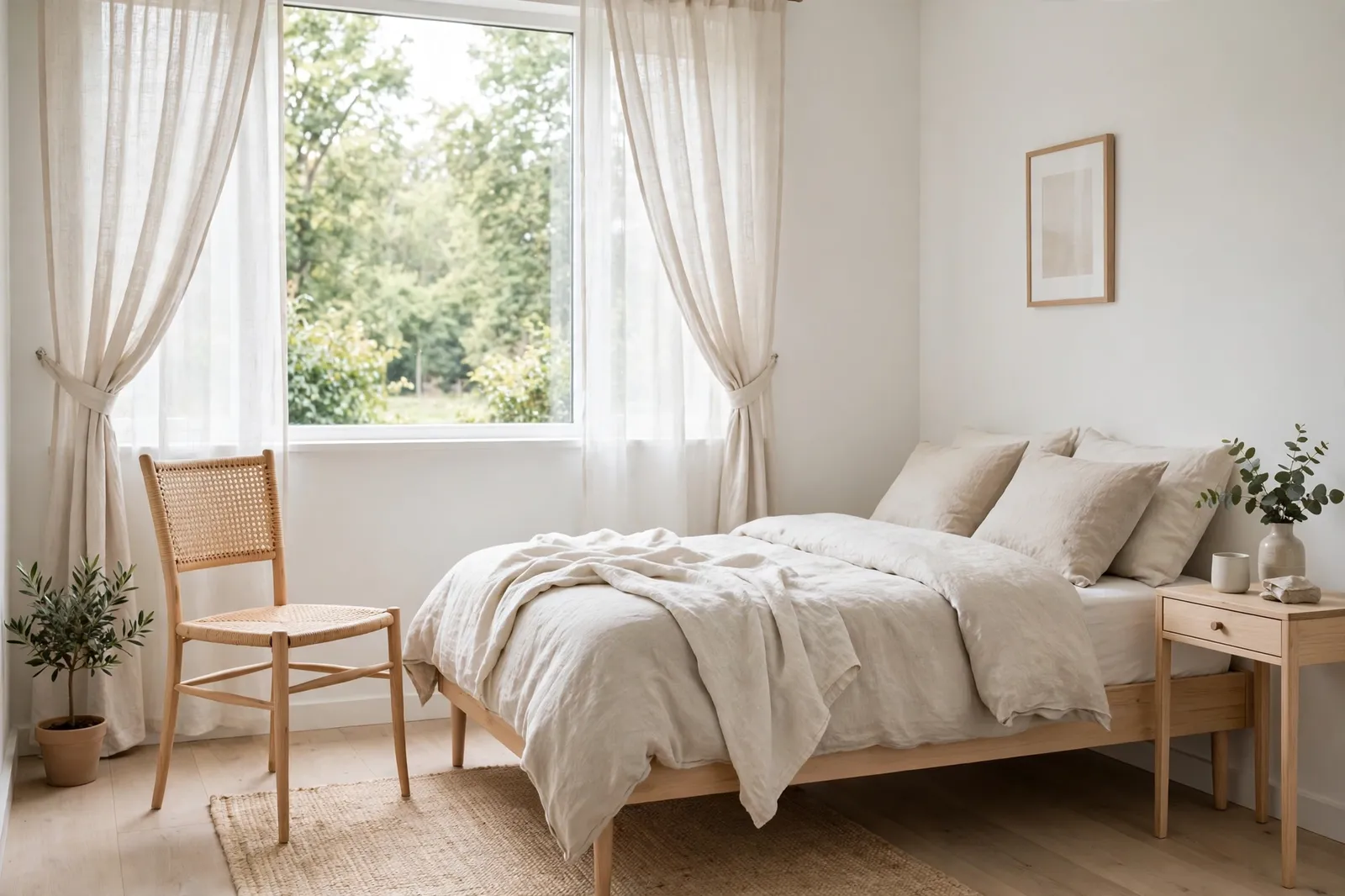
Light colors reflect light and make walls feel farther away, which is exactly what a small bedroom needs. Soft white, pale beige, light grey, and pale sage all work well. The trick is keeping the palette simple: one main light color on the walls and bedding, with one slightly darker accent, rather than a mix of many colors competing for attention.
Paint the ceiling the same light color as the walls, or a shade lighter, so there is no hard line cutting the room in half. If you love color, bring it in through pillows, art, or a throw — small pieces you can change easily — and keep the big surfaces light. A room painted in one calm, light color almost always feels larger than the same room in several darker ones.
2. Place the Bed Where It Works Best
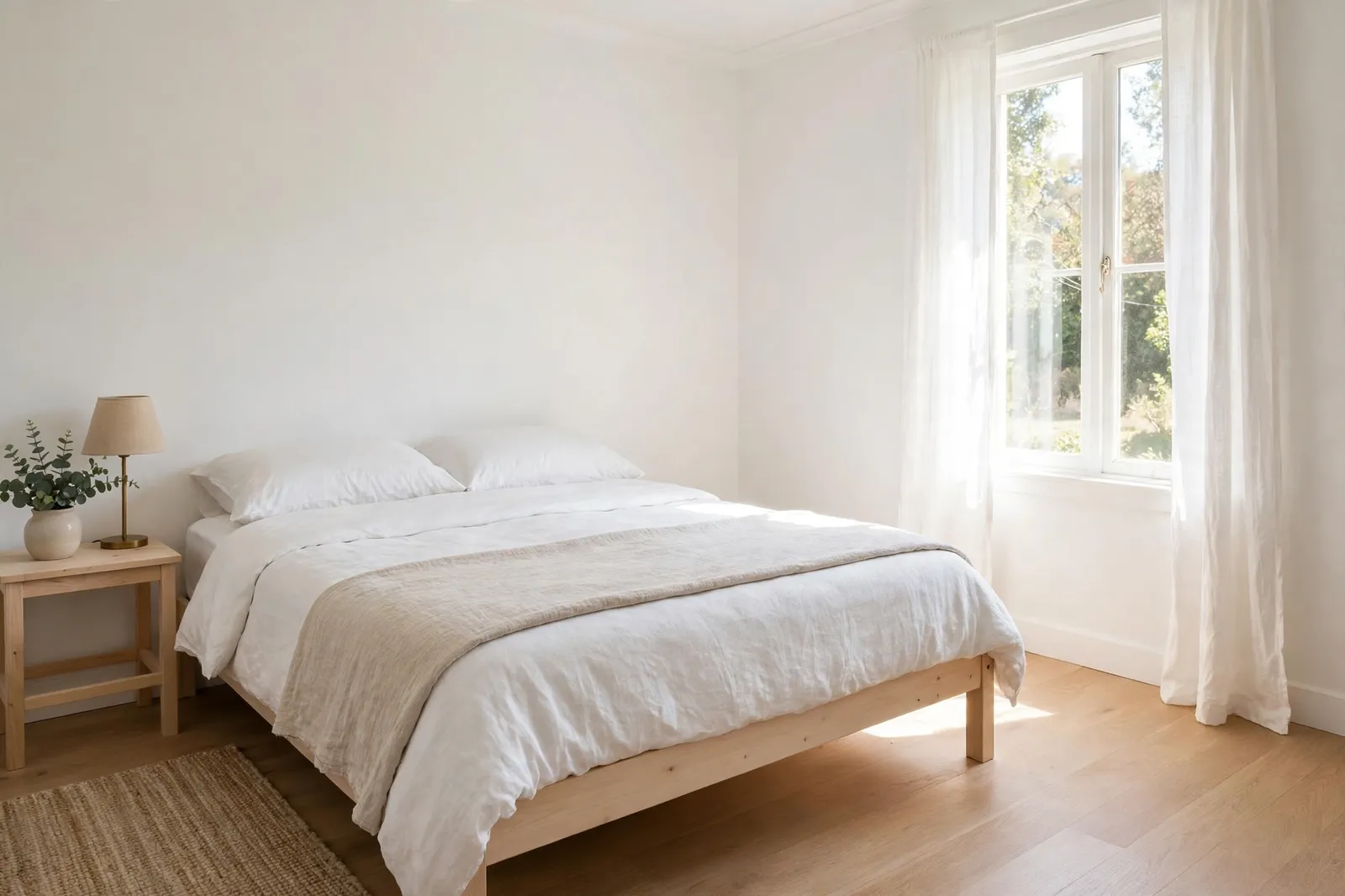
In a small bedroom, bed placement makes the biggest difference. Pushing the bed against a wall, rather than centering it with space on both sides, can free up a surprising amount of floor. It also leaves room for a dresser or a desk that would otherwise have nowhere to go.
If you share the bed, try putting the headboard on the longest wall so both sides still have a path, even if one side is narrower. Keep at least enough space to get in and out comfortably — you do not need a wide aisle, just a clear one. Avoid blocking the door swing or the closet with the bed, since that makes the whole room feel awkward every day.
3. Use the Walls and Vertical Space
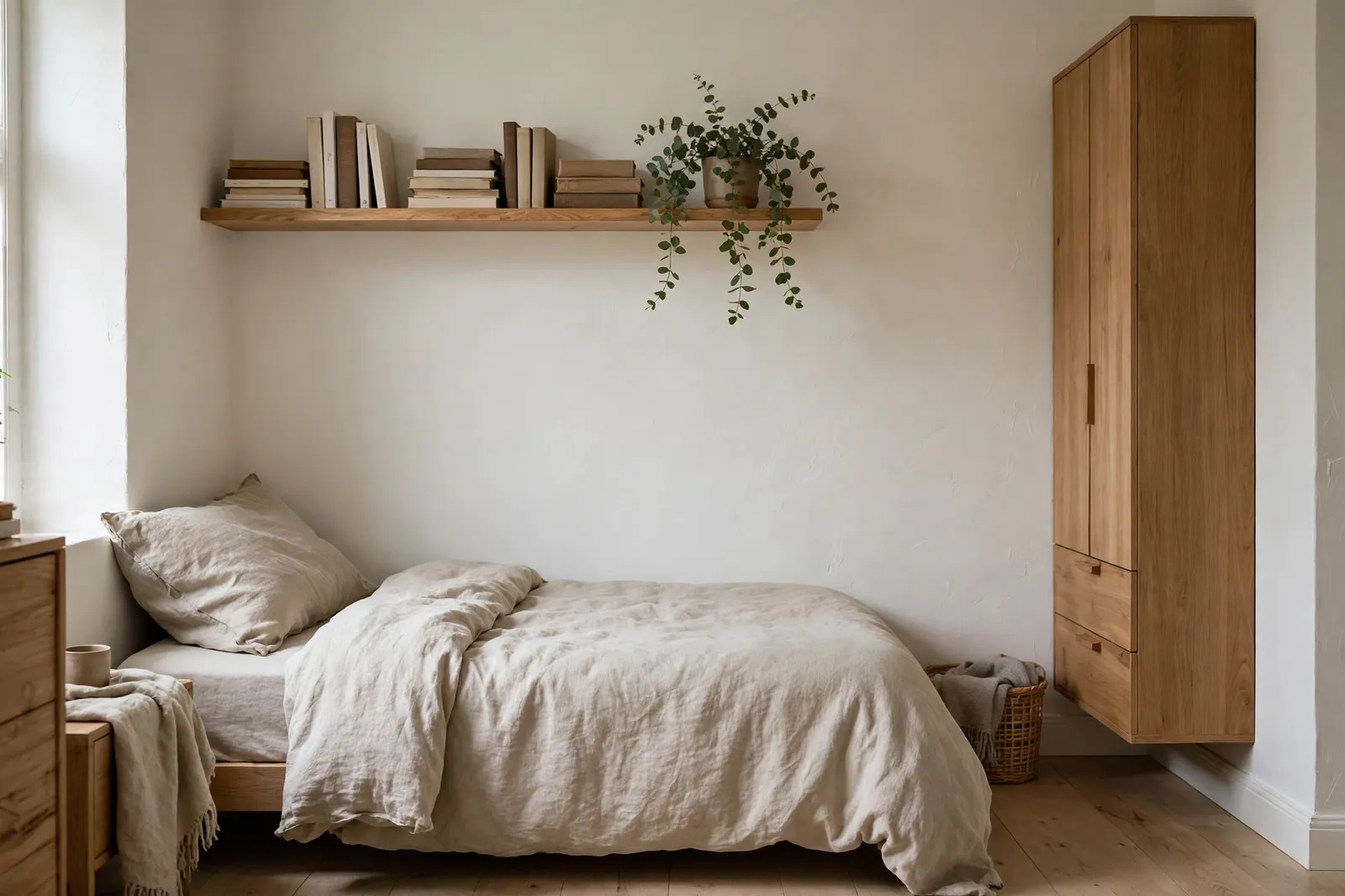
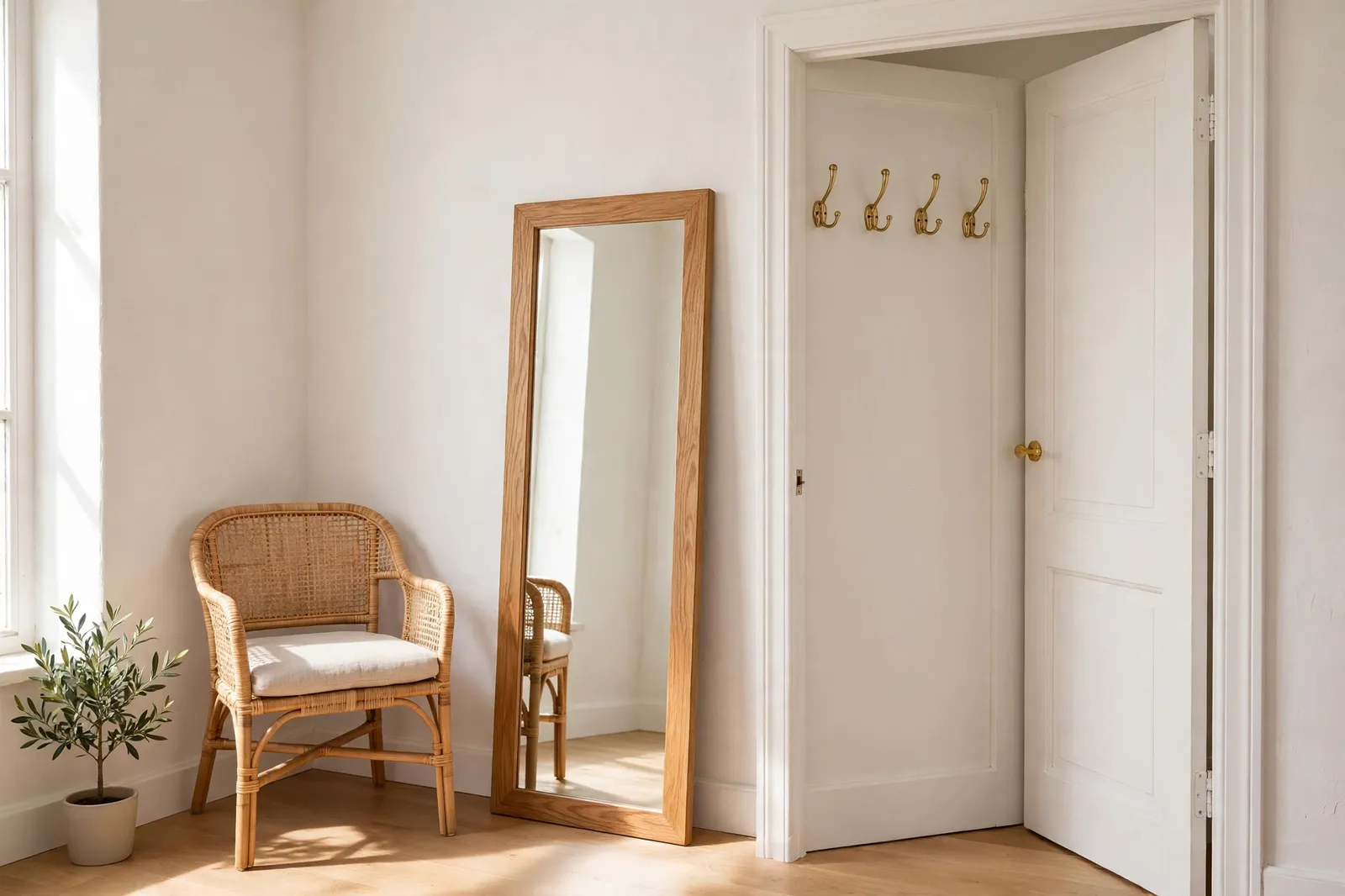
When floor space is tight, the walls are your best friend. Floating shelves above the bed or the desk hold books and plants without taking up floor space. Hooks behind the door, a wall-mounted lamp instead of a table lamp, and a tall, narrow bookcase all use vertical space that usually goes to waste.
Go high with storage where you can: a shelf near the ceiling for boxes you rarely need, or a tall wardrobe instead of a wide dresser. Keep the lower part of the walls clear, though — furniture that sits low and leaves wall space above it makes a room feel taller. A few well-placed shelves look intentional; a wall covered in small shelves can start to feel busy, so edit as you go.
4. Place Mirrors Where They Help Most
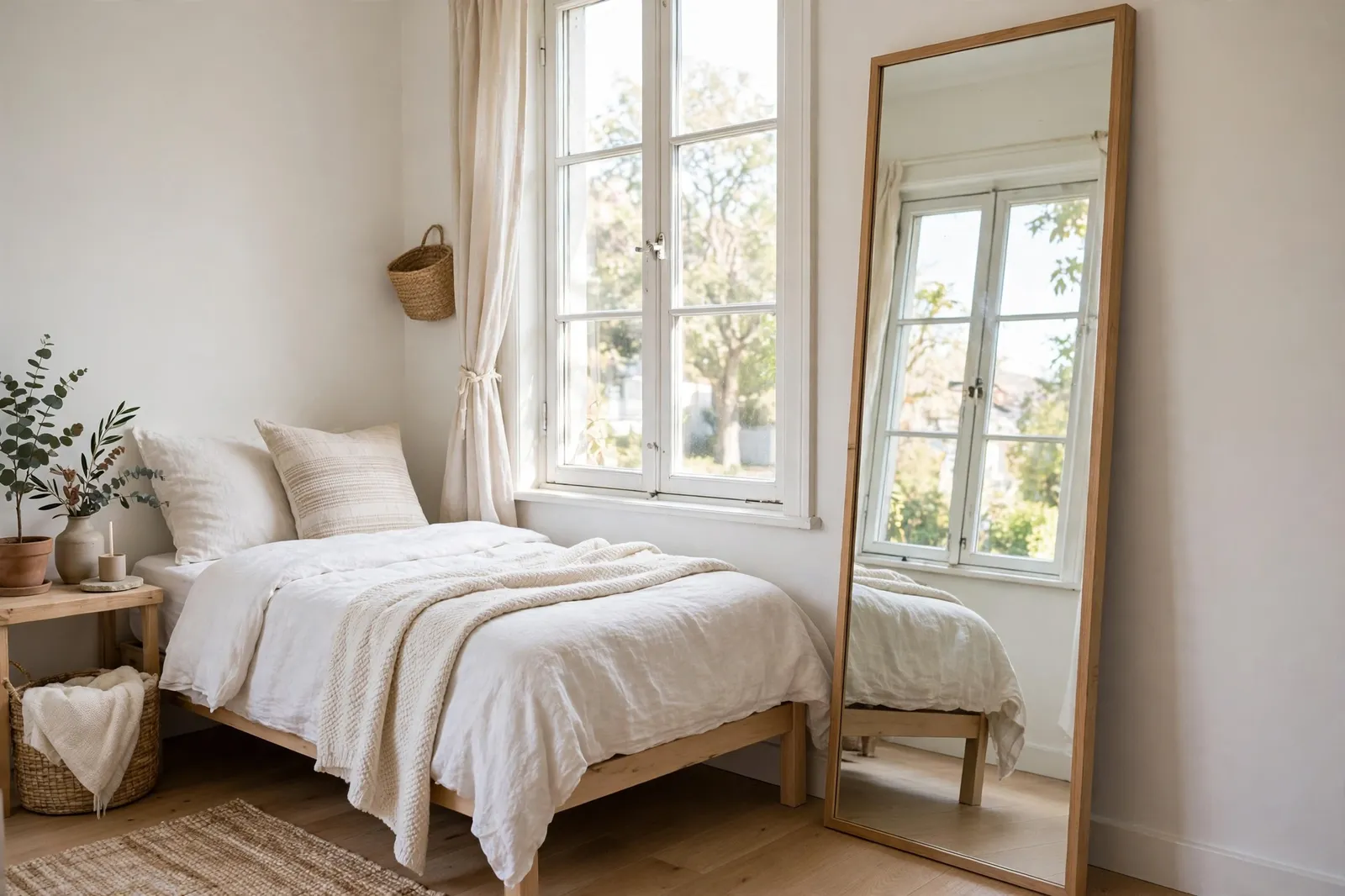
A mirror is the oldest trick for making a small room feel bigger, and it works because it reflects both light and the room itself. The best spot is usually opposite or beside a window, where the mirror catches daylight and bounces it around. A full-length mirror leaning against a wall or hung on a door does double duty as a dressing mirror.
Keep it to one or two mirrors, though. A wall of mirrors or mirrored furniture everywhere can feel confusing rather than spacious. A single large mirror usually works better than several small ones scattered around, and a simple frame that matches the room keeps it looking calm rather than flashy.
5. Choose Furniture That Does More Than One Job
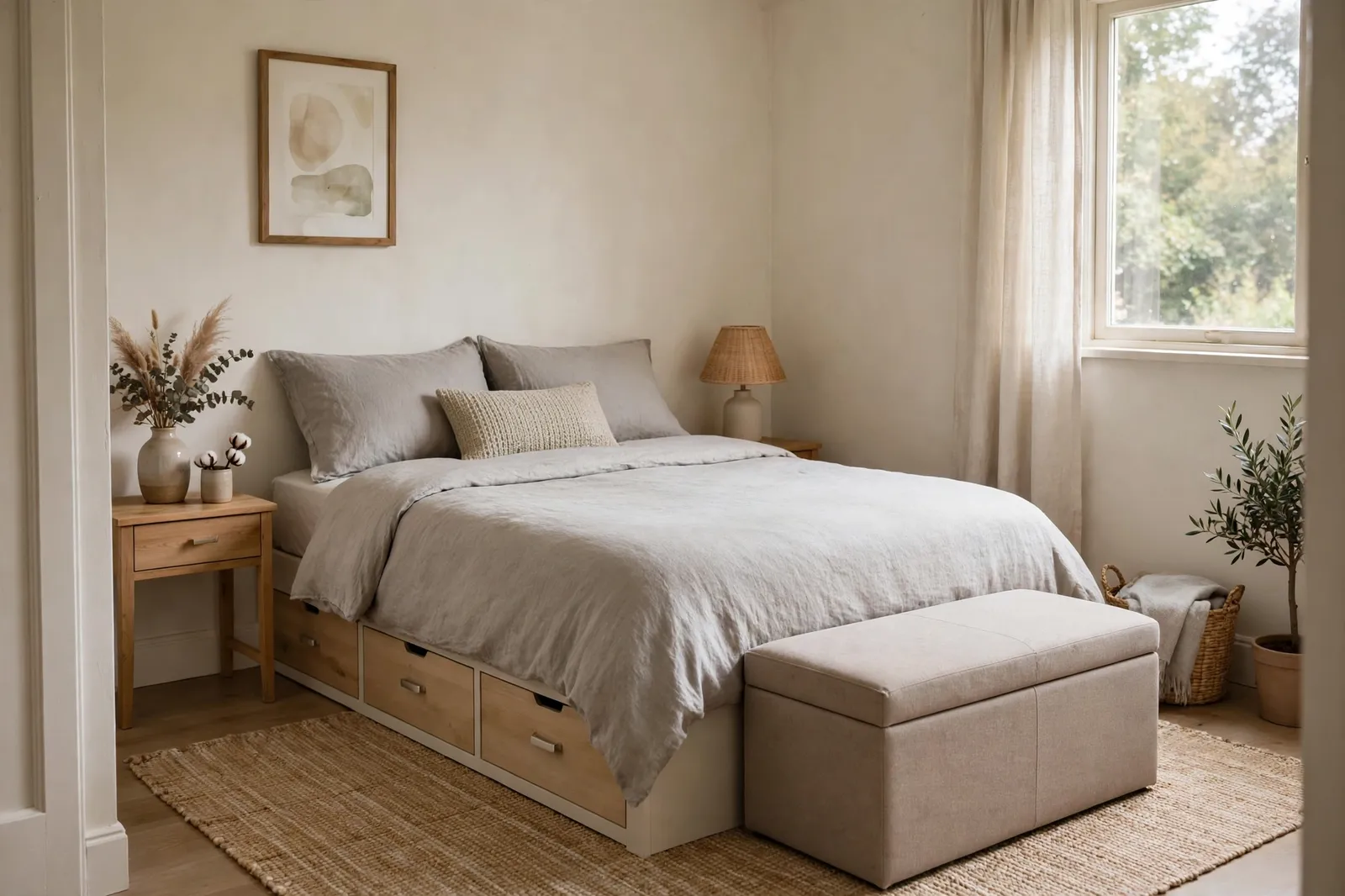
In a small bedroom, every piece should earn its place. A bed with drawers underneath, a nightstand with a drawer and a shelf, an ottoman that opens for storage, or a desk that doubles as a vanity all save space without feeling like a compromise. Before buying anything new, ask what else it can do.
Scale matters too. A huge, bulky dresser in a small room will dominate it, while a tall, slim one holds nearly as much and leaves more floor visible. The same goes for the bed frame: a low-profile frame with storage underneath usually suits a small room better than a tall, heavy one. Fewer, smarter pieces almost always beat more furniture in a small space.
6. Let in Light, and Keep Window Treatments Simple
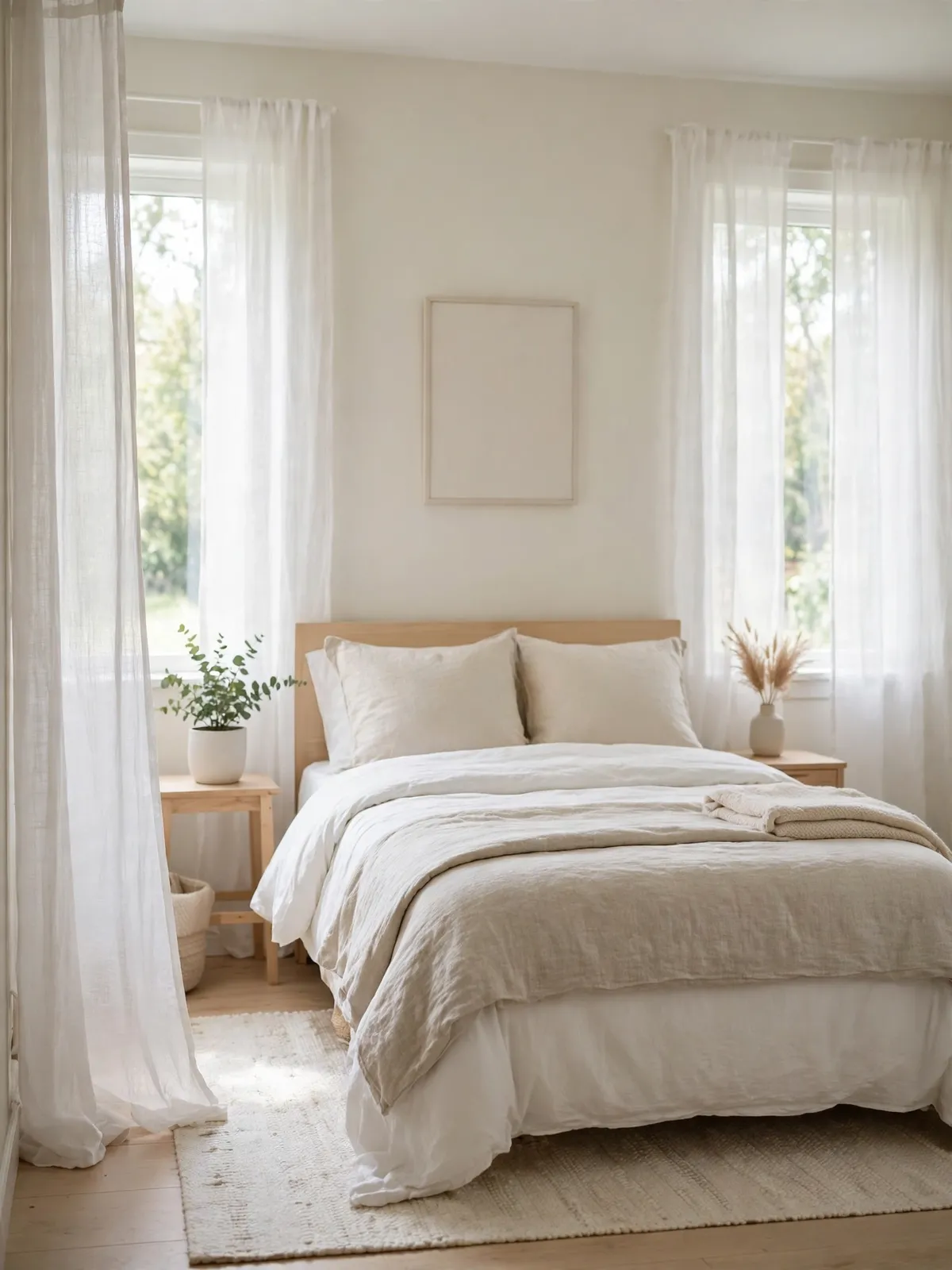
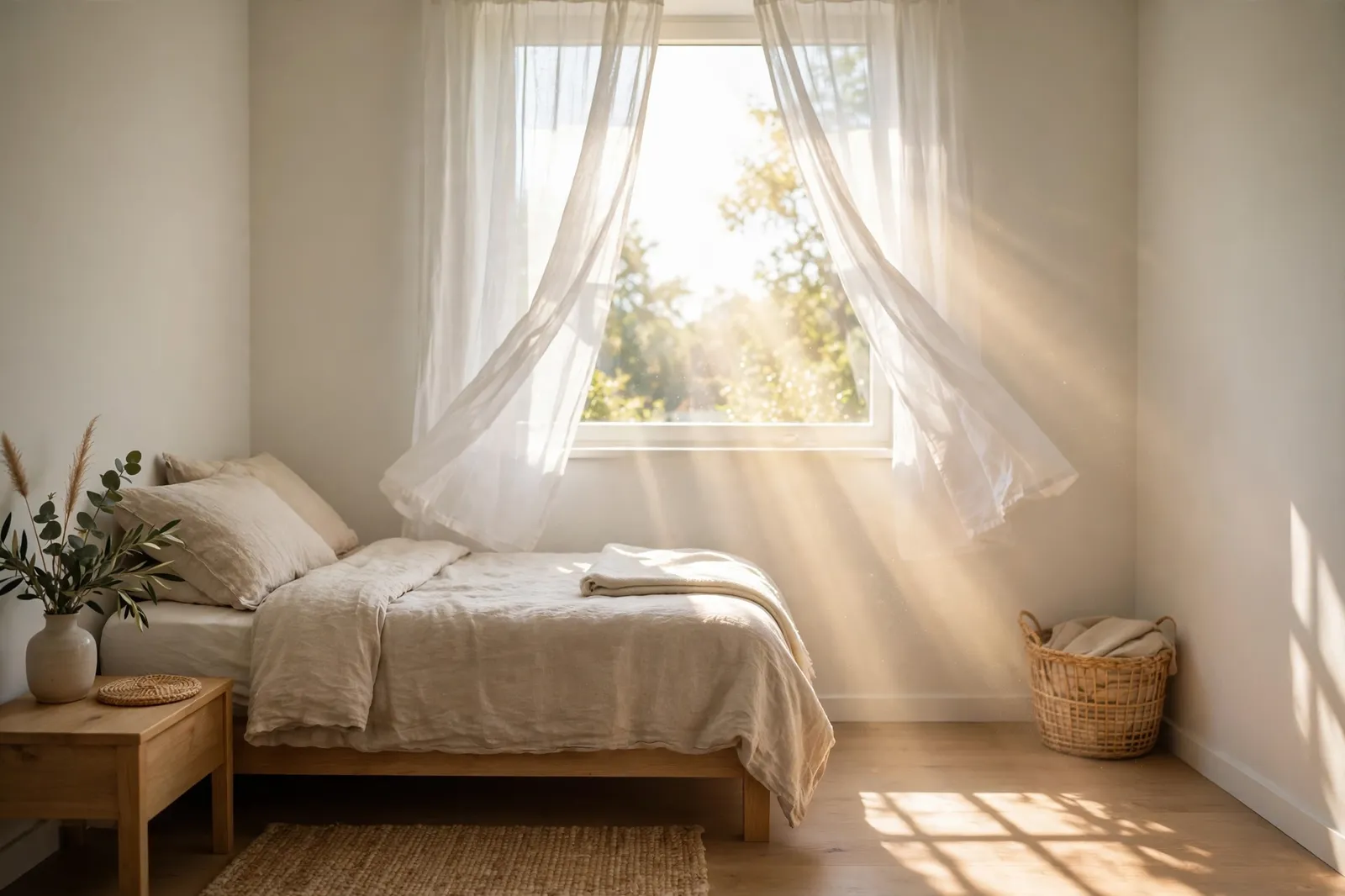
Natural light is the single best way to make a small bedroom feel bigger, so do not block it. Sheer curtains let light in while keeping privacy, and hanging them high and wide makes the window look larger. If you need darkness for sleeping, a roller blind behind the sheers gives you both options without heavy, bulky drapes.
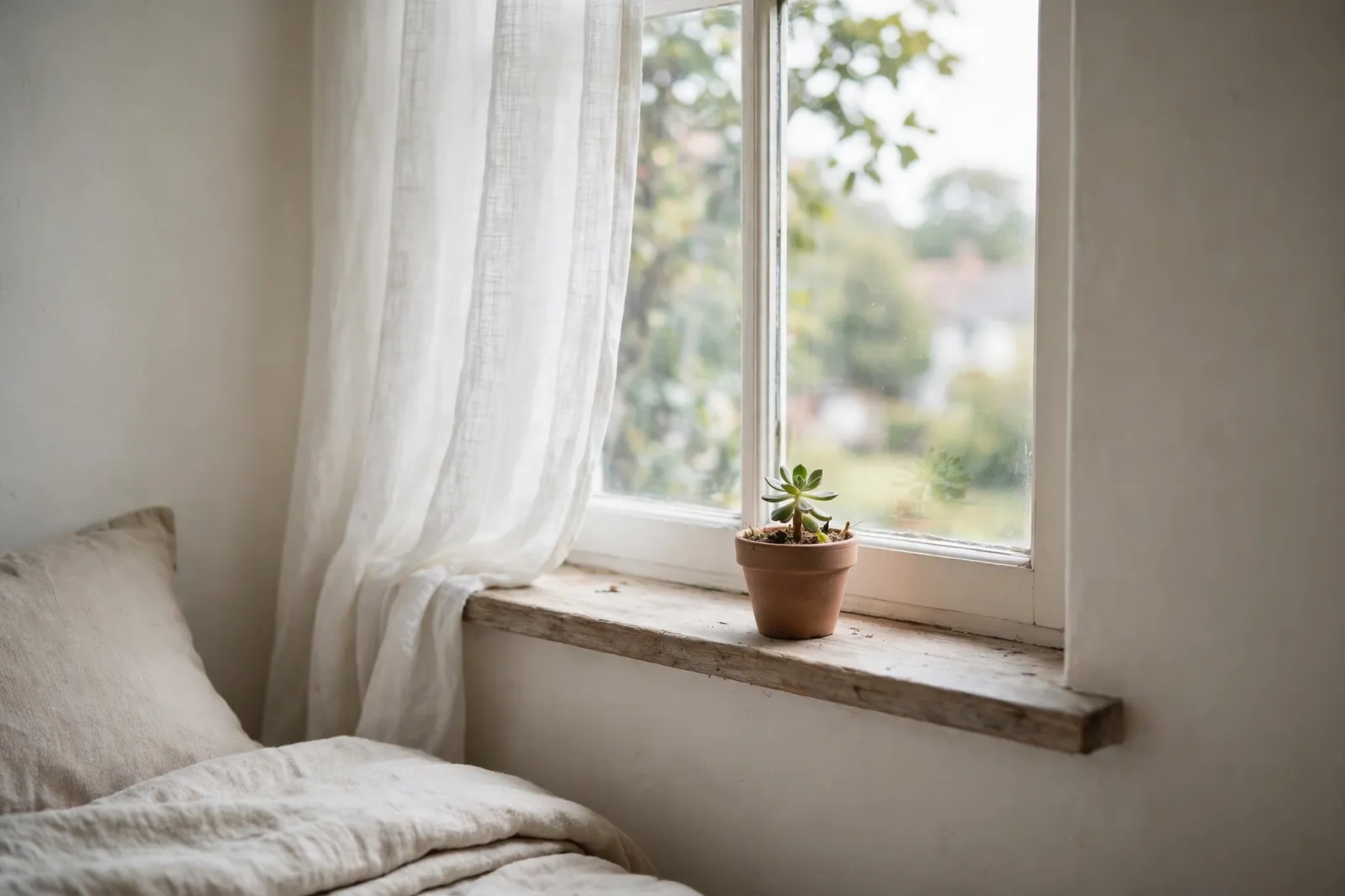
Keep the window sill clear and avoid tall furniture right beside the window that blocks light. Clean windows help more than you might think — a film of dust cuts a surprising amount of daylight. If the room has only one small window, a light-colored wall opposite it will bounce what light there is around the room.
7. Clear the Surfaces, and Keep Only What You Use
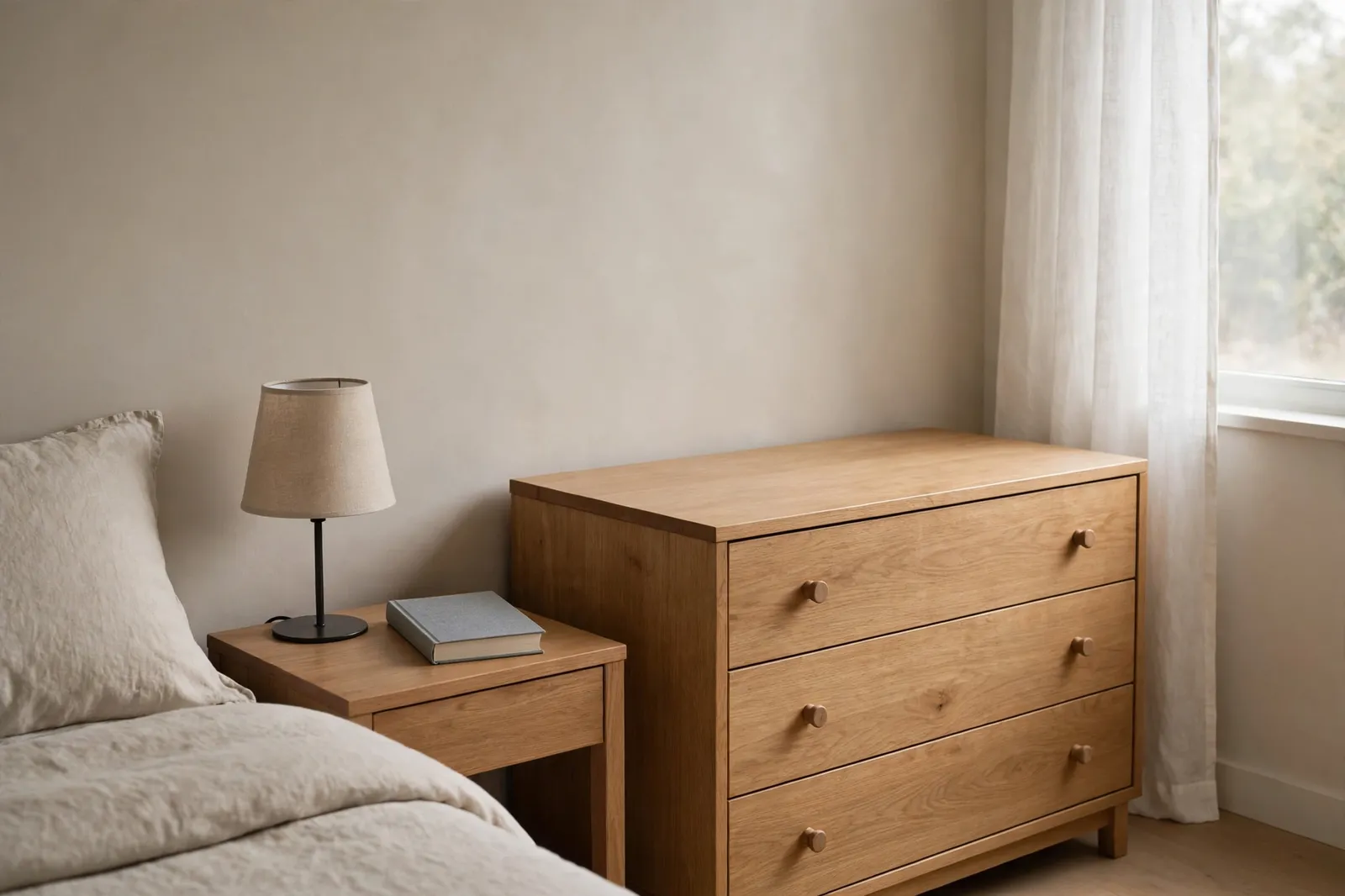
Clutter shrinks a room faster than anything else. In a small bedroom, every surface — the nightstand, the dresser, the top of the wardrobe — should hold only what you actually use or love. Everything else needs a home: a drawer, a box, or another room.
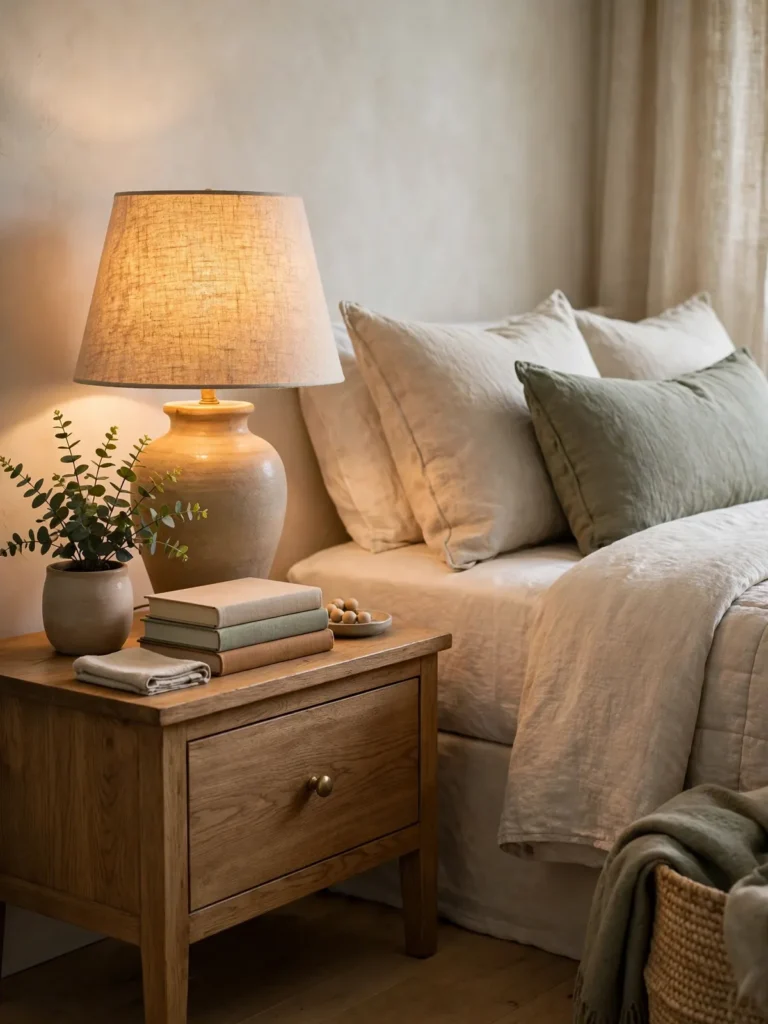
Do one surface at a time so it does not feel overwhelming. Clear the nightstand to a lamp, a book, and a glass of water. Clear the dresser to a few daily items on a tray. Put a small basket by the door for things that need to leave the room. Once surfaces are clear, the room immediately feels larger, and it is much easier to keep it that way with a quick nightly reset.
8. Show More Floor, and Pick the Right Rug
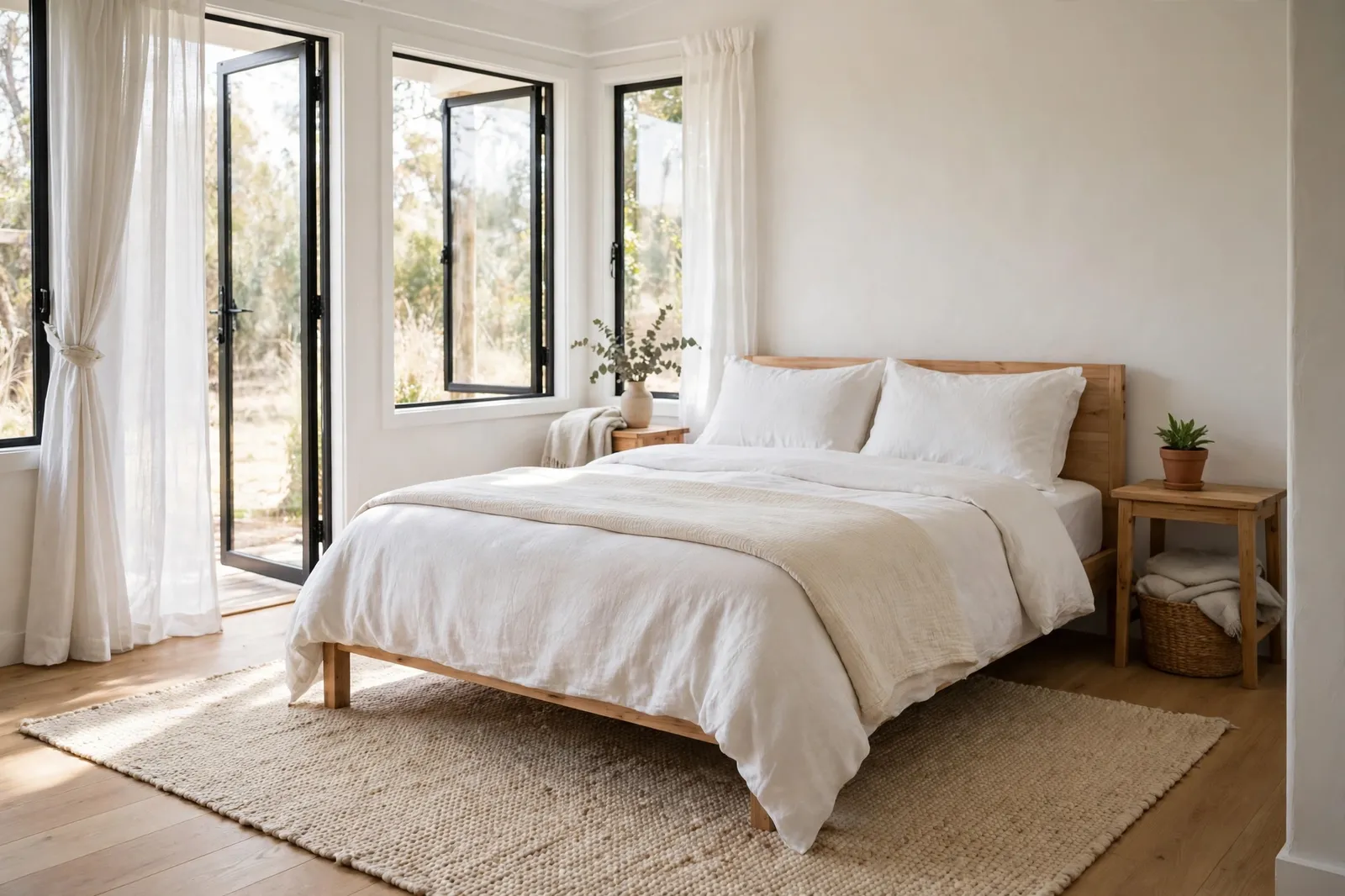
Seeing more floor makes a room feel bigger, so avoid covering it all with furniture and rugs. A rug that sits under the front two-thirds of the bed, with bare floor showing around it, usually looks better in a small room than wall-to-wall carpet or an oversized rug. Light-colored rugs also help, since dark rugs can visually shrink the floor.
If you use a rug, keep it simple — a plain or subtly patterned one in a light tone. Avoid lots of small rugs scattered around, which chop the floor into pieces. One rug, well placed, anchors the bed and leaves the rest of the floor visible, which is what makes the room feel open.
9. Add Small Details That Open the Room Up
A few finishing details can make a small bedroom feel more open without any big changes. Leggy furniture — a nightstand or chair you can see under — feels lighter than pieces that sit flat on the floor. Matching bedding in a light color makes the bed, the biggest object in the room, blend in rather than stand out.
Plants help too, but keep them small: one trailing plant on a shelf or a small pot on the windowsill adds life without taking floor space. Finally, keep the door and closet doors closed when you can, and use the same light color inside the closet if it is often open — an open dark closet reads as a hole in the wall and makes the room feel smaller.
Frequently Asked Questions
What is the best color for a small bedroom?
Light, calm colors work best: soft white, pale beige, light grey, or pale sage. One main light color on walls and bedding, with a single slightly darker accent, makes the room feel open. Dark colors can look cozy in a small room, but they usually make the walls feel closer.
Should I put my bed against the wall in a small bedroom?
Yes, in most small bedrooms this frees up the most floor space. Put the headboard on the longest wall if you can, and leave a clear path on at least one side. If you share the bed, a wall on one side is still workable, and the extra floor space is usually worth the trade-off.
Do mirrors really make a small bedroom look bigger?
Yes, when placed well. A large mirror opposite or beside a window reflects light and the room itself, which makes the space feel deeper. One large mirror works better than several small ones, and a simple frame keeps the look calm.
How do I fit storage into a small bedroom without clutter?
Use furniture that does double duty — a bed with drawers, a nightstand with a shelf, an ottoman with storage — and use vertical space with shelves and hooks. Keep surfaces clear and give everything a home, even if that home is a box under the bed. Fewer, smarter storage pieces beat a room full of small organizers.
Related ideas
If you are working through the whole house room by room, these guides go well with this one. Start with these bedroom decorating ideas for the cozy, stylish basics, then see these cozy living room ideas for the same warm approach in the living room. For a small-space perspective beyond the bedroom, these small living room decorating ideas show how light colors and smart furniture open up any small room.