How to Choose the Right Living Room Rug Size
A rug can pull a whole living room together — or make it feel off in a way you cannot quite put your finger on. Most of the time, the problem is not the color or the pattern. It is the size. A rug that is too small makes the furniture look scattered, like pieces floating on a bare floor. A rug that is too big can swallow the room and hide a nice floor you paid good money for.
The good news is that picking the right size is mostly about measuring and following a couple of simple rules, not about having a designer’s eye. Once you know how your sofa and chairs should sit on the rug, and you have the basic standard sizes in mind, the choice gets a lot easier. This guide walks through it step by step, so you can buy once and get it right.
1. Start With Your Seating Arrangement, Not the Rug
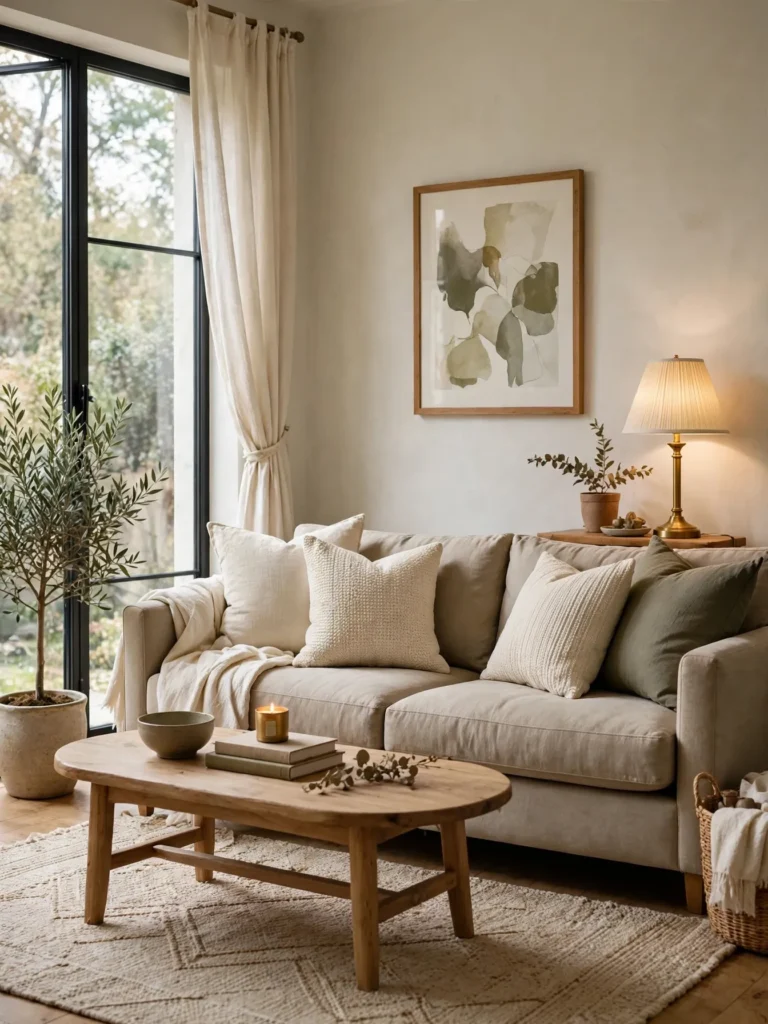
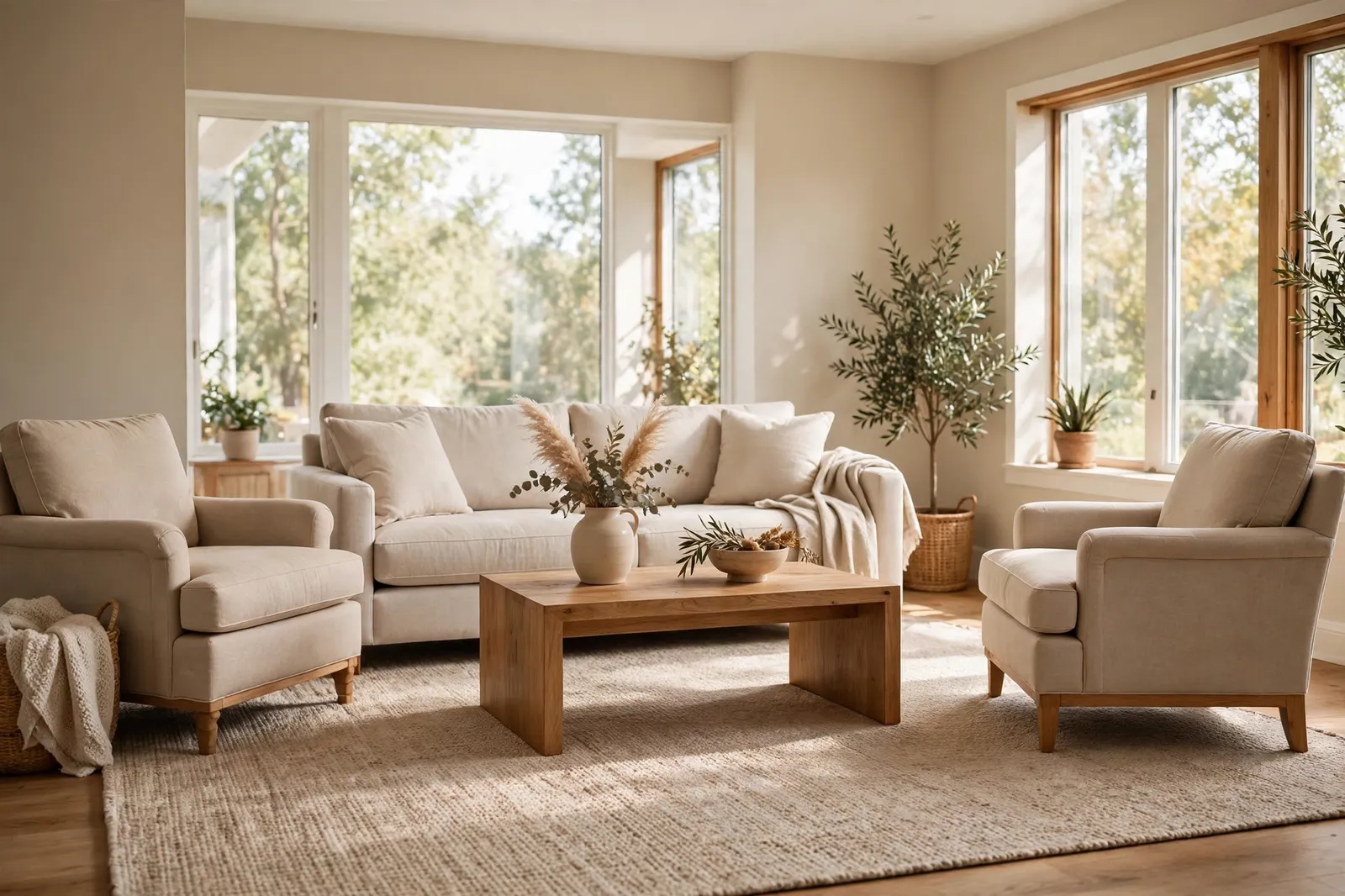
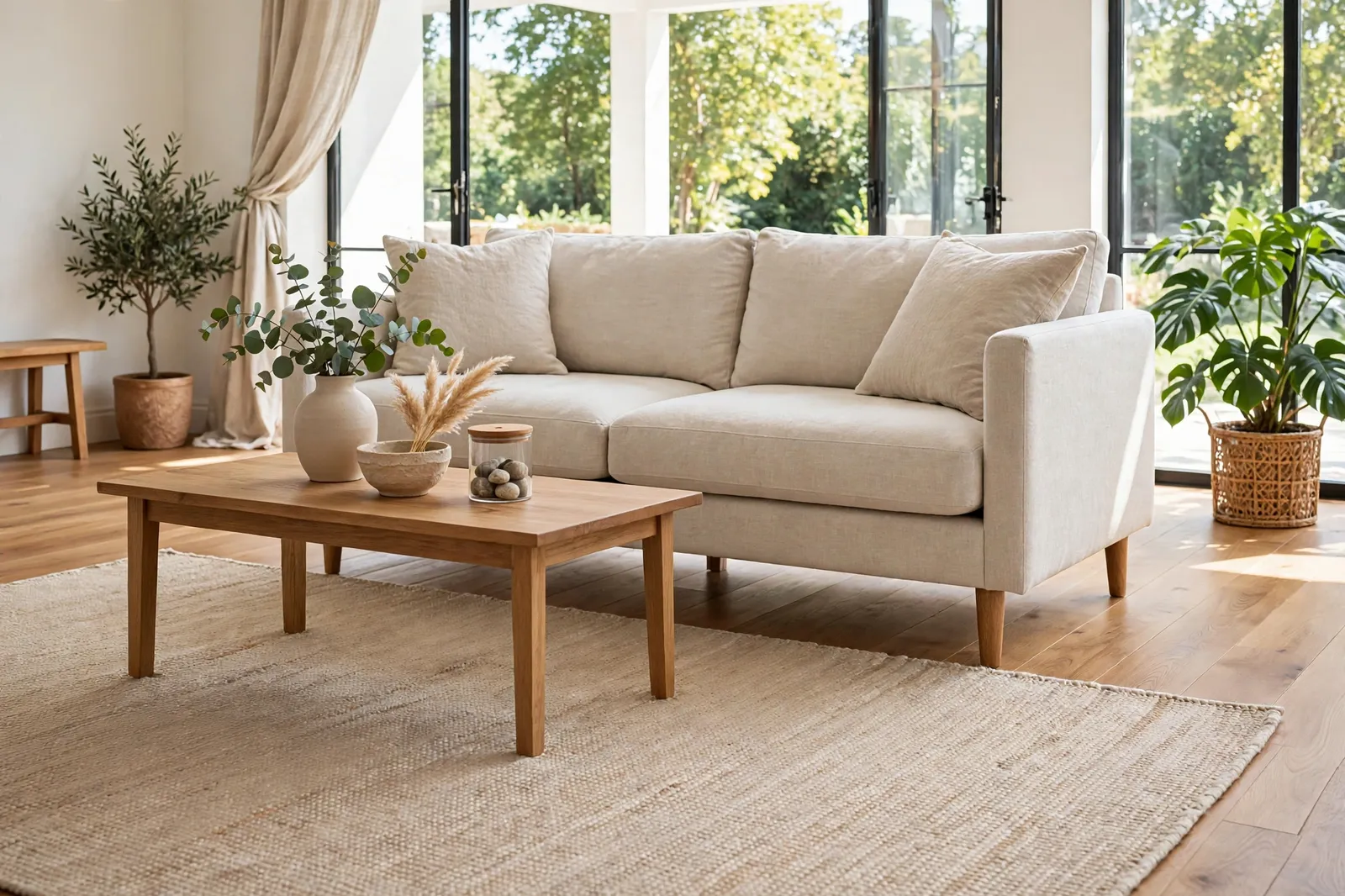
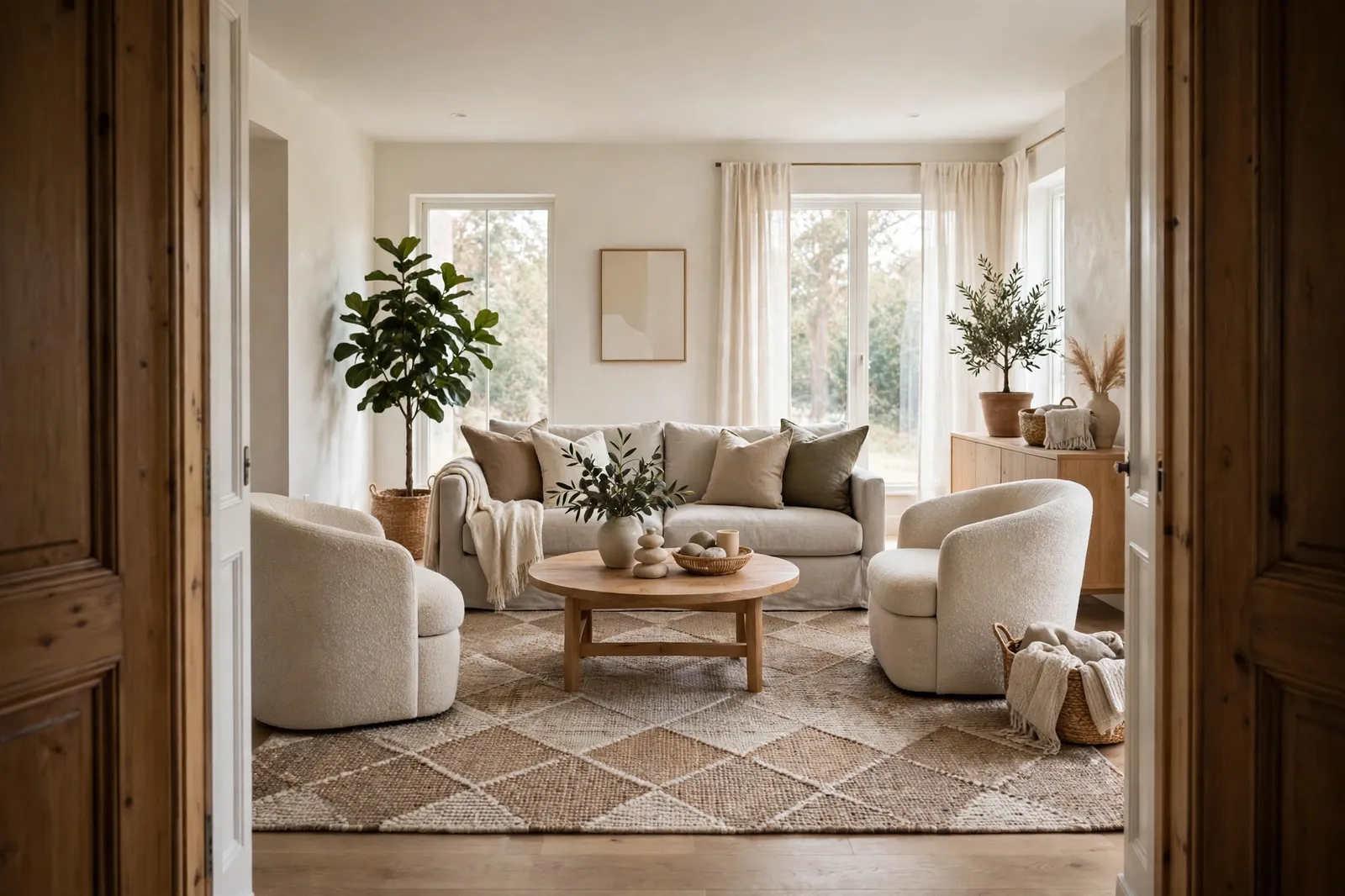
Before you look at a single rug, look at how your seats are arranged. The rug should anchor the seating area, not just sit somewhere in the middle of the room. In most living rooms, that means the rug goes under the coffee table and reaches at least under the front legs of the sofa and chairs. That one rule — front legs on, back legs off — works in more rooms than any other guideline.
This is called the front-legs rule, and it is popular because it is forgiving. You do not need a huge rug to make it work, and it still makes the seating area feel like one connected group. If your sofa and chairs are far apart, though, a rug that only catches the front legs can look stretched. In that case, you may need to go a size up, or pull the furniture a little closer together, so the rug can do its job of tying the group together.
2. Know the Standard Rug Sizes
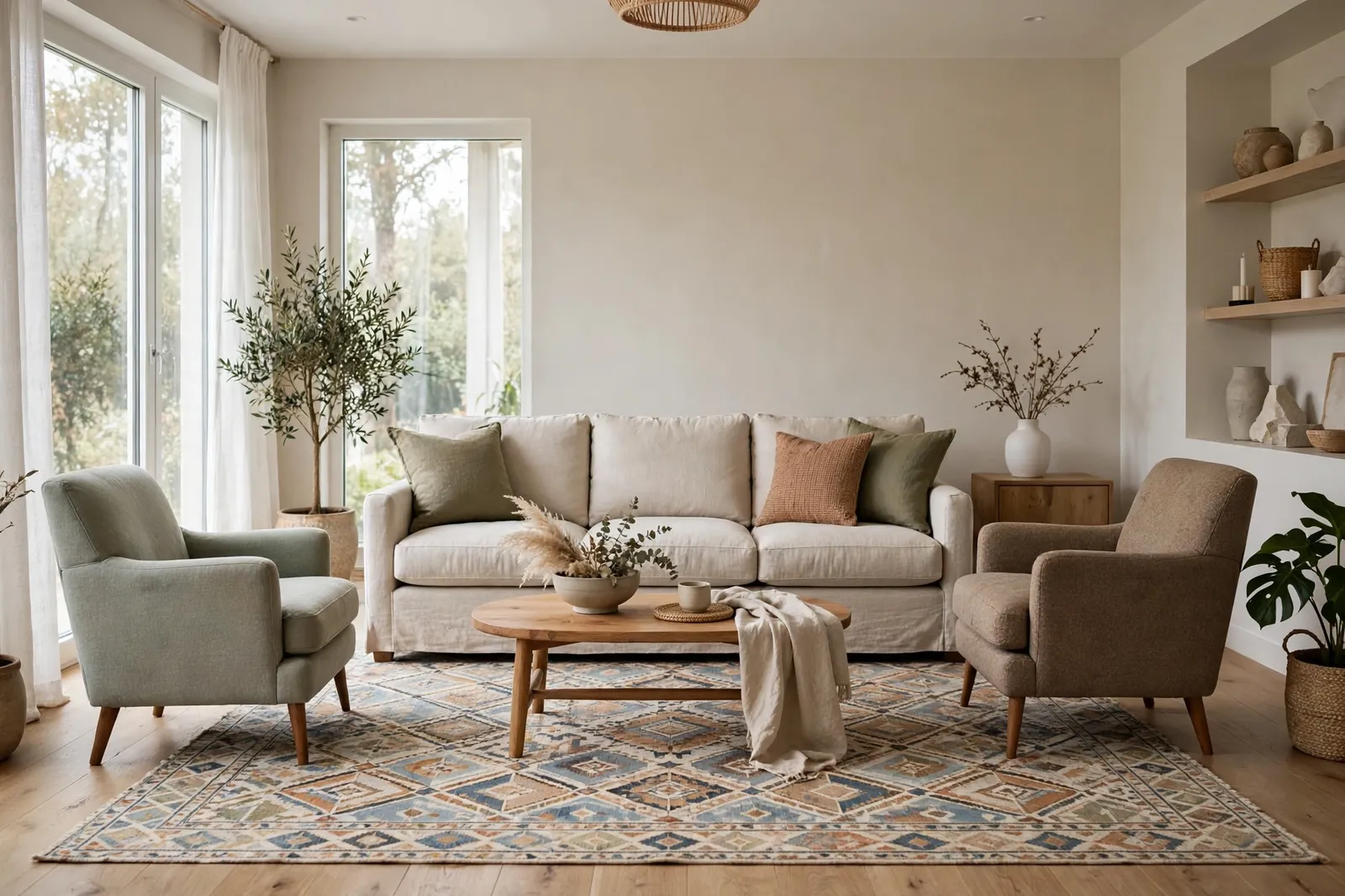
Rugs come in a handful of standard sizes, and knowing them saves a lot of guesswork. The most common living room sizes are 5×8 feet, 6×9 feet, 8×10 feet, and 9×12 feet. A 5×8 works in a small apartment seating area. A 6×9 suits a modest living room with a loveseat. An 8×10 is the go-to for a standard three-seat sofa with two chairs, and a 9×12 fits larger rooms and sectionals.
Keep in mind that rug sizes are often rounded, and the actual rug can run an inch or two smaller than the label. That is normal, and it rarely changes which size you should buy. What matters more is the rough footprint: will it reach under the front legs of everything in the group, with a little room to spare? If you are torn between two sizes, go with the larger one. A rug that is slightly too big looks generous. A rug that is slightly too small looks like a mistake.
3. Measure First — Every Time
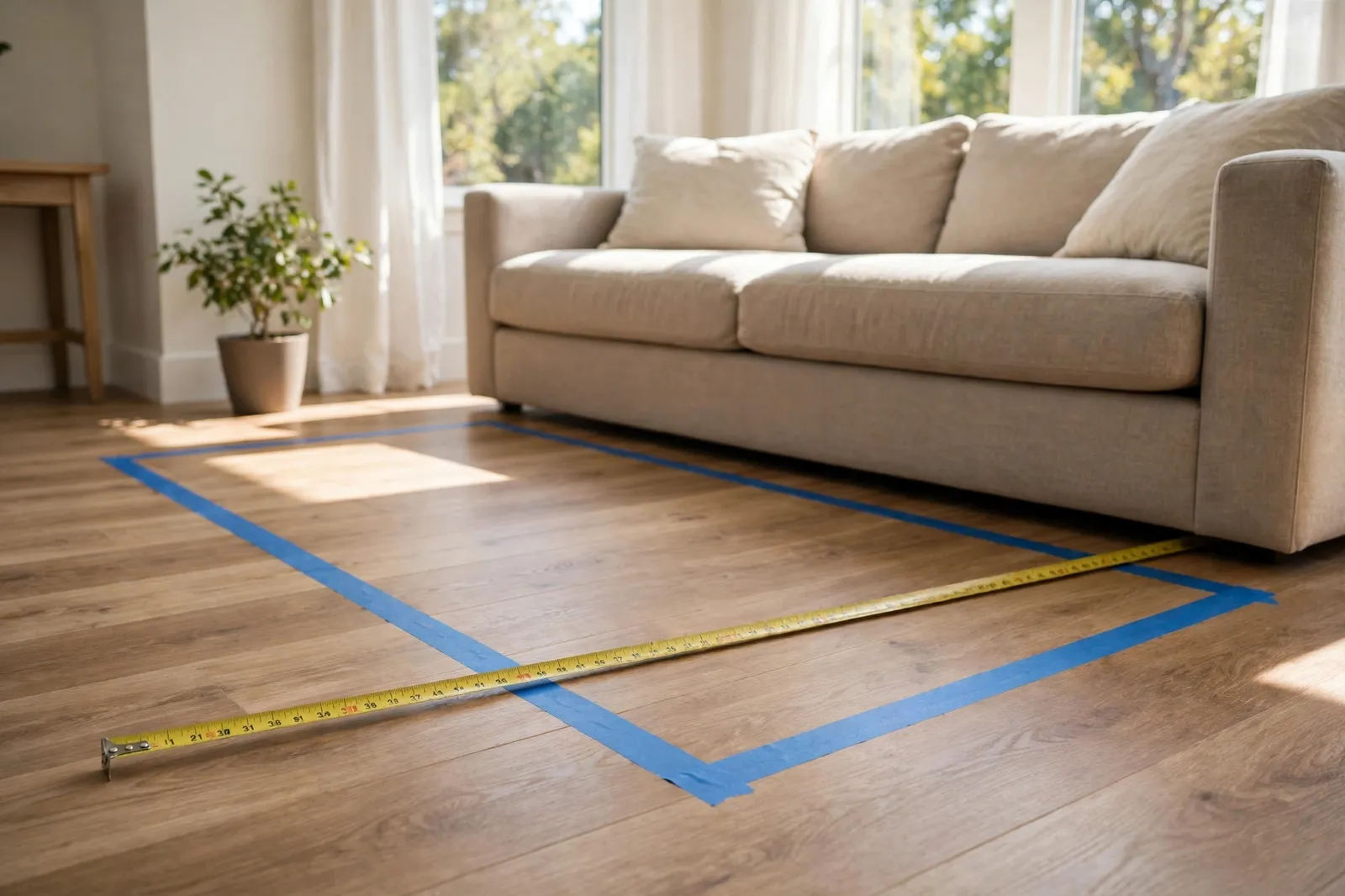
It is tempting to order a rug because it looks right in a photo, but photos lie about scale. Measure your seating area before you buy, every time. Start by measuring the full width of your sofa and chairs as they sit, from the outer edge of one arm to the outer edge of the other. Then measure the depth, from the front of the sofa to the front of the chairs facing it. Those two numbers give you the minimum footprint your rug needs to cover.
Then add a little breathing room. A good target is at least 6 to 8 inches of rug extending past the front legs of the furniture on each side, so the legs sit comfortably on it and not right at the edge. Painter’s tape is a cheap trick here: lay out the rug’s outline on the floor with tape and live with it for a day. Walk around it, sit down, and see how it feels. It takes ten minutes and can save you a return.
4. Get the Rug and Coffee Table Placement Right
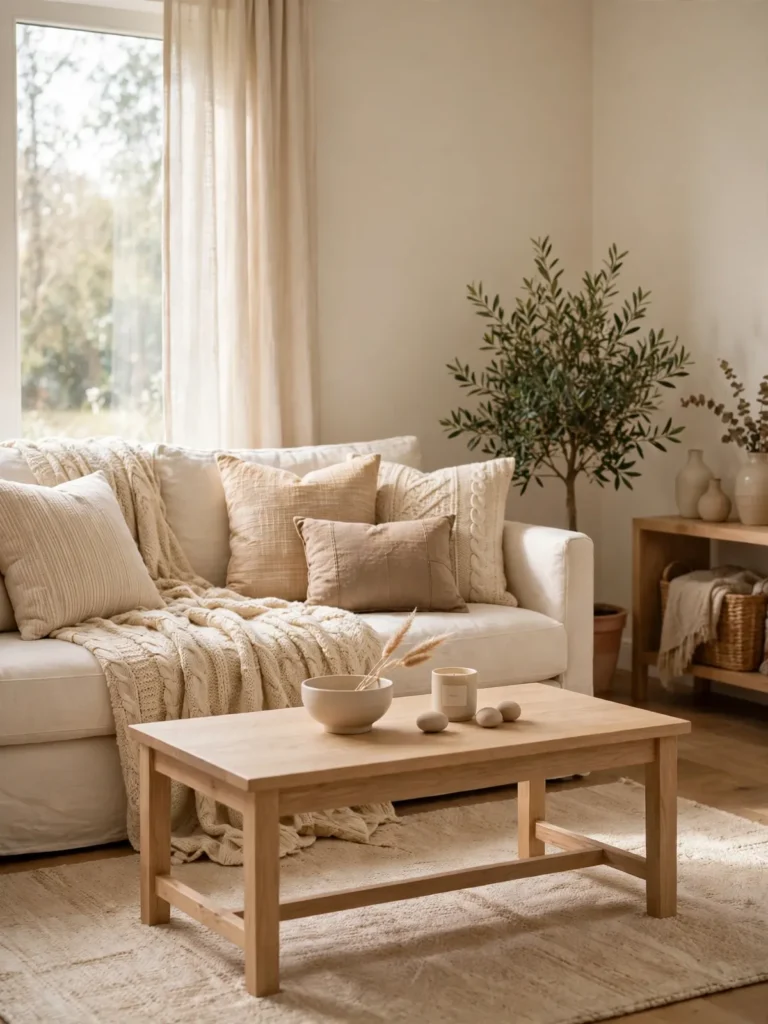
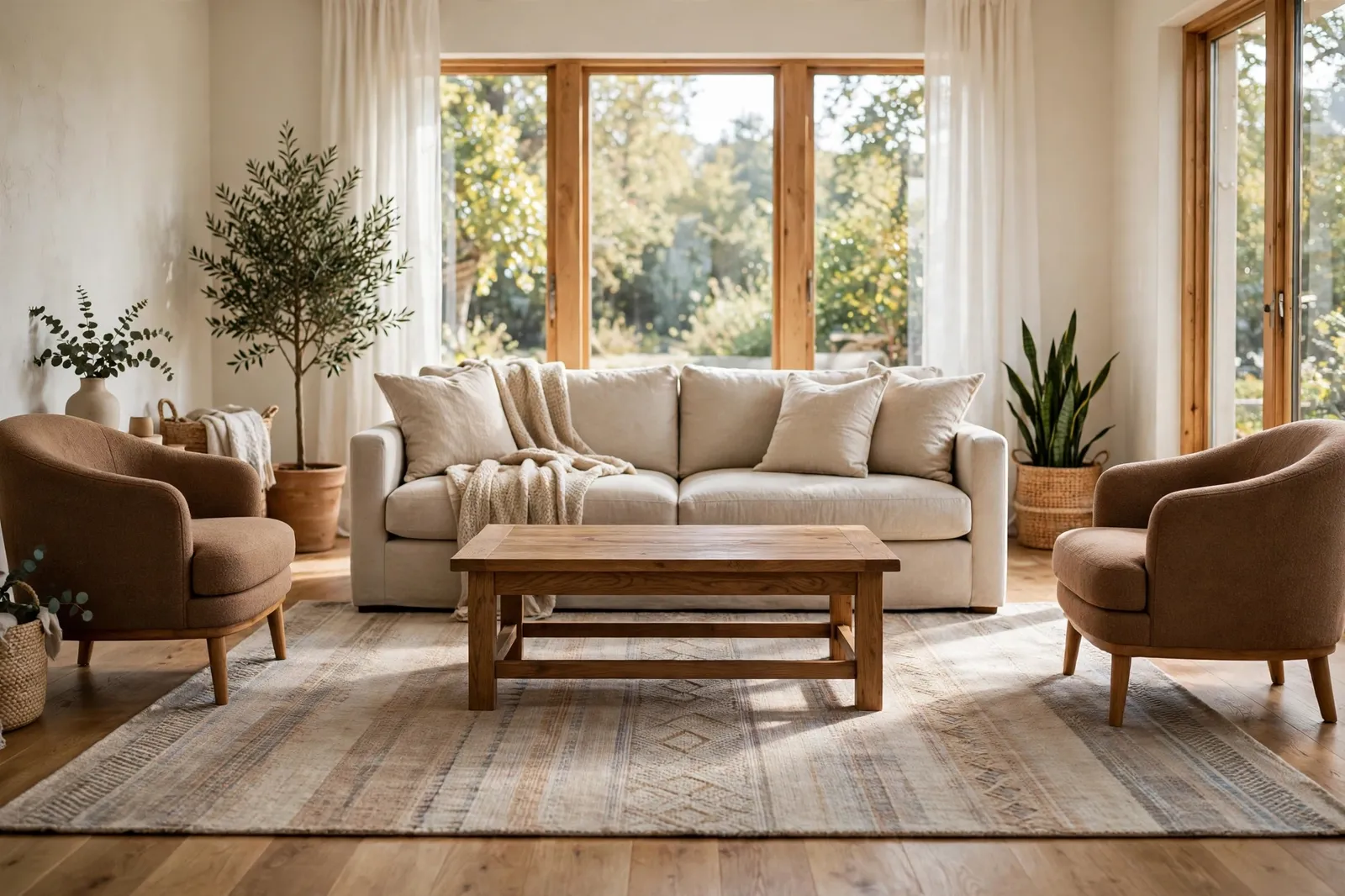
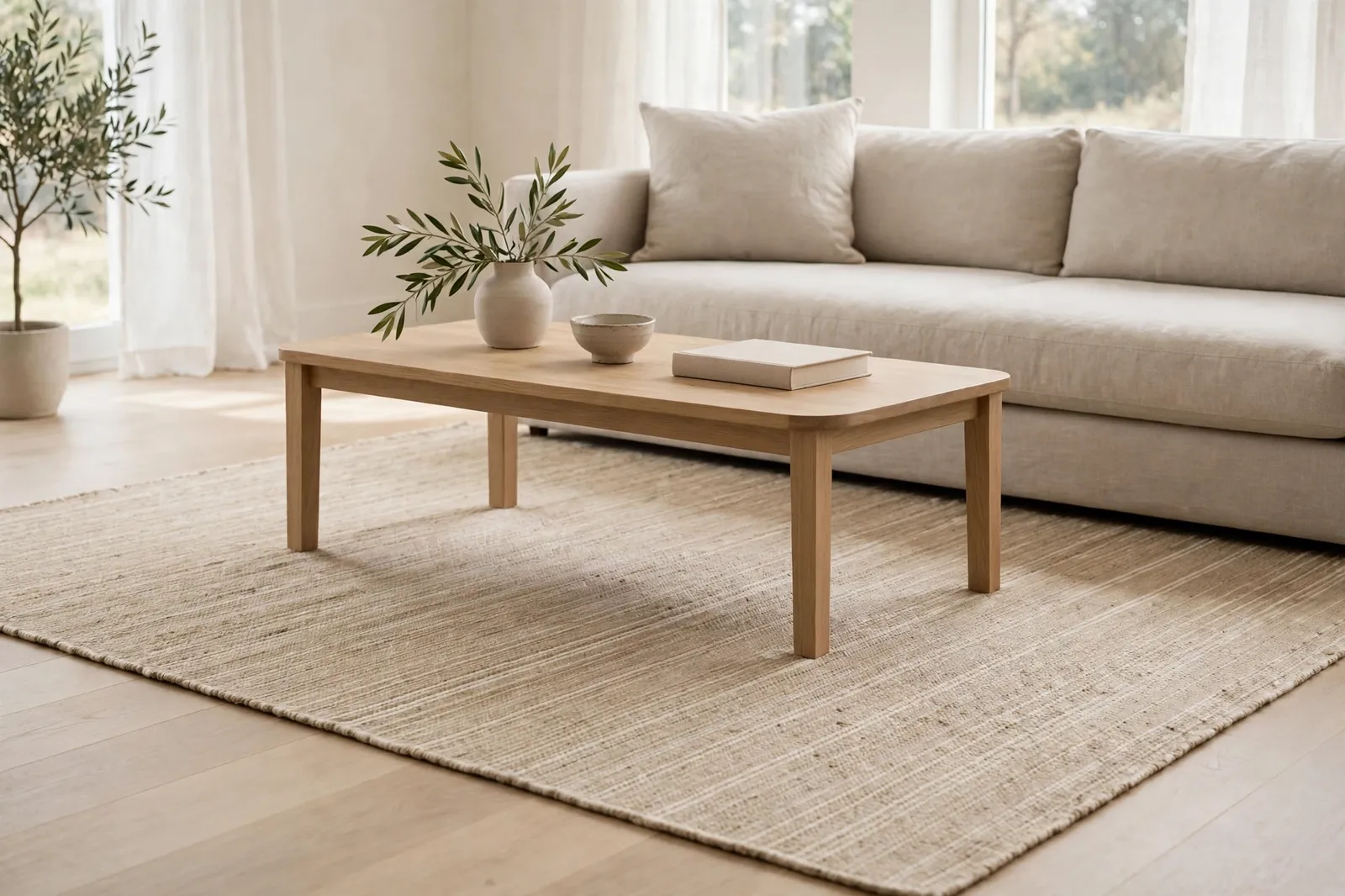
The coffee table and the rug work as a pair, so place them together. The coffee table should sit fully on the rug, with room around it for feet and for setting things down. A common rule is to leave about 18 inches between the sofa and the coffee table — close enough to reach a drink, far enough to walk past — and to keep the table centered on the rug, not pushed to one edge.
Size matters here too. Your coffee table should be about two-thirds the length of your sofa, and the rug should be wide enough that the table does not crowd its edges. If the table hangs off the rug on one side, the whole setup looks unbalanced. If you have a round coffee table, the same idea applies: center it on the rug and make sure there is rug on all sides of it, so it reads as part of the group rather than an island on bare floor.
5. Small Living Rooms Need Smart Sizing, Not Tiny Rugs
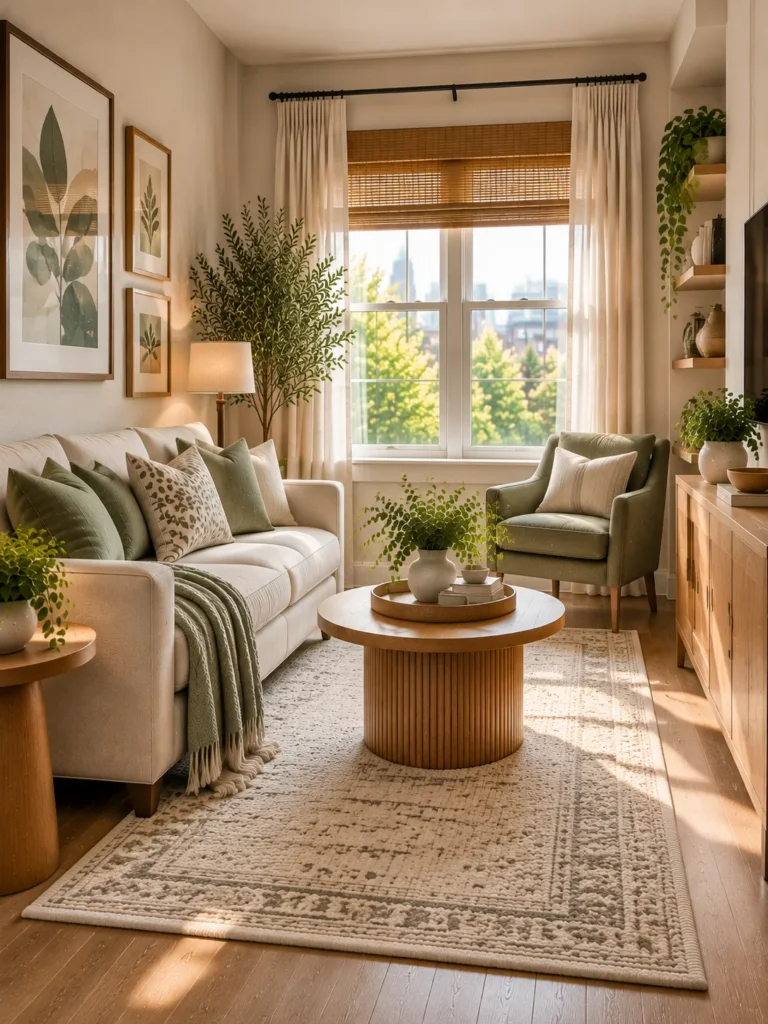
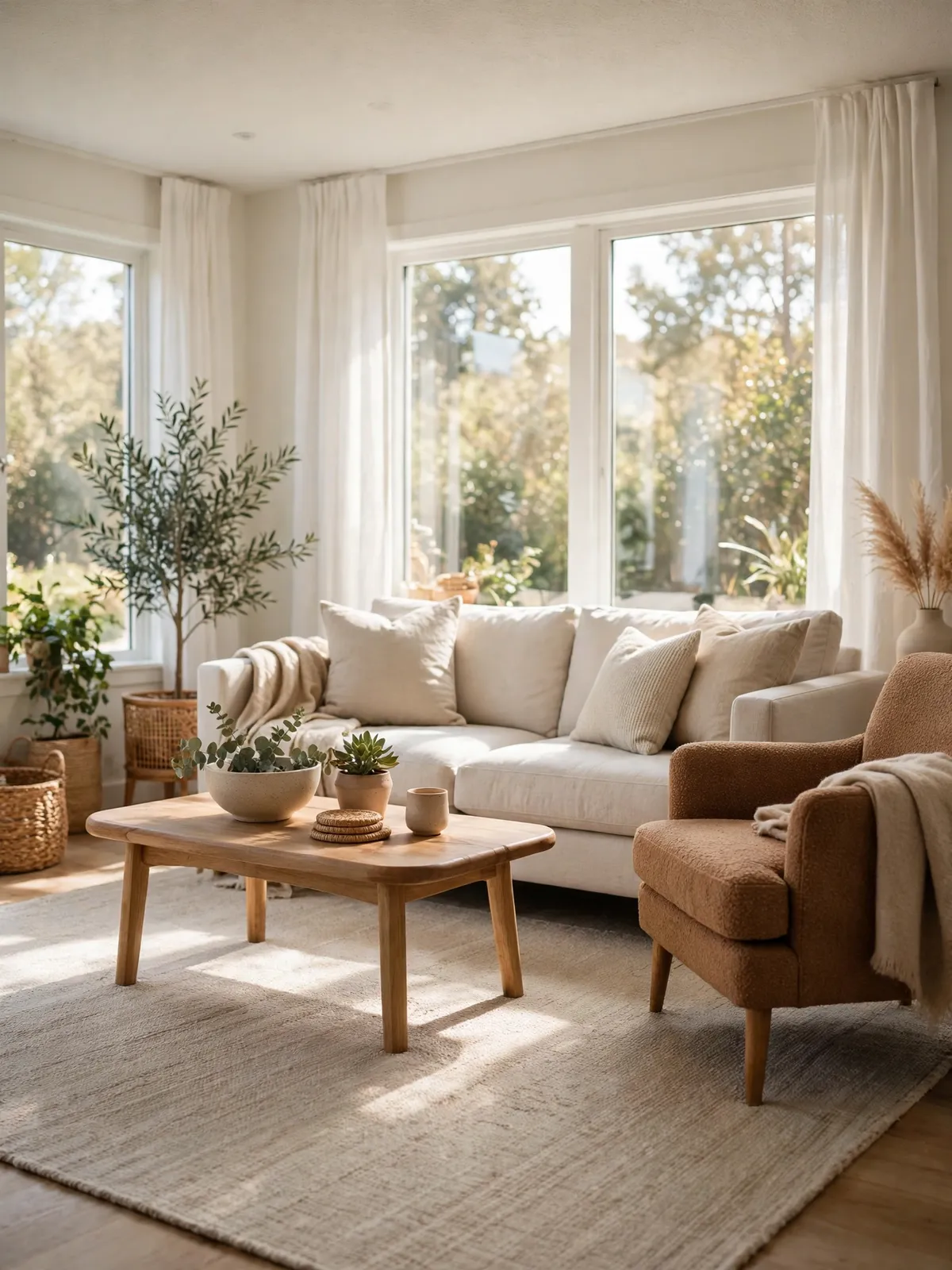
In a small living room, the instinct is to buy a small rug so the room does not feel crowded. That usually backfires. A tiny rug in a small room chops up the floor and makes the space feel even smaller, because your eye sees bare floor, then rug, then bare floor again. A rug that fills the seating area properly actually makes a small room feel bigger, because it creates one calm, unbroken zone.
That does not mean wall-to-wall coverage. Aim for the front-legs rule, and leave a border of bare floor — usually 12 to 18 inches — between the rug’s edge and the wall. In a really tight room, 8 to 12 inches can work. Skip the 4×6 or 3×5 rug for the main seating area unless it is a tiny reading corner with one chair. And choose a lighter color or a simple pattern if the room is dark; a busy, dark rug can weigh a small space down.
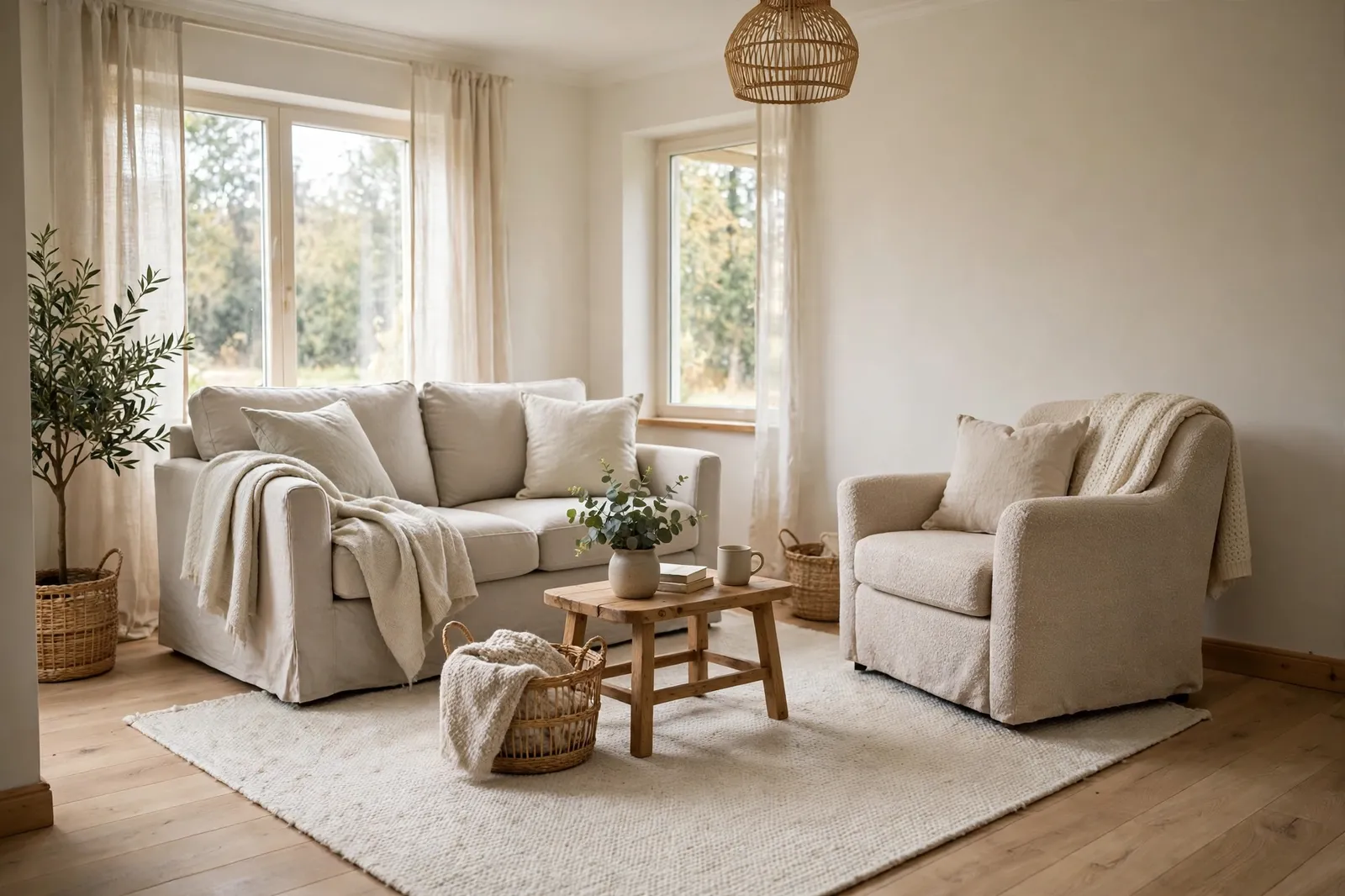
6. Large and Open-Plan Rooms Need Bigger Thinking
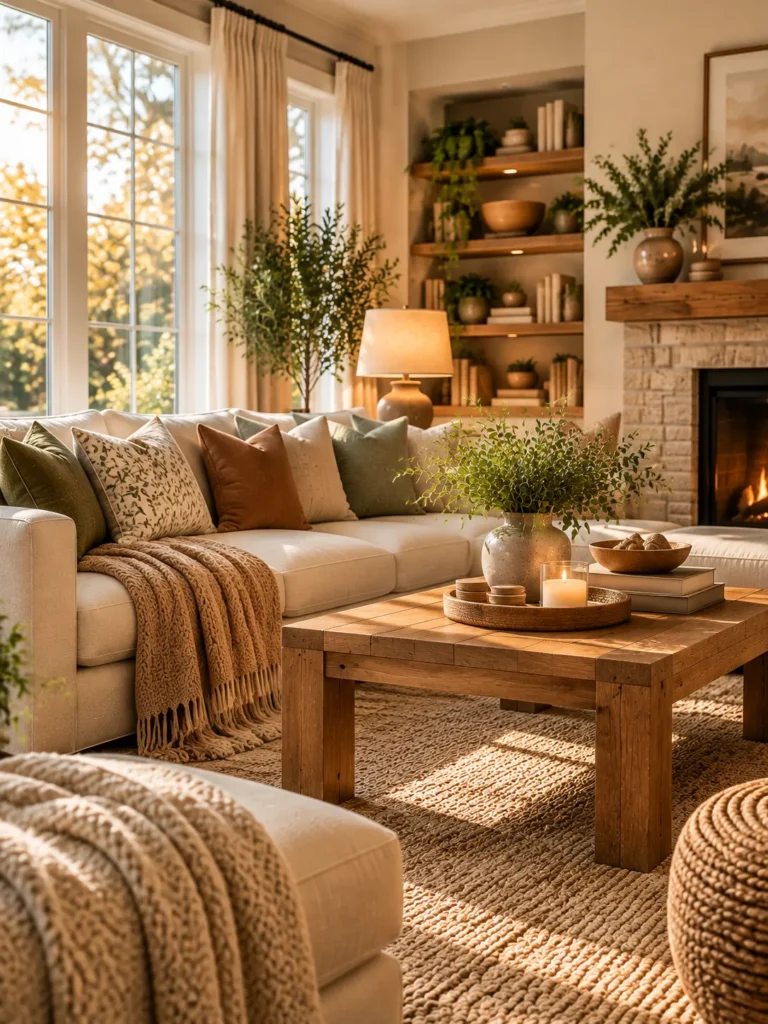
Big rooms have the opposite problem: a standard 8×10 can look like a postage stamp in the middle of a large floor. In a large living room, start with a 9×12 and measure from there. If your seating area includes a sectional plus chairs, you may need that size or larger, or you may need to rethink the layout so the seats form a tighter group that one rug can anchor.
Open-plan rooms add one more job for the rug: it marks where the living room ends and the dining area or kitchen begins. That is a good thing, as long as the rug is big enough to read as a zone. If the rug is too small, the boundary looks accidental. Use the rug to define the living zone clearly, and keep at least a few inches between the living room rug and any neighboring rug, so the zones do not blur into each other.
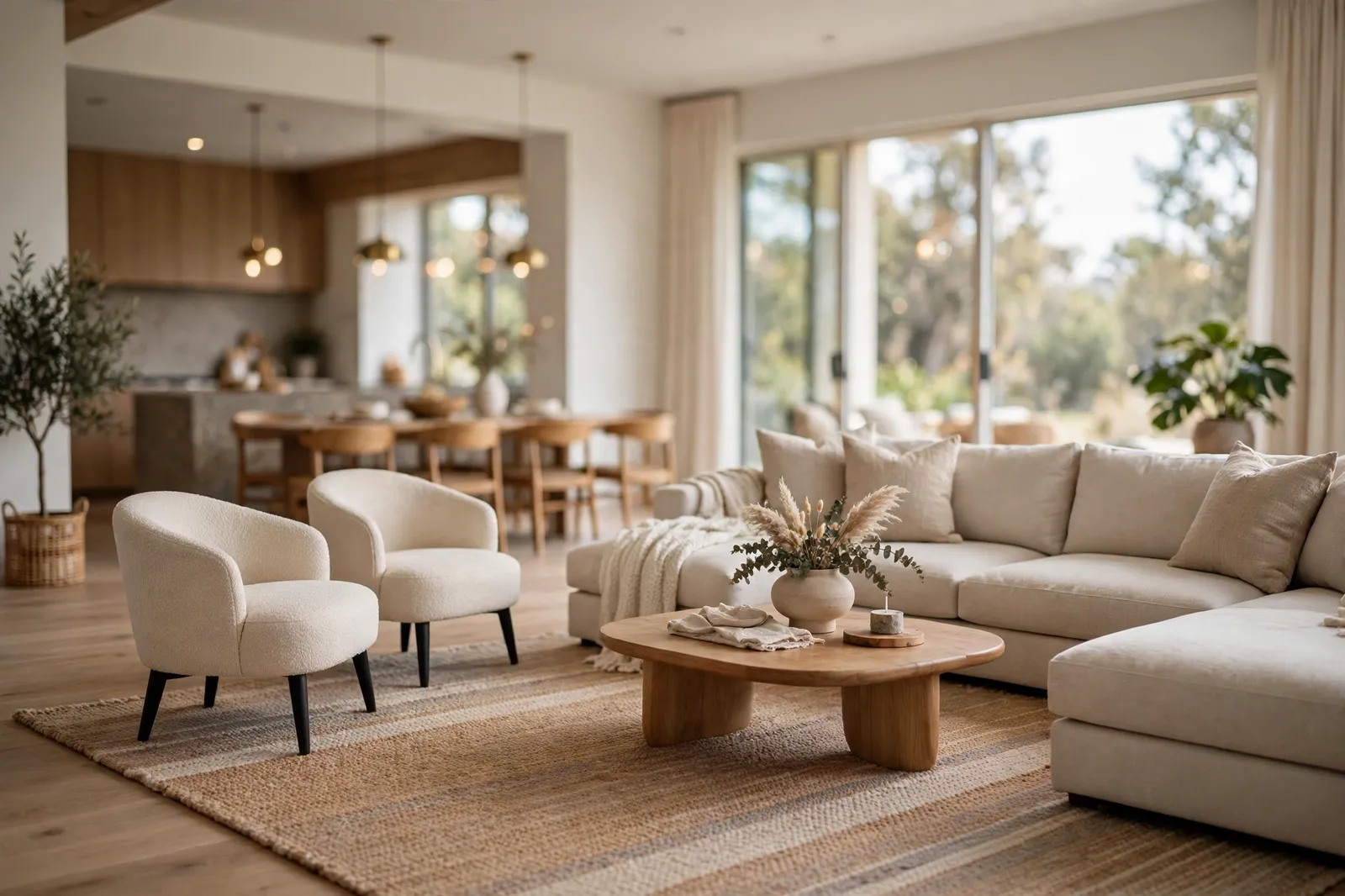
7. Pick the Right Rug Shape for the Room
Rectangular rugs are the safest bet in most living rooms, because sofas and seating groups are usually rectangular too. A rectangle follows the shape of the furniture and is easy to place. If your room is long and narrow, a rectangular rug running along the length of the room usually works best. If the room is square, a square rug can work, but a rectangle is still often easier to live with.
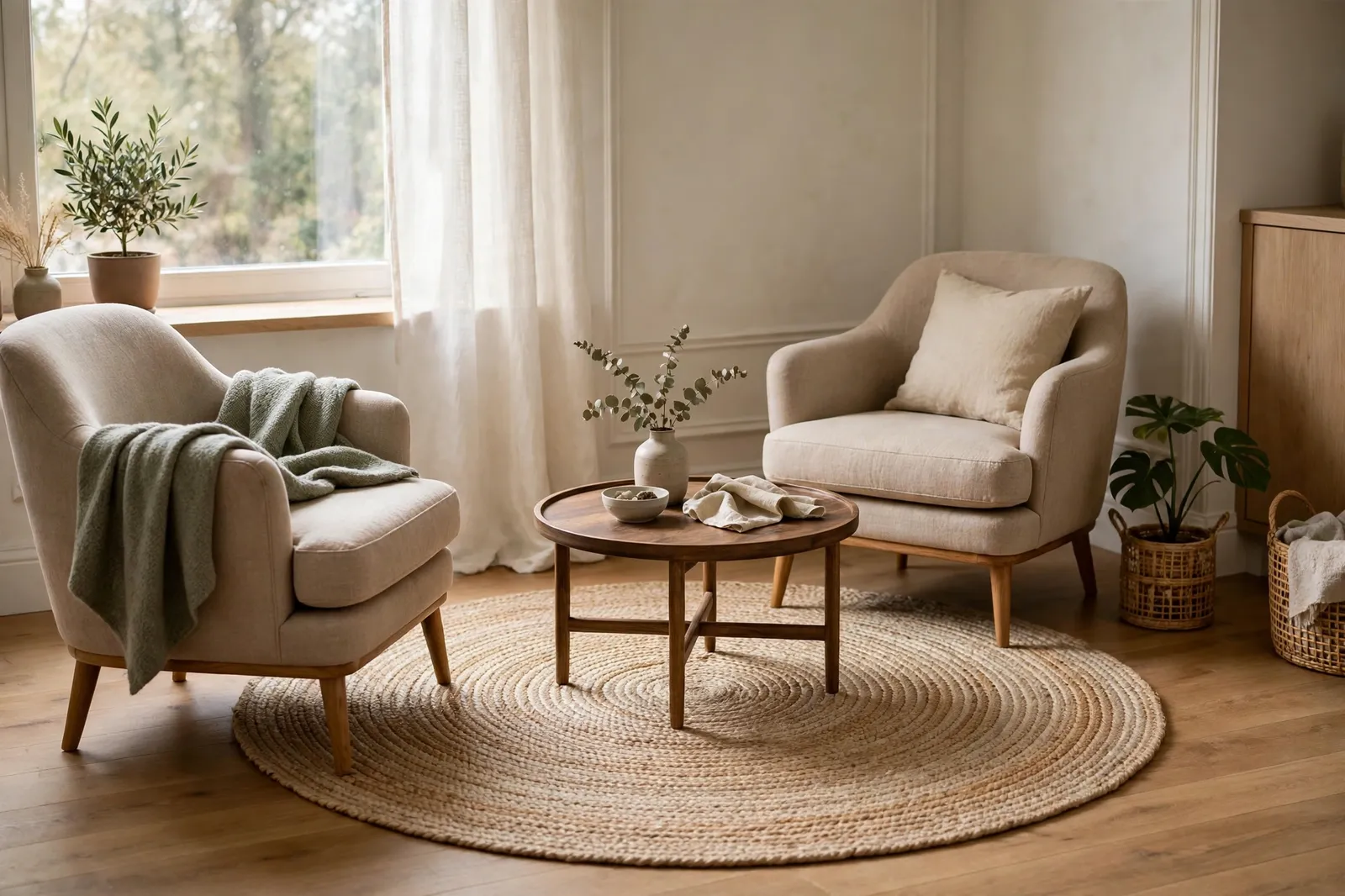
Round rugs suit round or small, curved setups — a pair of armchairs with a small round table, or a round coffee table in a cozy corner. They soften a room full of straight lines and can look lovely under a round table. Just be careful with size: a round rug under a rectangular sofa often looks off, because the corners of the seating group stick out past the rug’s curve. When in doubt, stick with rectangular, and save the round rug for a smaller, rounder grouping.
8. Leave a Floor Border and Avoid the Common Mistakes
A rug should not run wall to wall unless it is actually carpet. Leaving a border of bare floor around the rug — 12 to 18 inches in a normal room, a little less in a small one — frames the rug and shows off your floor. Pushing a rug right up against the wall, or under a baseboard, makes it look like it was cut to fit, and it usually was not. The border is what makes a rug look chosen rather than squeezed in.
The most common mistakes are easy to avoid once you know them. The first is the “floating rug” — a rug so small that no furniture touches it, sitting alone in the middle of the floor. The second is the “postage stamp” — a rug under just the coffee table, with all the seating legs off it. The third is buying for the room’s size instead of the seating group’s size. Measure the seating group, not the whole room, and you will dodge all three.
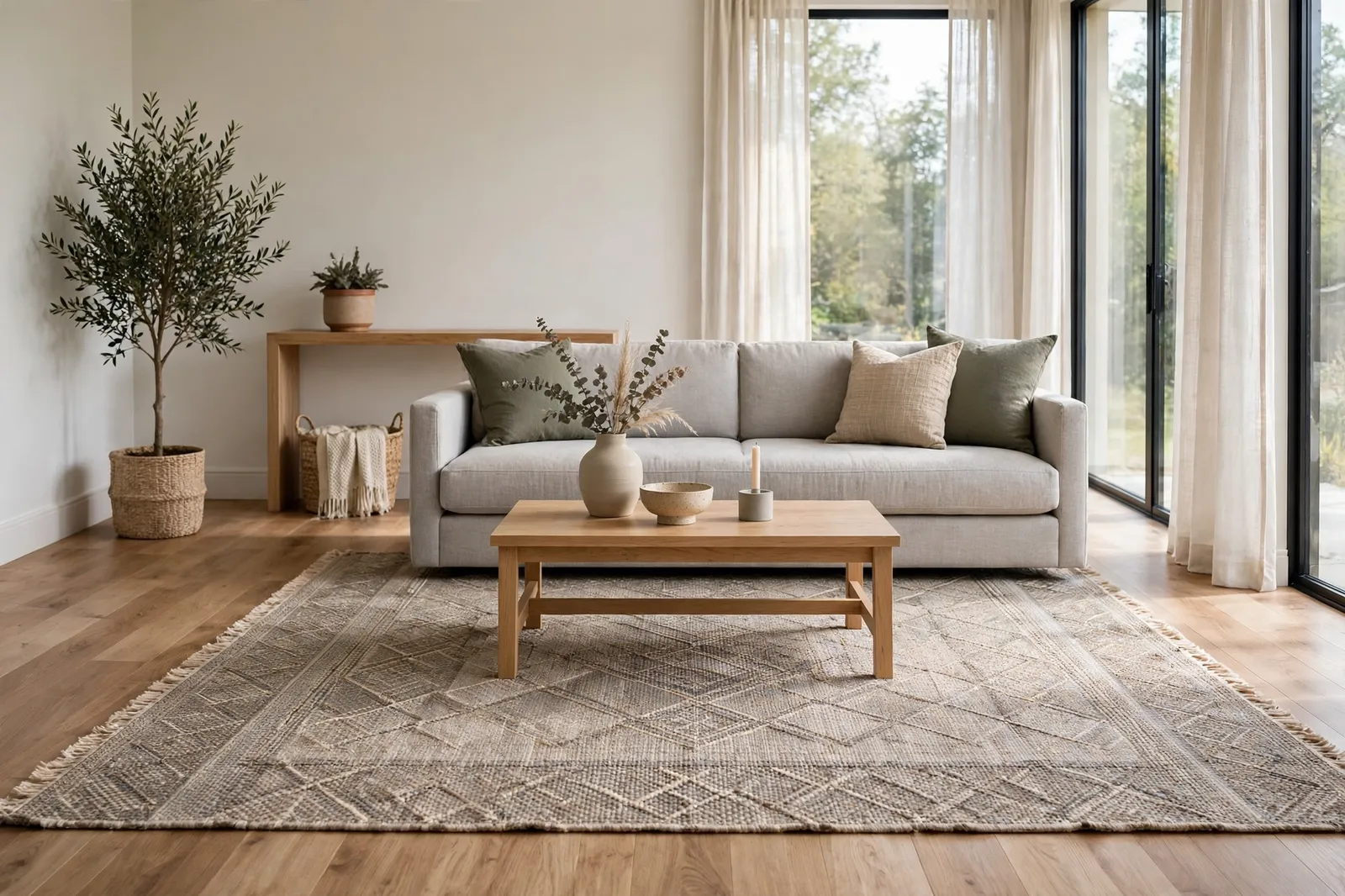
9. Layering Rugs and Shopping on a Budget
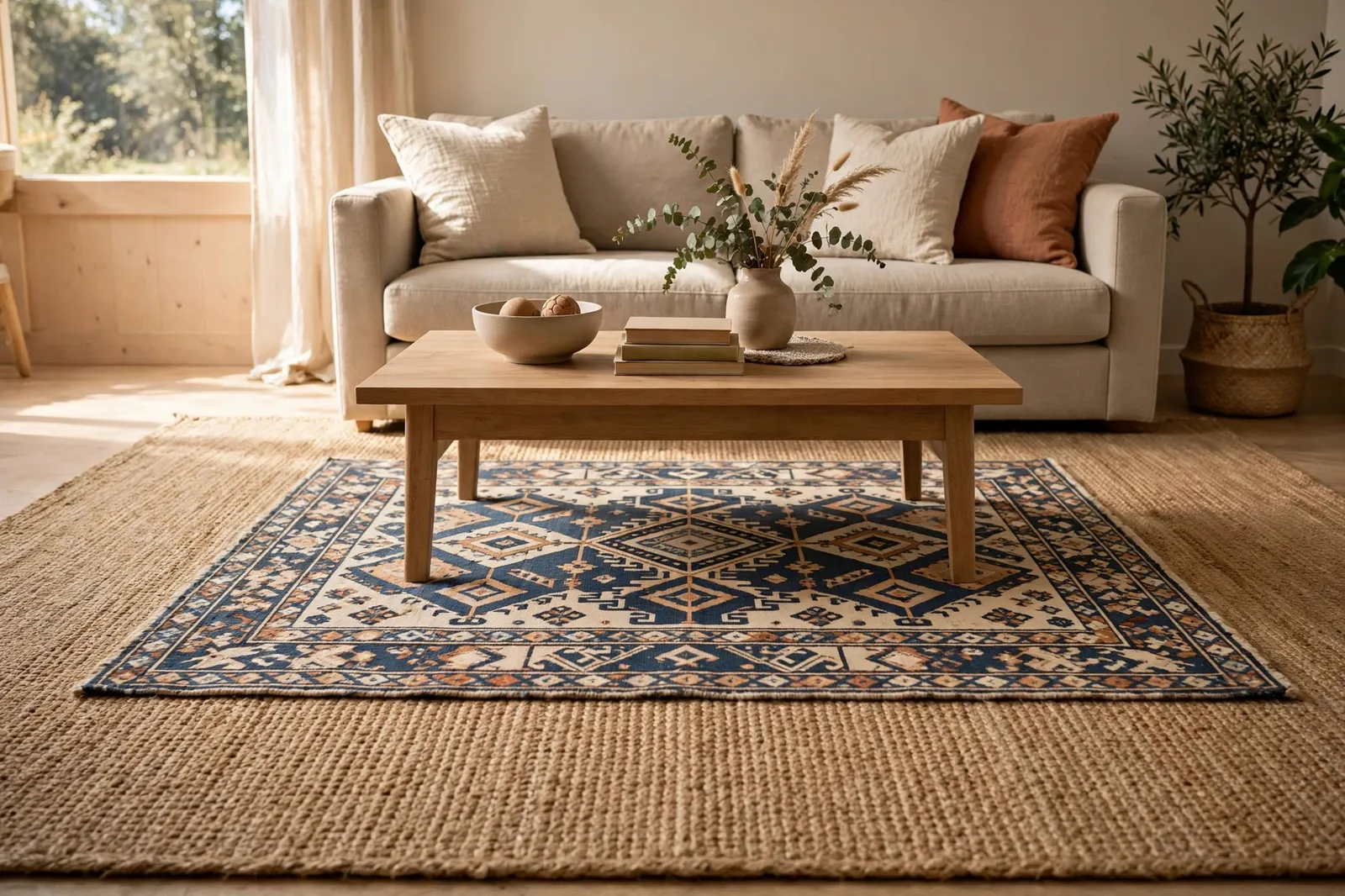
If you love a small, beautiful rug that is too small for the seating area on its own, layer it. Put a larger, plain rug underneath — jute, sisal, or a simple flatweave — and lay the smaller patterned rug on top, centered on the coffee table. The bottom rug gives you the size you need, and the top rug gives you the pattern you love. Keep the top rug at least a foot smaller on each side than the bottom one, so the layering reads clearly.
Budget-wise, size usually matters more than material. A well-sized rug in a simple, durable material will look better than a pricey rug in the wrong size. Check the return policy before you buy, especially online, and measure again when the rug arrives — sizes can vary slightly by brand. If money is tight, start with the seating-area rug and add smaller rugs elsewhere later. One right-sized rug beats three wrong-sized ones, every time.
Frequently Asked Questions
What is the most common living room rug size?
An 8×10 rug is the most common choice for a standard living room with a three-seat sofa and a coffee table. It is big enough to catch the front legs of the sofa and chairs in most setups. Smaller rooms often do well with a 6×9, and larger rooms or sectionals usually need a 9×12.
Should all furniture legs sit on the rug?
Not always. All four legs on the rug looks great in a large room with a big rug, but it is not required. The front-legs rule — front legs on, back legs off — works in most living rooms and needs a smaller rug. What looks wrong is no legs on the rug at all, with the rug floating alone in the middle of the floor.
How much floor should show around a rug?
Aim for a border of about 12 to 18 inches of bare floor between the rug’s edge and the wall in a normal-sized room. In a small room, 8 to 12 inches can work. The border frames the rug and keeps it from looking squeezed against the wall, so avoid pushing the rug right up to the baseboards.
Can I use a small rug in a big living room?
A small rug on its own usually looks lost in a big room, because it cannot anchor the seating group. If you already have a small rug you love, layer it over a larger plain rug to get the size you need. Otherwise, measure the seating area and go with a rug big enough to catch the front legs of the sofa and chairs.
Related ideas
If you are sizing a rug for a room you are still putting together, it helps to sort the layout first. These living room decorating ideas give you the big picture, and this guide to arranging living room furniture shows how to place your sofa and chairs so the rug can anchor them properly. For a softer, warmer room once the rug is down, these cozy living room ideas show how texture and lighting finish the look. Also explore small living room decorating ideas, living room wall decor ideas, coffee table styling ideas, living room curtain ideas, and neutral living room ideas.