How to Decorate a Living Room With a Sectional Sofa
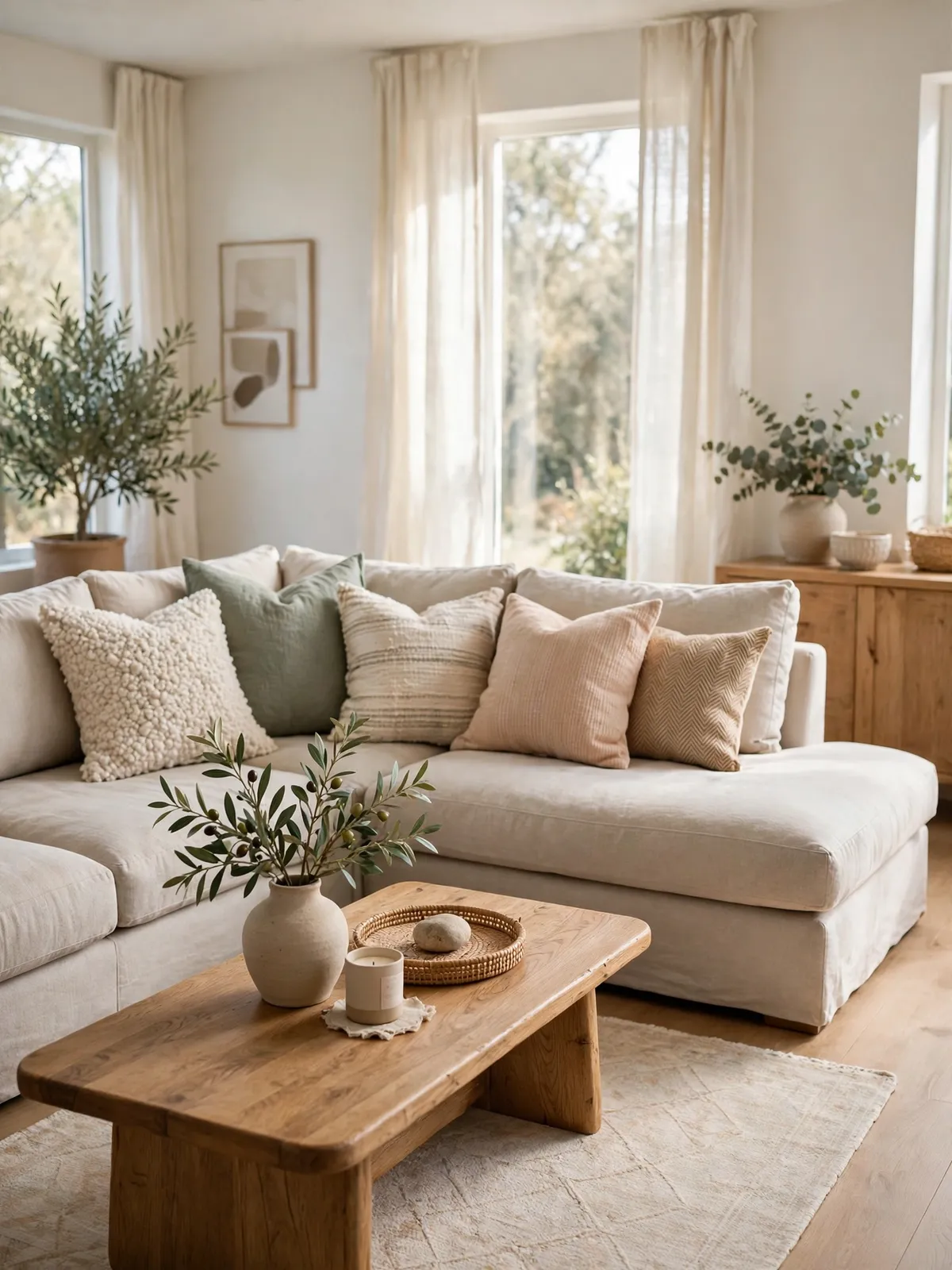
A sectional sofa can be the best seat in the house or the biggest problem in the room, and the difference usually comes down to how you place it. Done right, it gives everyone a comfortable spot, anchors the whole living room, and makes the space feel welcoming. Done wrong, it blocks walkways, crowds the TV, and makes the room feel smaller than it is.
The good news is that sectionals are very forgiving once you get the basics right. Measure first, pick a layout that fits how you actually live, and add the rug, table, and lighting around it. These ideas will help you style a sectional so the room feels balanced, comfortable, and easy to move around in.
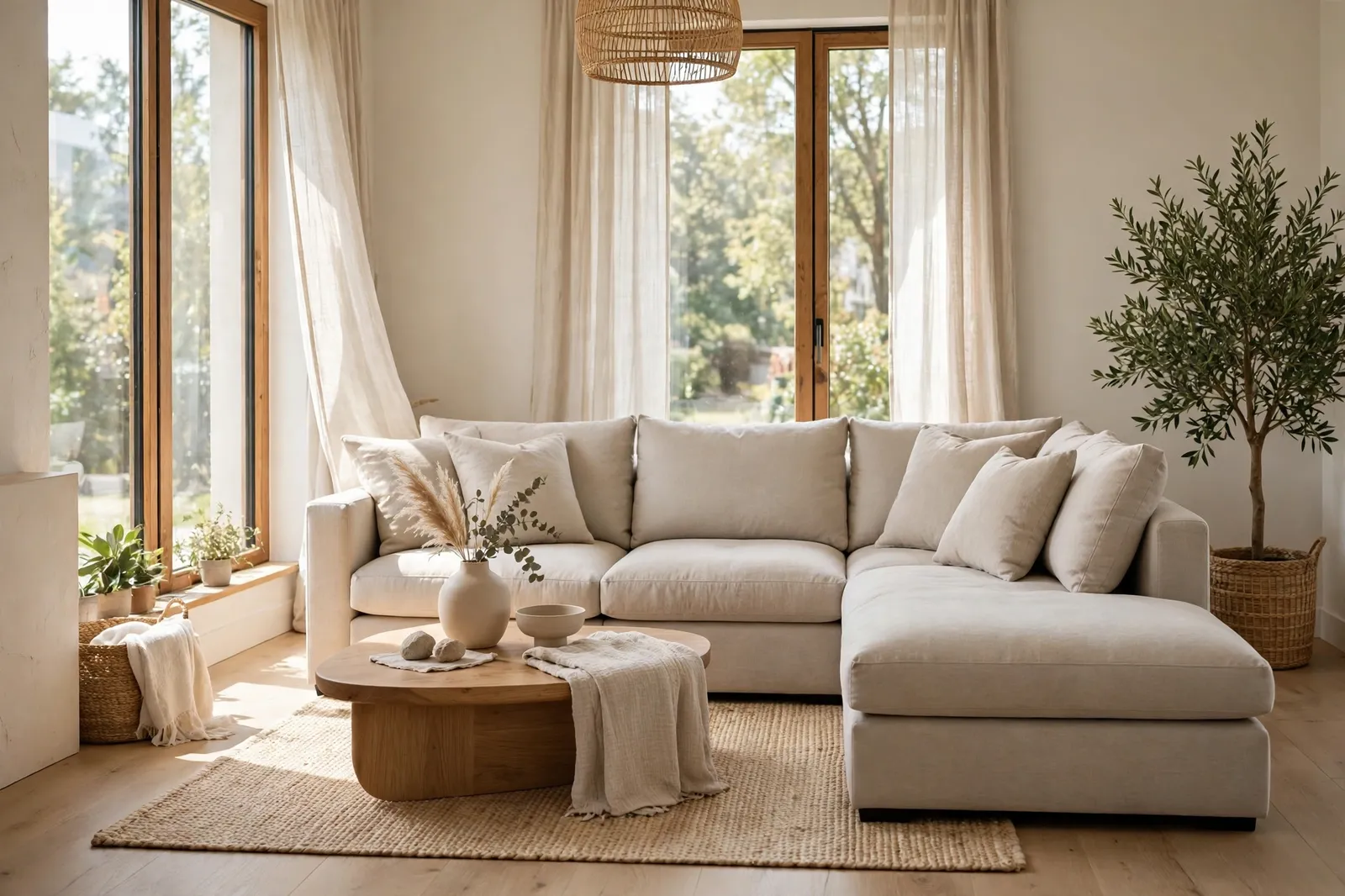
1. Pick the Right Sectional Shape for Your Room
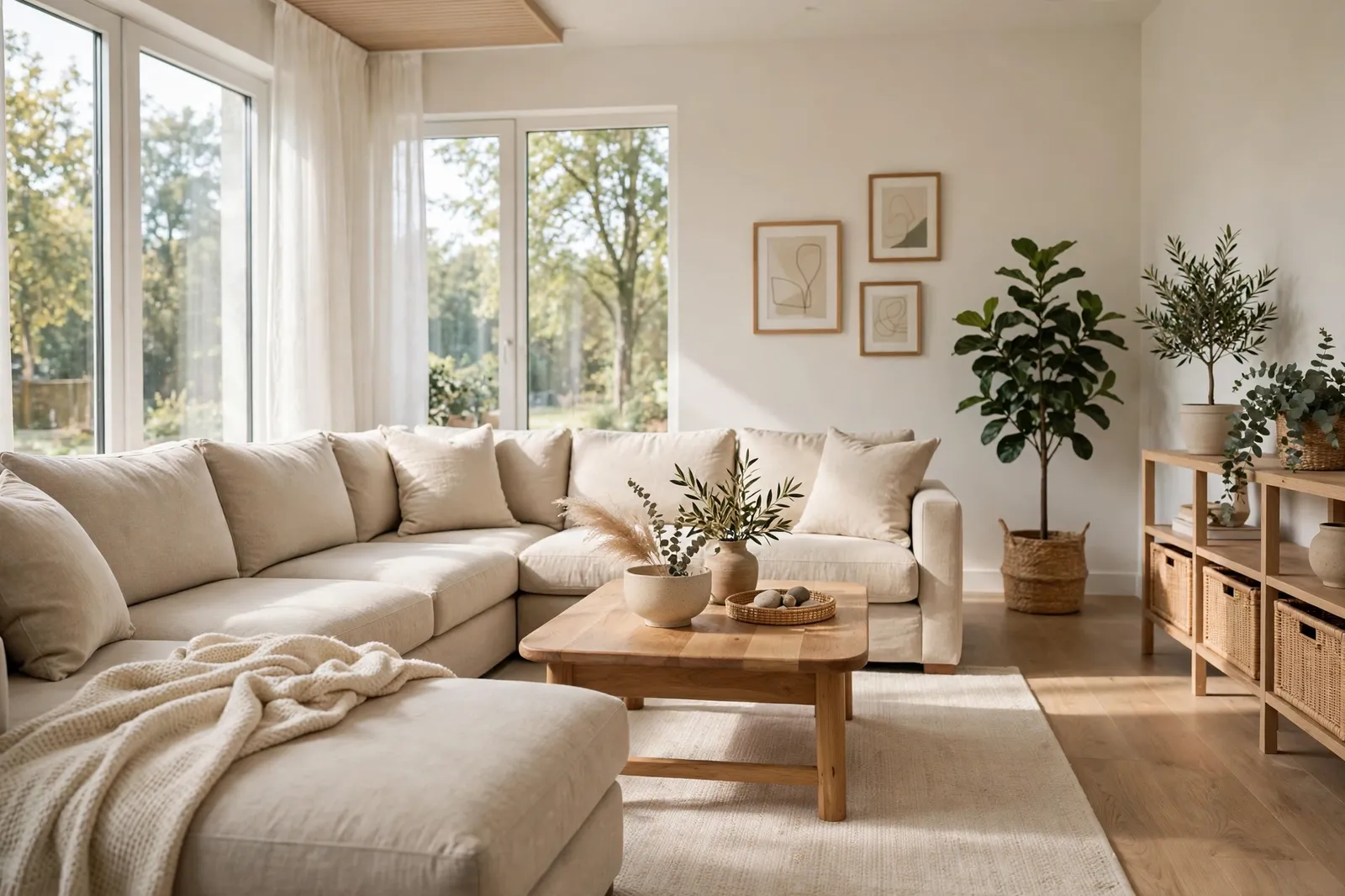
Sectionals come in a few main shapes, and the right one depends on your room more than on trends. An L-shaped sectional works in most rooms and tucks neatly into a corner. A chaise sectional gives you a place to stretch out without taking up as much floor space. A U-shaped sectional seats a crowd, but it needs a big room, or it will swallow the whole space.
Think about how you actually use the room before you buy. If you host movie nights, a chaise or a deep L-shape makes sense. If the room is also a walk-through to another part of the house, a smaller L-shape keeps the path open. Measure your doorways too — a sectional that cannot get into the room is no bargain, however good it looked in the store.
2. Measure First, Then Place the Sectional
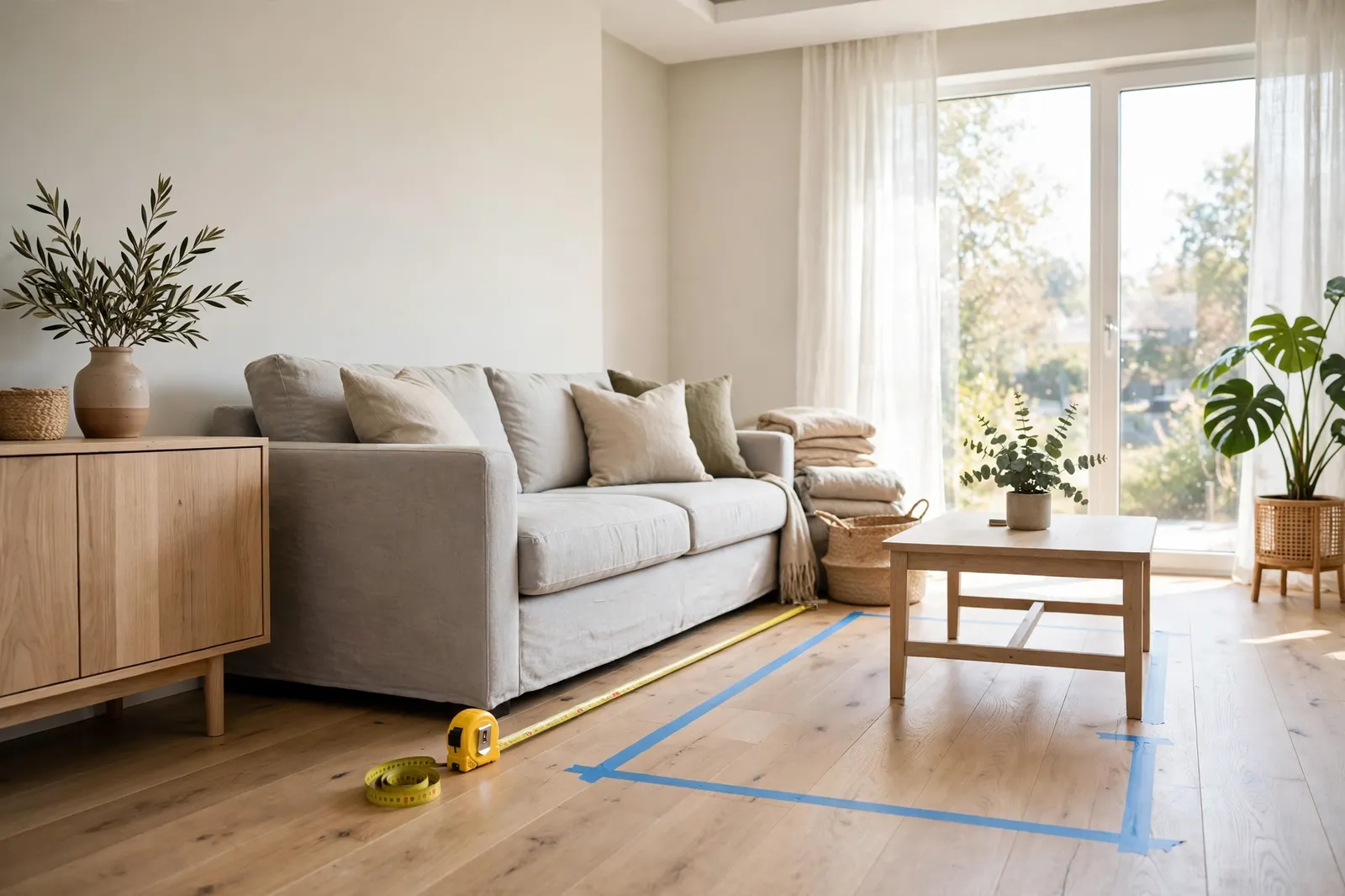
Before the sectional arrives, measure the wall it will sit against, the distance to the TV or fireplace, and the width of every walkway. A good rule is to leave at least 30 inches for the main paths through the room, and about 18 inches between the sofa and the coffee table so you can sit down and stand up without squeezing past.
Tape the outline on the floor if you can. Painter’s tape on the carpet or floor shows you exactly how much space the sectional will take, and it is much easier to move tape than furniture. Check that doors can still open fully and that vents are not blocked. A few minutes with a tape measure saves you from living with a sofa that dominates the room.
3. Anchor the Sectional With the Right Rug
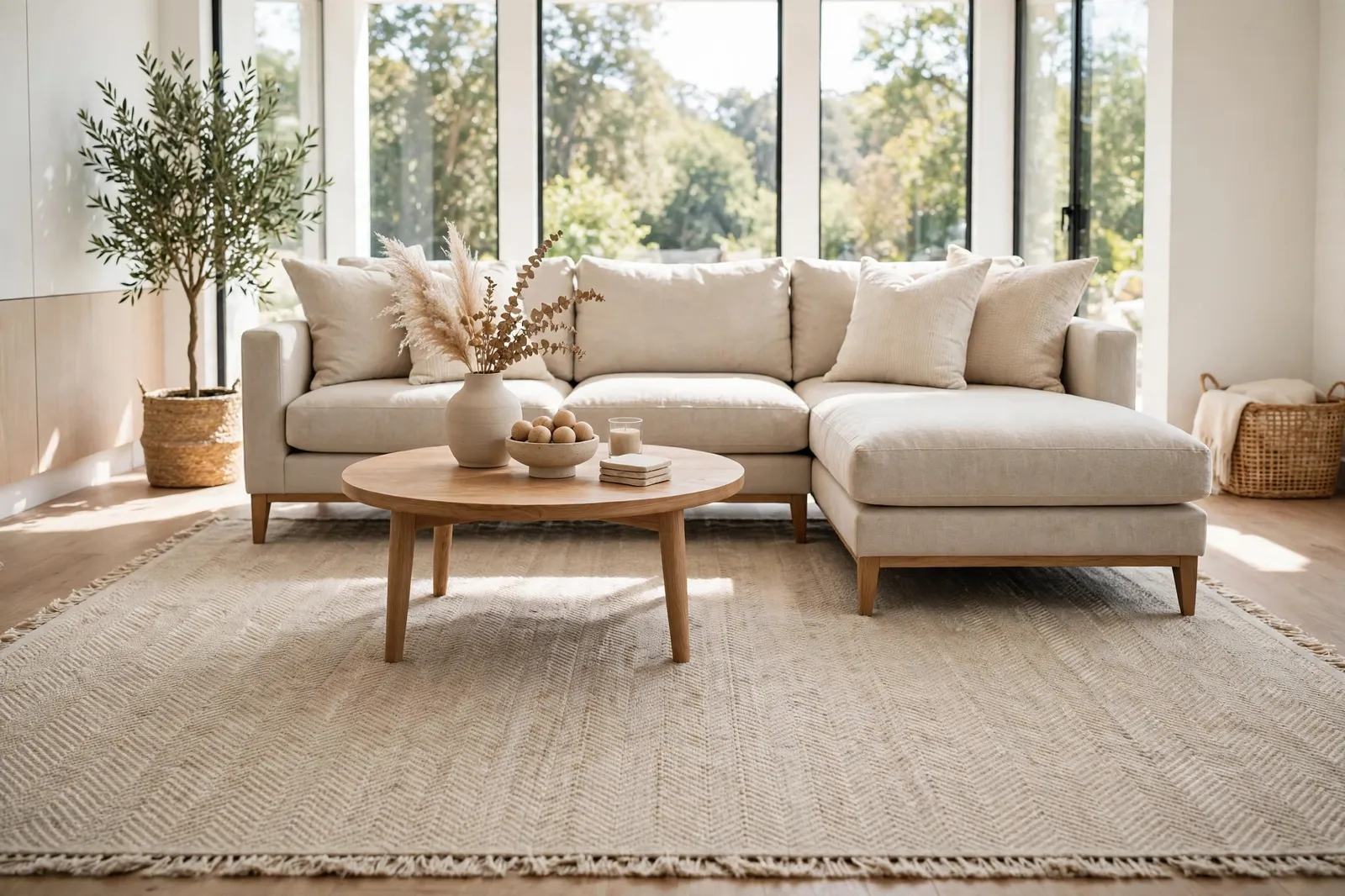
A rug is what turns a big sectional from a floating piece of furniture into a proper seating area. The rug should be big enough that the front legs of the sectional sit on it, and ideally the front legs of any chairs too. A rug that is too small makes even a beautiful sectional look like it is stranded in the middle of the floor.
If your sectional has a chaise, the rug should extend under the chaise as well, not stop halfway. A plain or subtly patterned rug usually works best, since the sectional itself is already a large visual block. Light, washable rugs are a smart pick if you have kids or pets, because a sectional gets a lot of daily use and spills happen.
4. Balance the Sectional With Other Seating
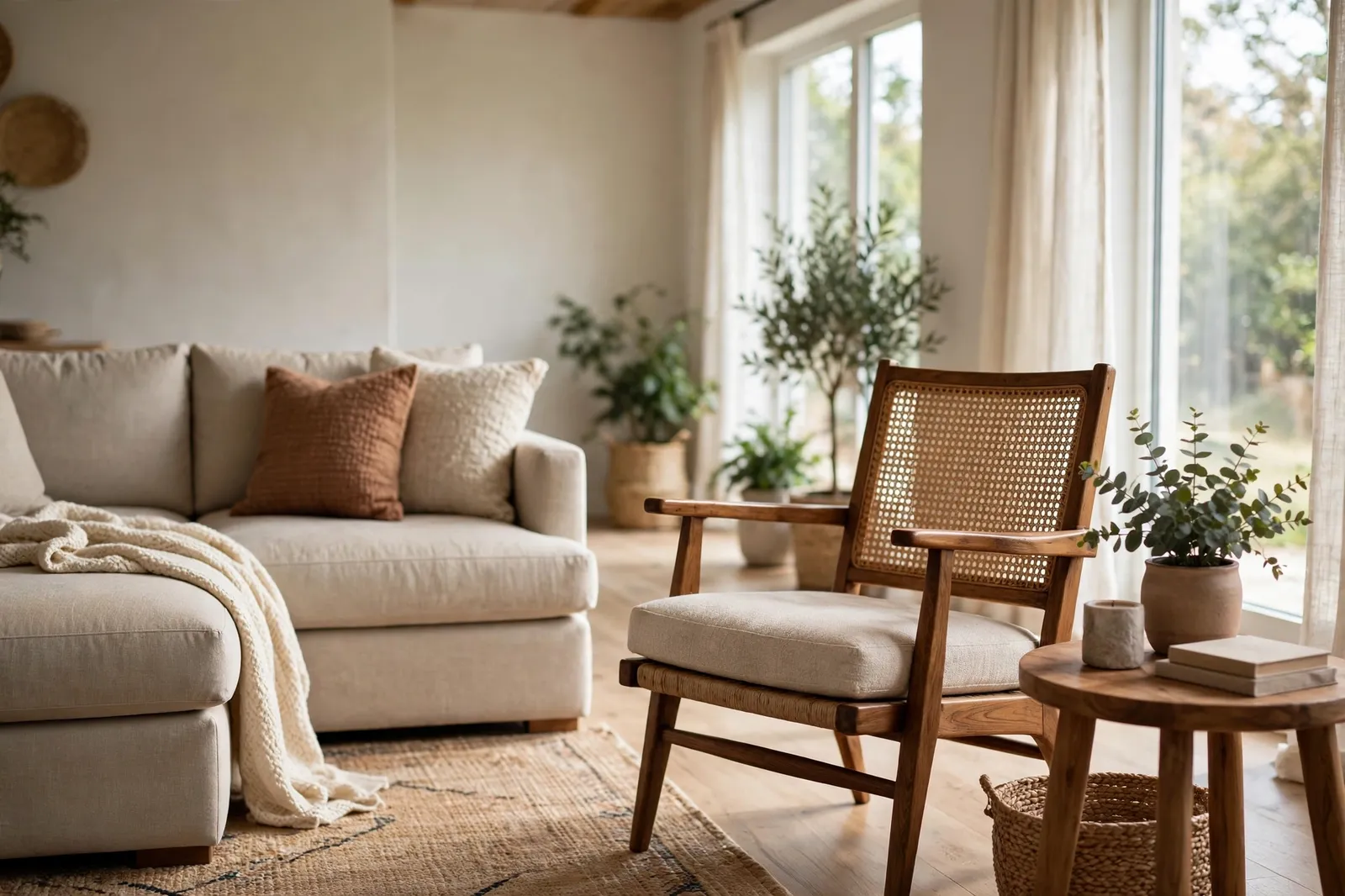
A sectional alone can make a room feel one-sided, especially a large one. One accent chair across from the sectional, or a pair of small chairs, balances the layout and gives guests a place to sit without everyone lining up in a row. The chairs do not need to match the sofa — in fact, a different fabric or a wood accent chair often looks better.
Keep the scale in mind. A big, deep sectional paired with tiny, delicate chairs looks off, and the same goes the other way around. Choose chairs that are close in seat height to the sectional so conversation feels natural. If space is tight, a single chair and a small side table are enough; you do not need to fill every corner.
5. Choose a Coffee Table That Fits the Shape
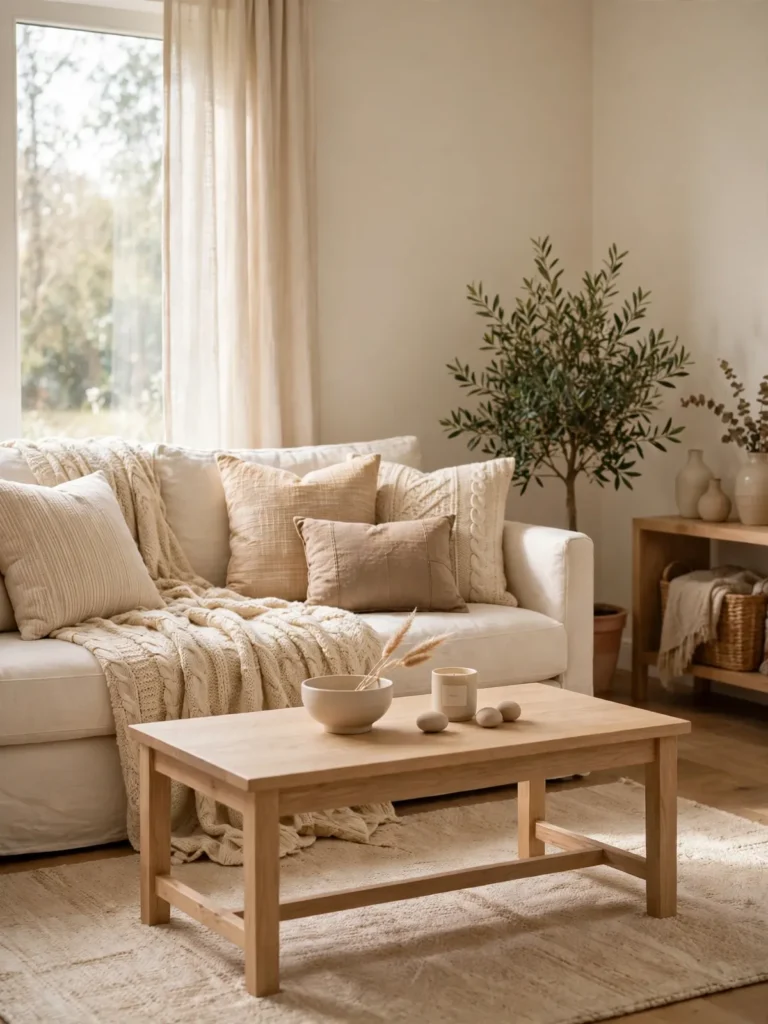
The coffee table should suit the shape of your sectional. A rectangular table works well with an L-shaped sectional, while a round table softens the corners of a chaise layout and is easier to walk around in a tight room. An ottoman can work too, and it doubles as extra seating when you have guests.
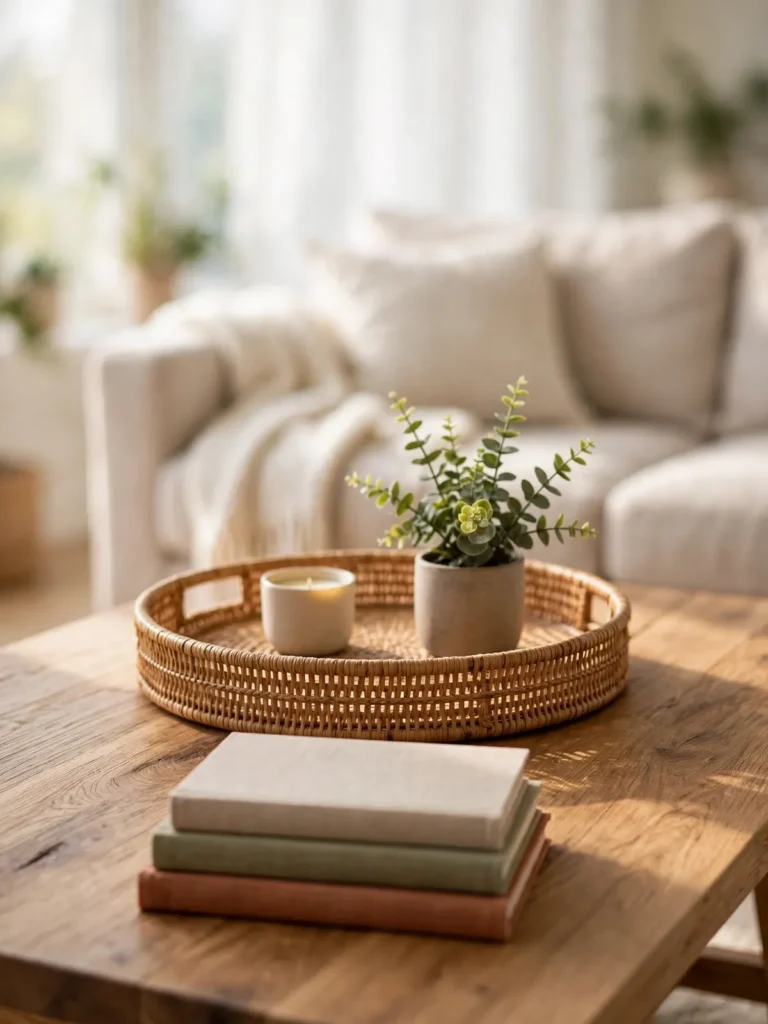
Size matters more than style here. The table should be about two-thirds the length of the sofa section it faces, and low enough that it sits at or just below seat height. Leave that 18-inch gap between the table and the sofa so you can reach your drink without leaning too far. If the sectional is very deep, a slightly larger table keeps the proportions right.
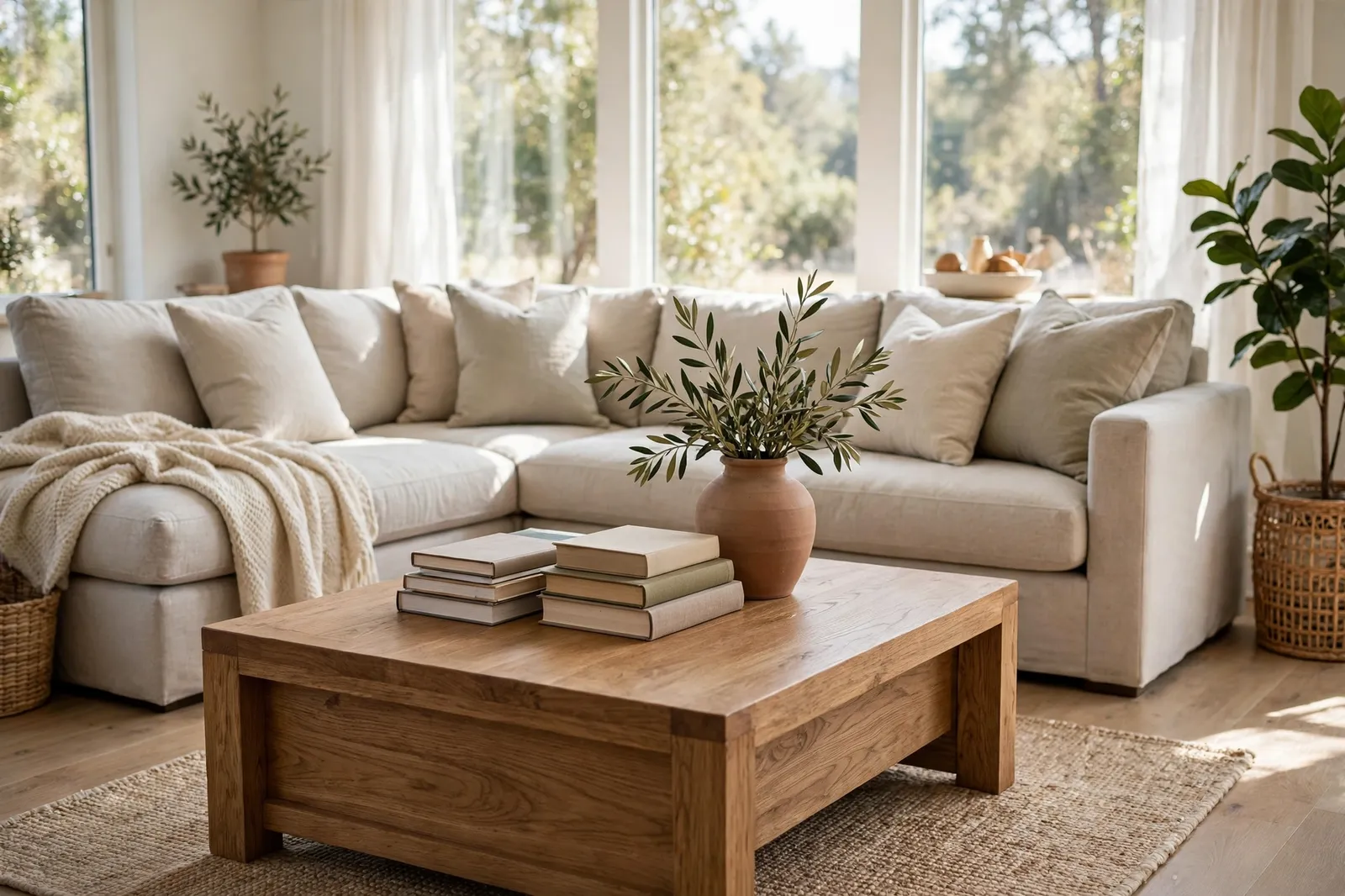
6. Layer Pillows and Throws Without Overdoing It
Pillows are the easiest way to make a sectional look finished, but a sectional already has a lot of surface, so restraint helps. Five to seven pillows on a standard L-shaped sectional is usually plenty — enough to add color and comfort, but not so many that you have to clear them off before you can sit down.
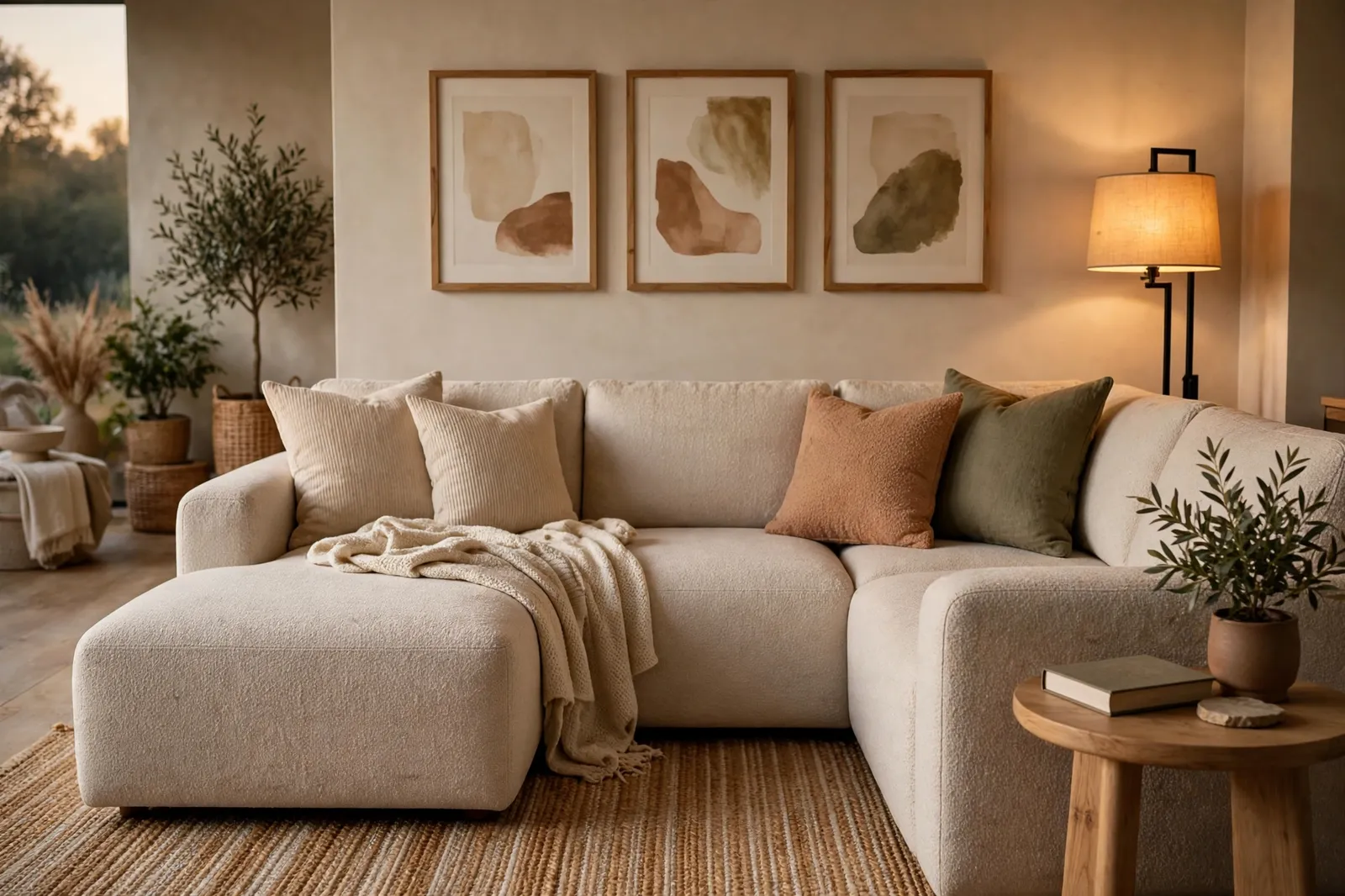
Mix sizes and textures rather than buying a matching set: a couple of larger square pillows, a lumbar pillow, and one textured throw. Pick one or two colors from the rest of the room and repeat them in the pillows so the sectional ties into the space. A throw draped over the chaise arm or folded on the corner seat adds warmth without adding clutter.
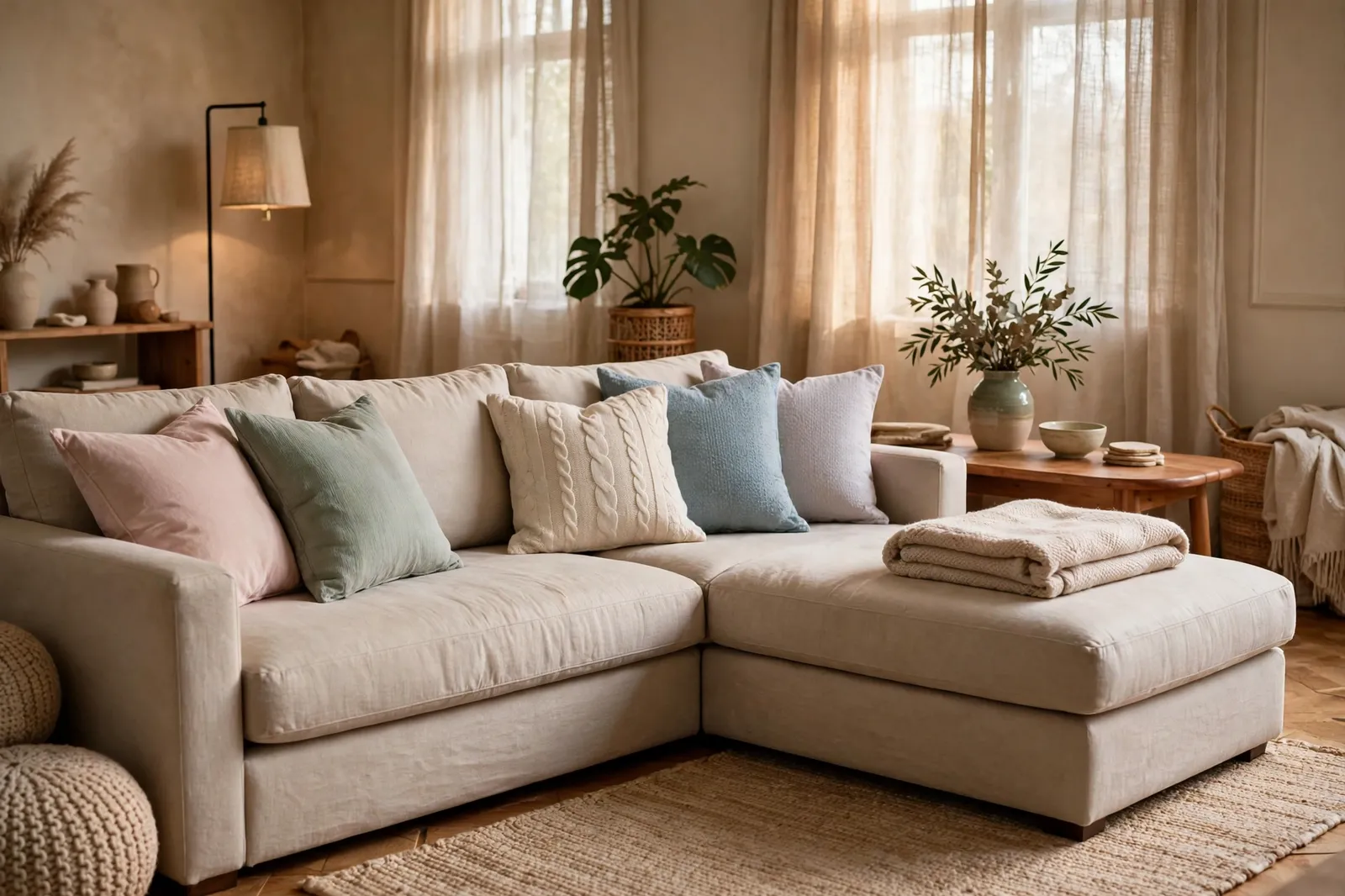
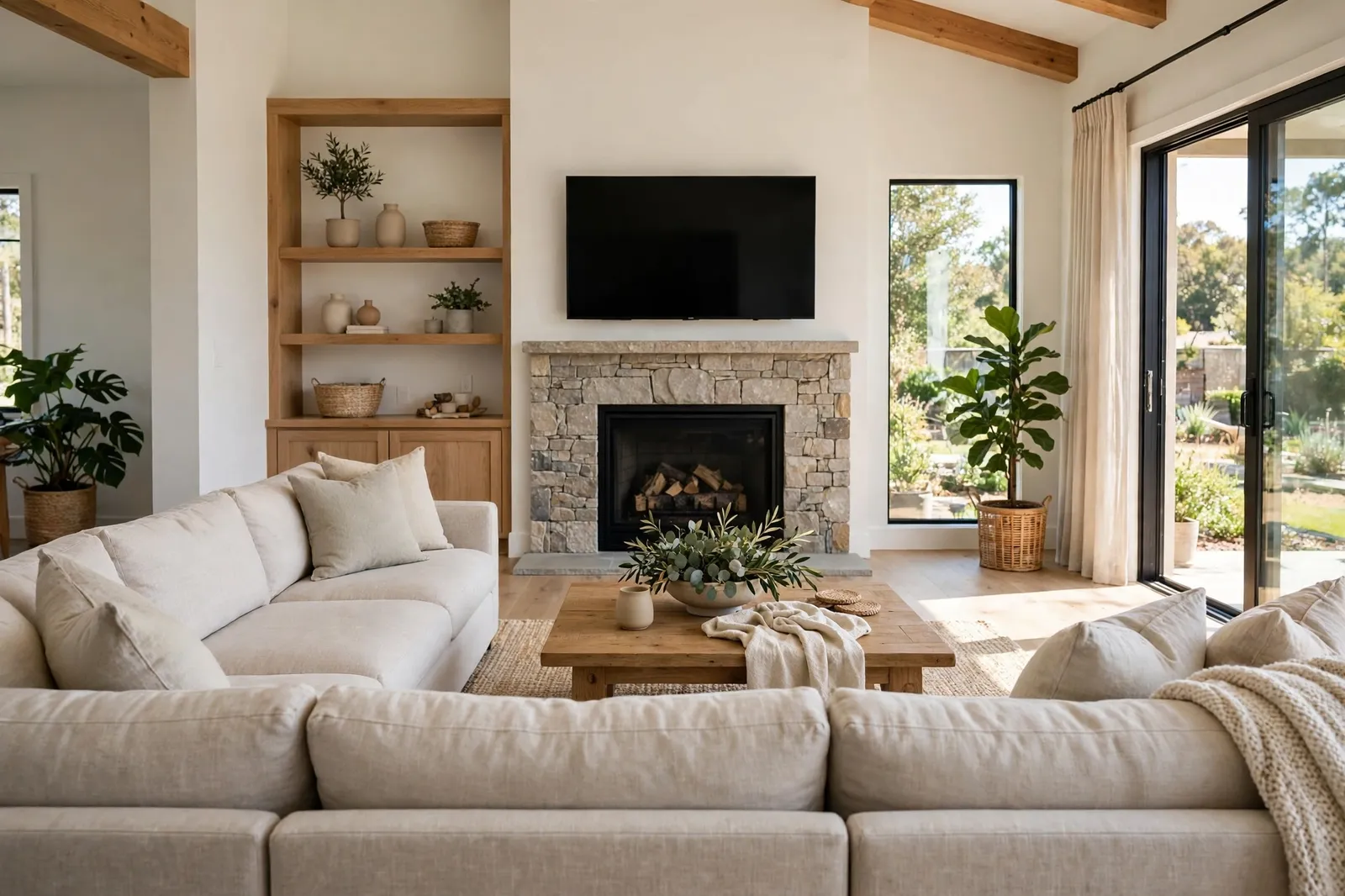
7. Work Around the TV or Fireplace
Most living rooms have a focal point, usually a TV or a fireplace, and the sectional should face it without making viewing uncomfortable. The TV should be roughly at eye level when you are seated, and far enough away that you are not craning your neck — about 1.5 to 2.5 times the screen’s diagonal size is a good starting point.
If the sectional faces a fireplace, leave enough room in front of it for safety and for the hearth. When the TV and fireplace are on different walls, pick the one you use most and angle the sectional toward it, then place a chair facing the other. A sectional pushed flat against a wall facing a TV on the opposite wall is the simplest layout, and it usually works best in a rectangular room.
8. Keep Walkways Open and the Room Easy to Move Through
A sectional can easily block the natural path through a room, especially if the chaise sticks out into a doorway route. Walk the routes yourself after placing it: from the front door to the kitchen, from the sofa to the bathroom, and around the coffee table. If you have to sidestep furniture, the layout needs adjusting.
Floating the sectional away from the wall can actually help, if you have the space. A sofa table behind it creates a boundary and gives you a spot for a lamp or books, while keeping the walkway behind it clear. In smaller rooms, pushing the long side against the wall and keeping the chaise on the side away from the main path usually keeps things flowing.
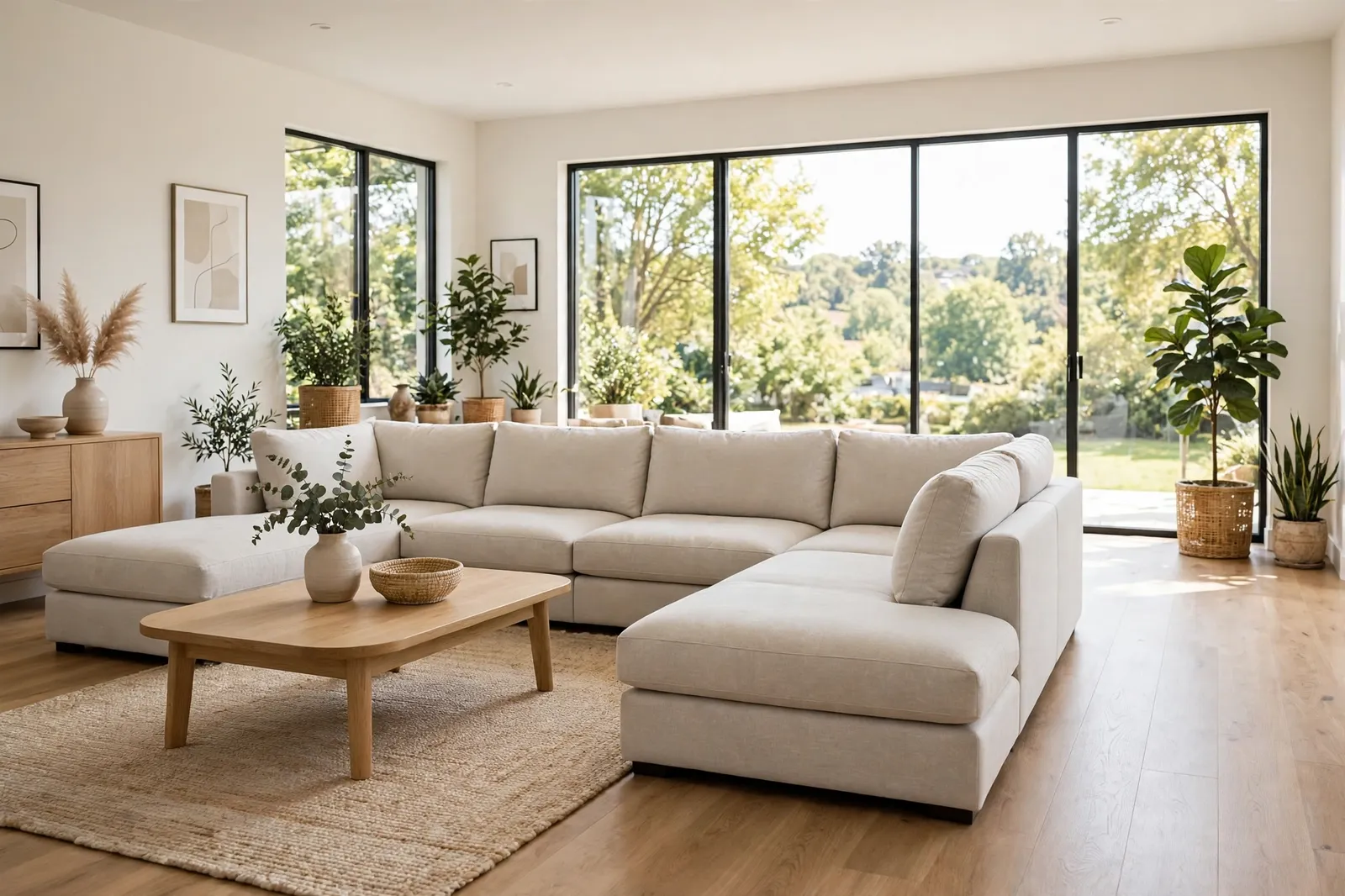
9. Make It Look Styled, Not Just Big
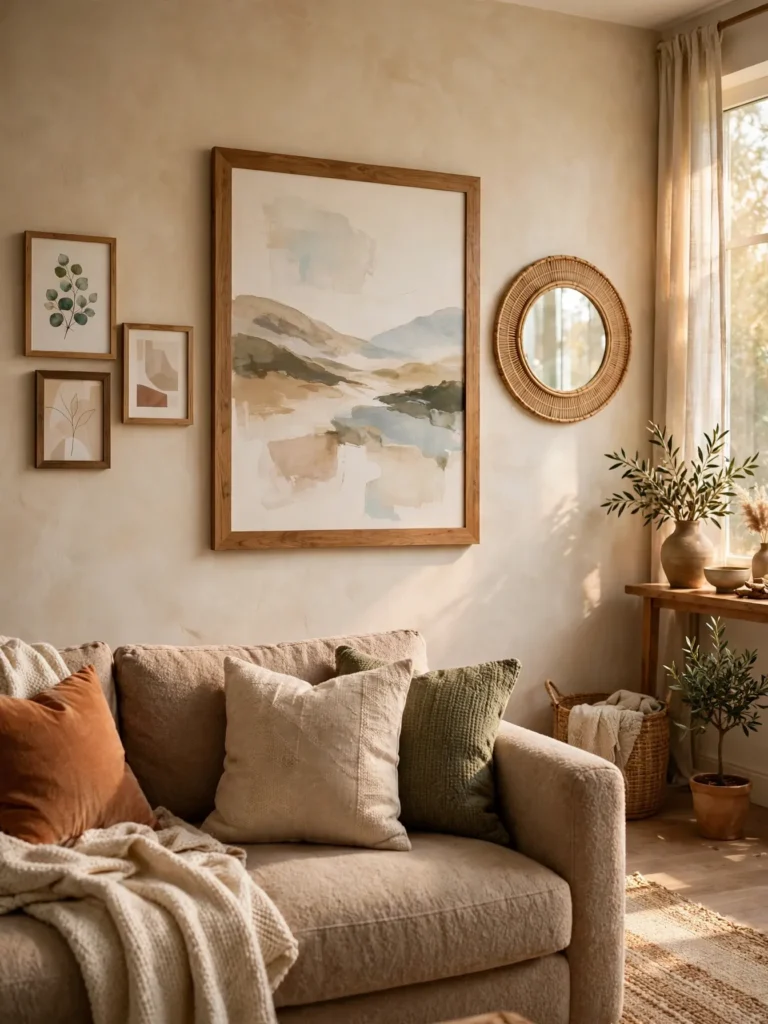
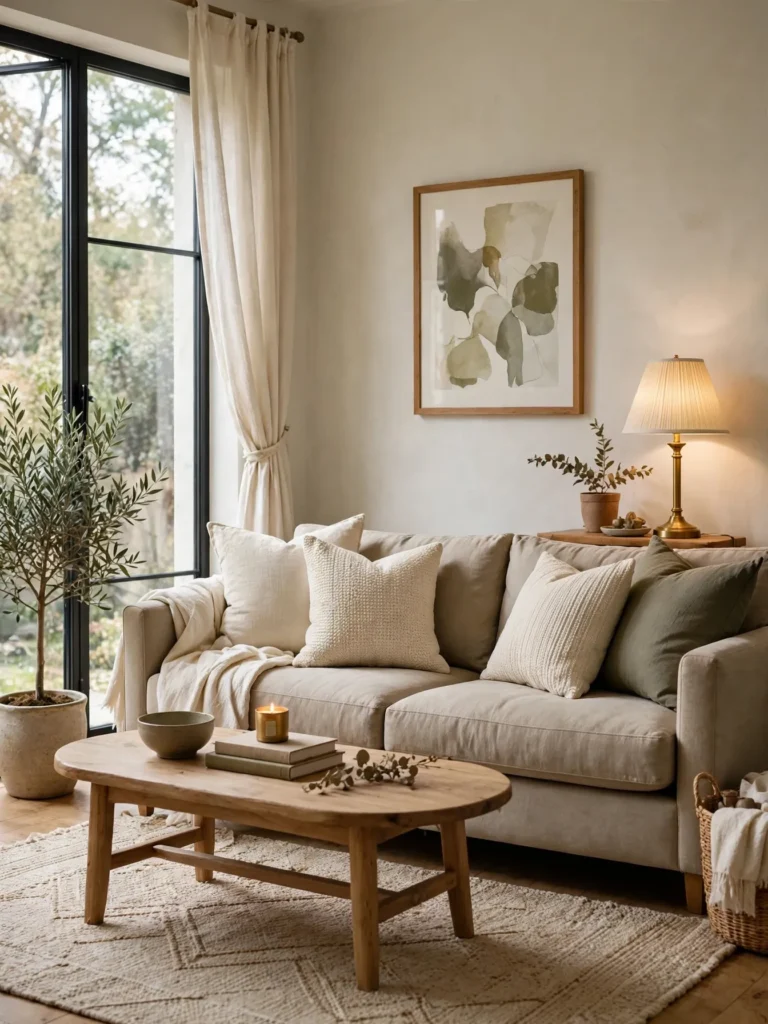
A sectional is a big piece, so the finishing touches matter. A floor lamp behind one end, a side table with a book or a plant at the other, and a piece of art above the sofa all break up the long lines and make the seating area feel intentional. Without these, a sectional can look like a big beige block in the middle of the room.
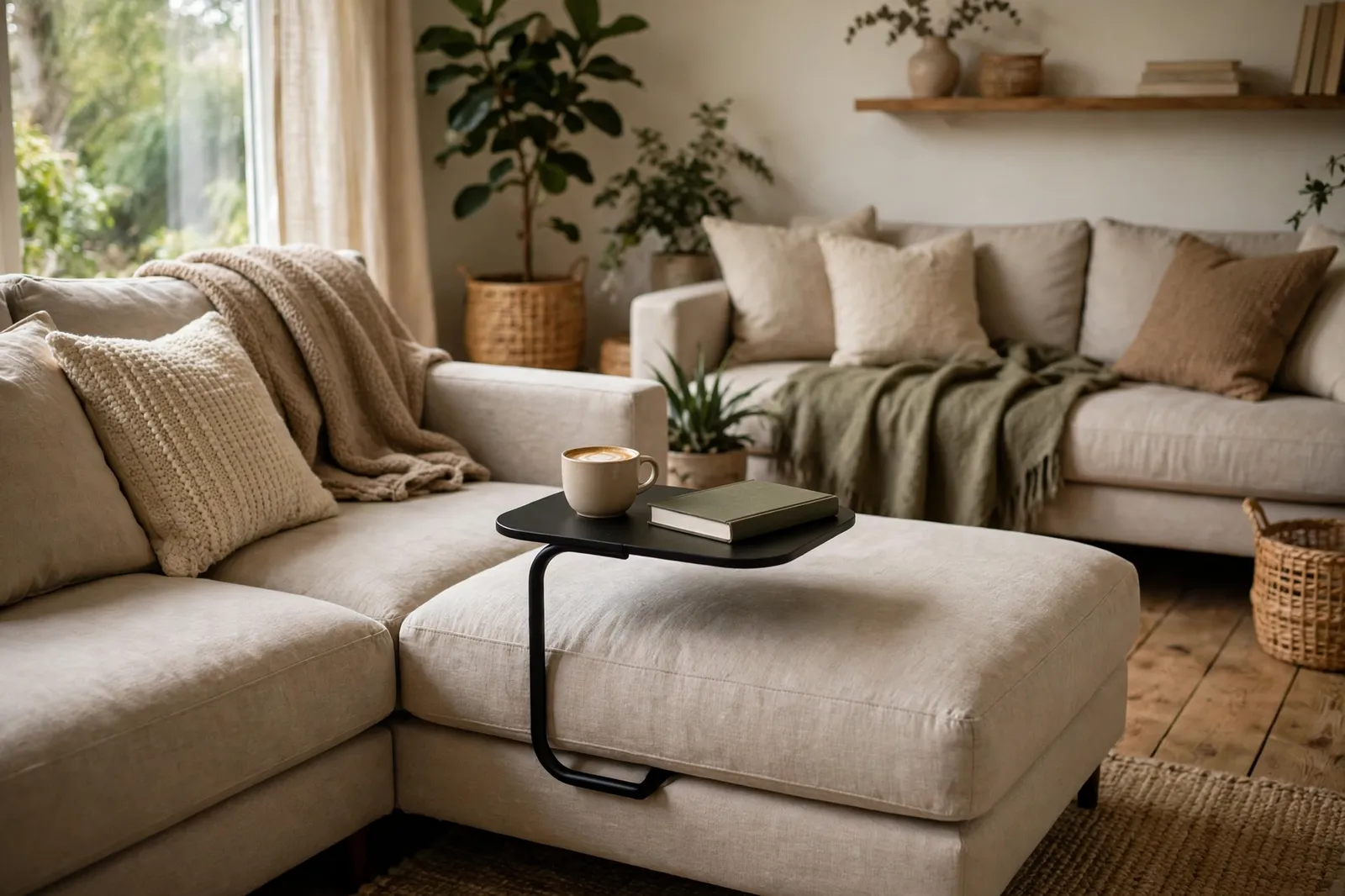
End tables are especially useful with sectionals, because the middle seats are far from any surface. A small C-table that slides over the seat works well for the chaise end. Keep surfaces mostly clear — one or two items per table — so the room feels calm rather than crowded. A sectional styled this way feels like a room, not just a sofa.
Frequently Asked Questions
Should a sectional go against the wall or float in the room?
Either can work. Against the wall is best in a small room, because it frees up floor space. Floating works in a larger room, especially if you put a sofa table behind it, and it can define the seating area in an open-plan space. Just make sure walkways stay at least 30 inches wide either way.
What size rug goes with a sectional sofa?
Pick a rug large enough for the front legs of the sectional to sit on it, and for the chaise too if you have one. In most living rooms that means an 8×10 or 9×12 rug. A rug that only sits in front of the sofa, with no legs on it, will look too small no matter how nice the pattern is.
How many pillows should I put on a sectional?
Five to seven is a good range for a standard L-shaped sectional. Use a mix of sizes — larger squares at the corners, a lumbar pillow in the middle — and keep the colors to one or two from the rest of the room. More than that, and you will spend more time moving pillows than sitting on them.
Can a sectional work in a small living room?
Yes, if you pick the right size. A compact L-shape or a chaise sectional often seats more people than a sofa and two chairs while using less floor space. Measure carefully, choose a low-profile design with slim arms, and keep the rug and coffee table in proportion so the room does not feel crowded.

Related ideas
If you are setting up the rest of the room around your sectional, these guides go well with this one. Start with these living room decorating ideas for the big picture, then see how to choose the right living room rug size so your rug anchors the sectional properly. For a softer finish on top of the new layout, these neutral living room ideas show how warm tones and texture keep a big sofa from looking heavy. Also explore small living room decorating ideas, living room wall decor ideas, coffee table styling ideas, living room curtain ideas, cozy living room ideas, and how to arrange living room furniture.